
Last updated October 17, 2026
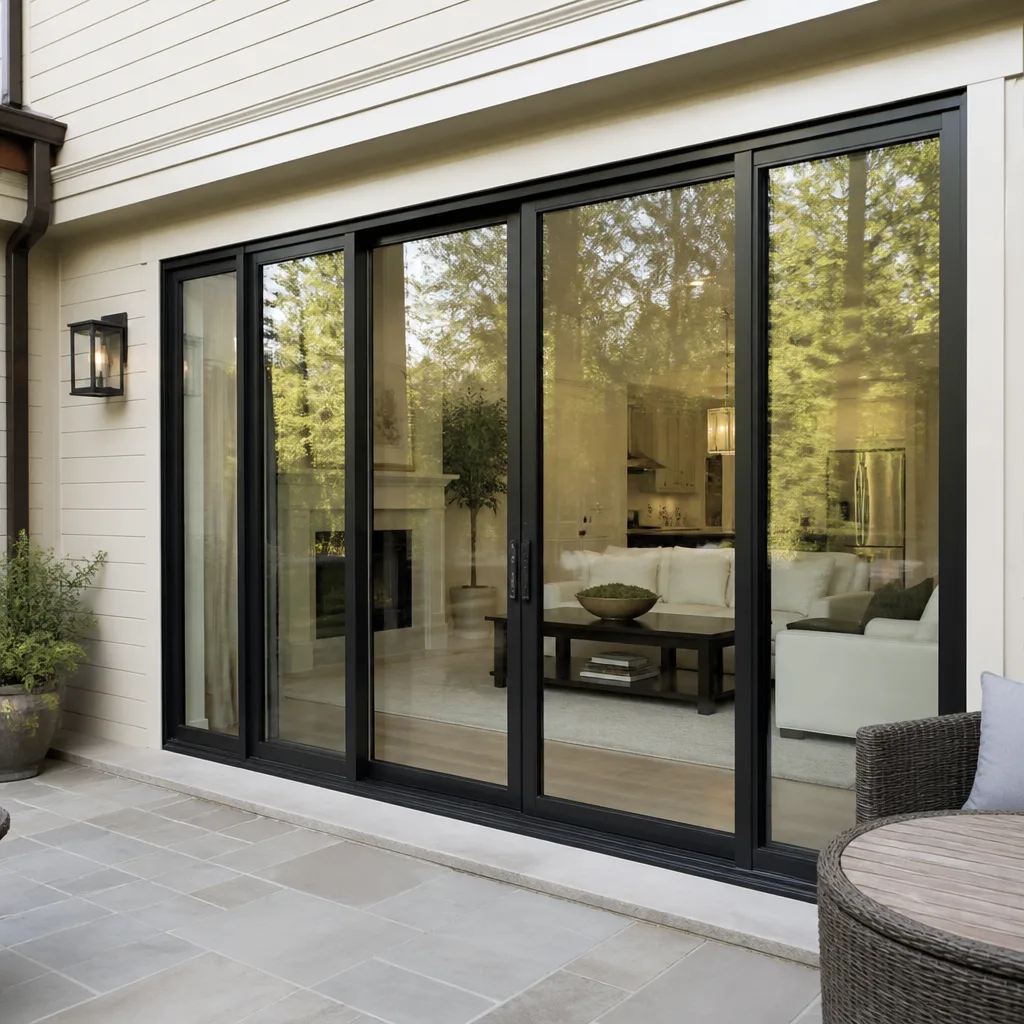 Sliding glass doors
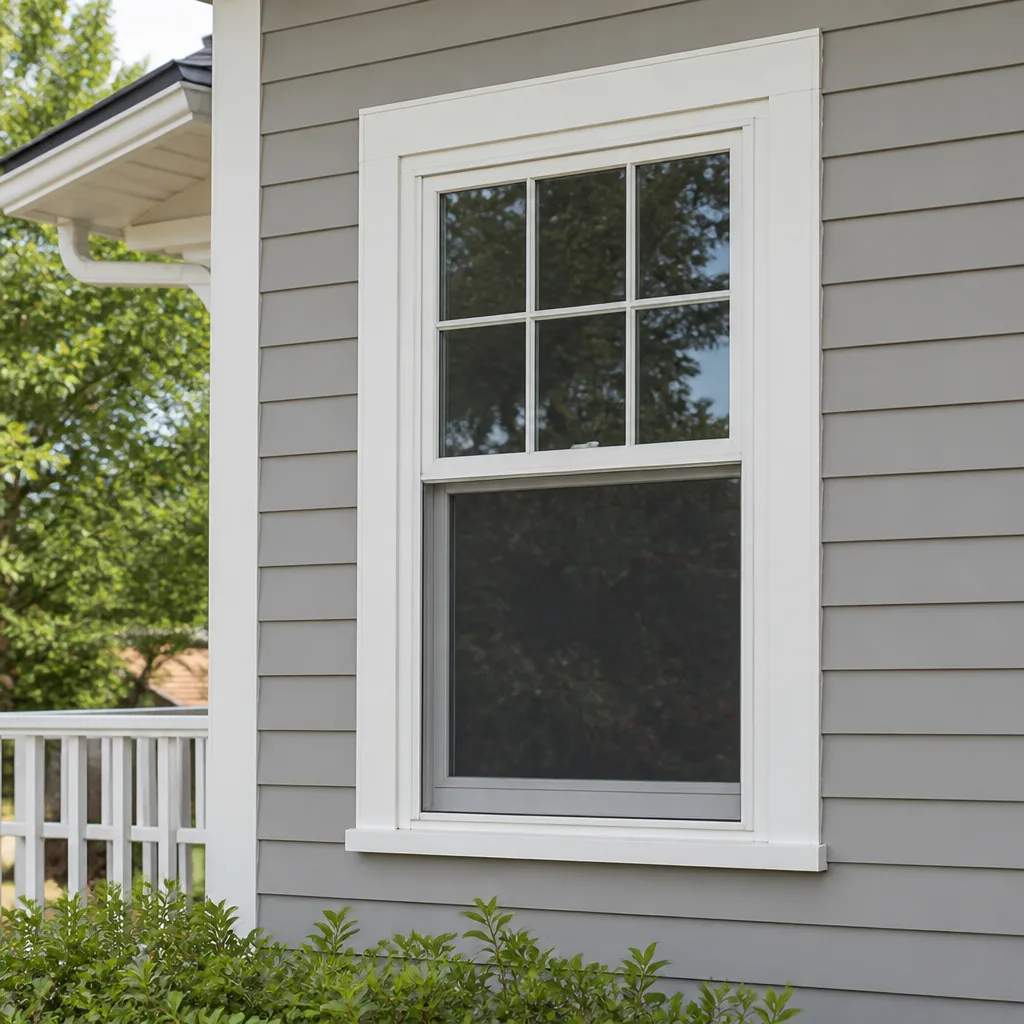 Single hung
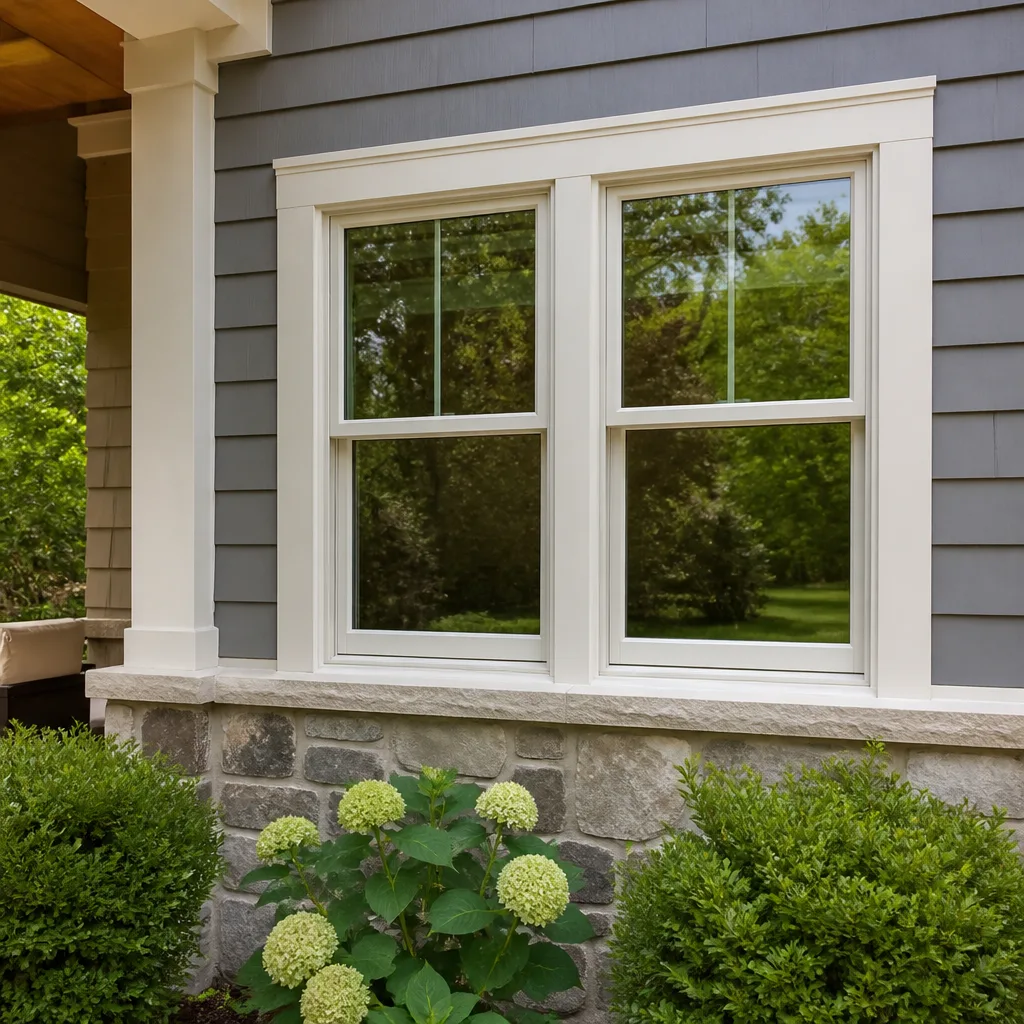 Double hung
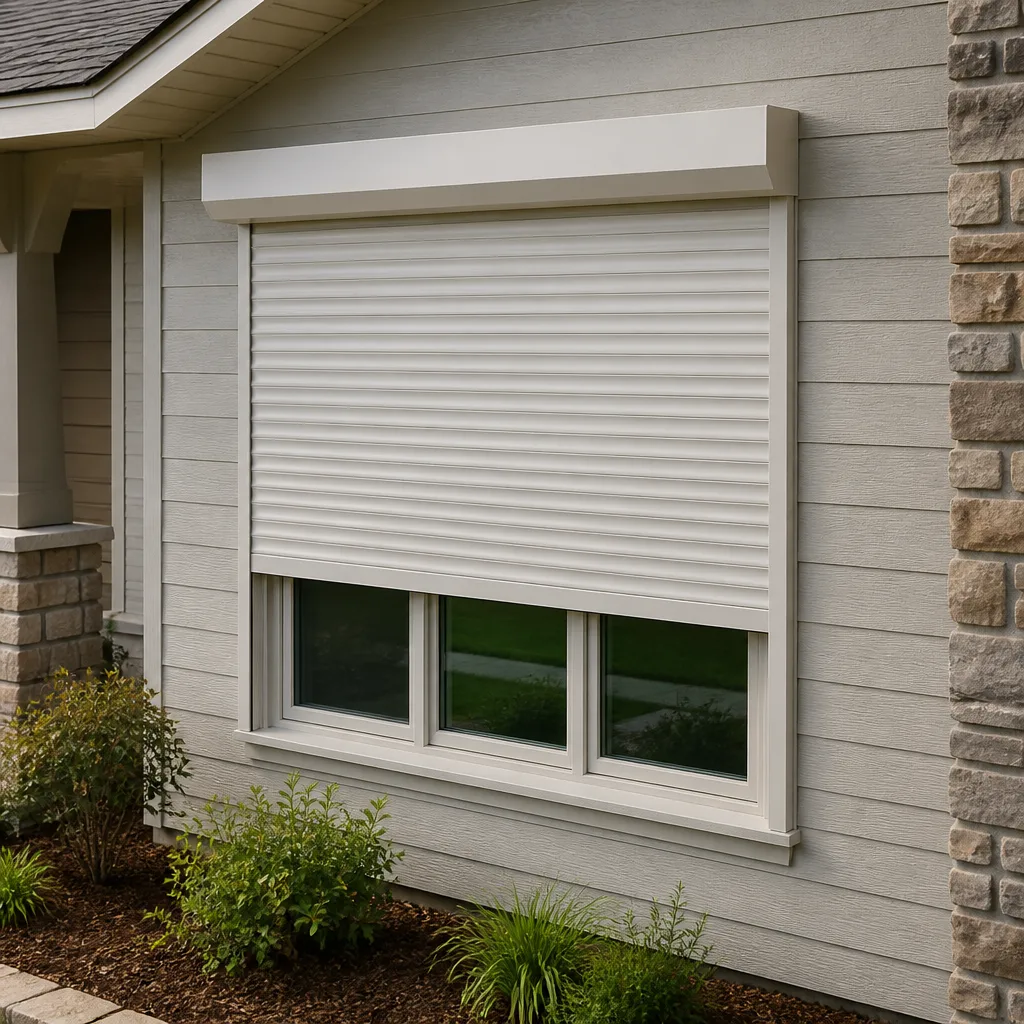 Horizontal roller
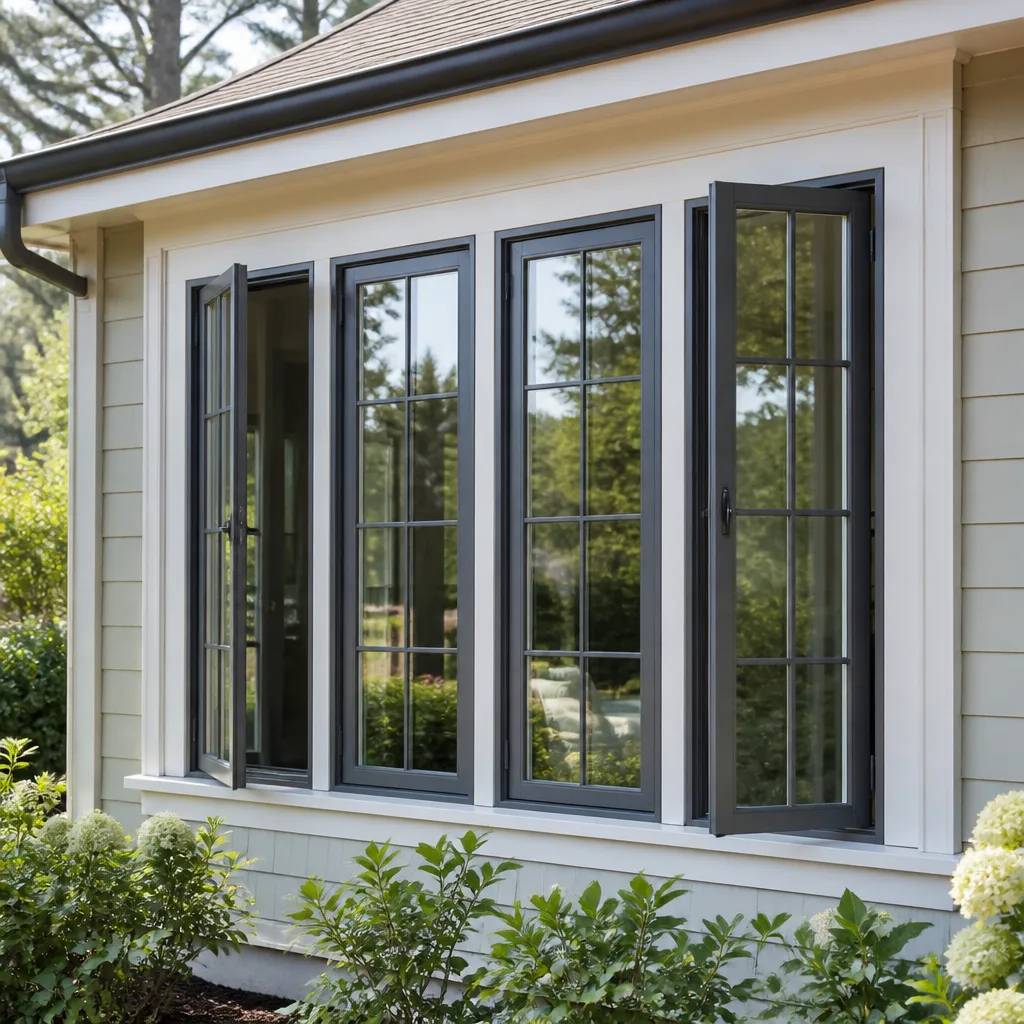 Casement
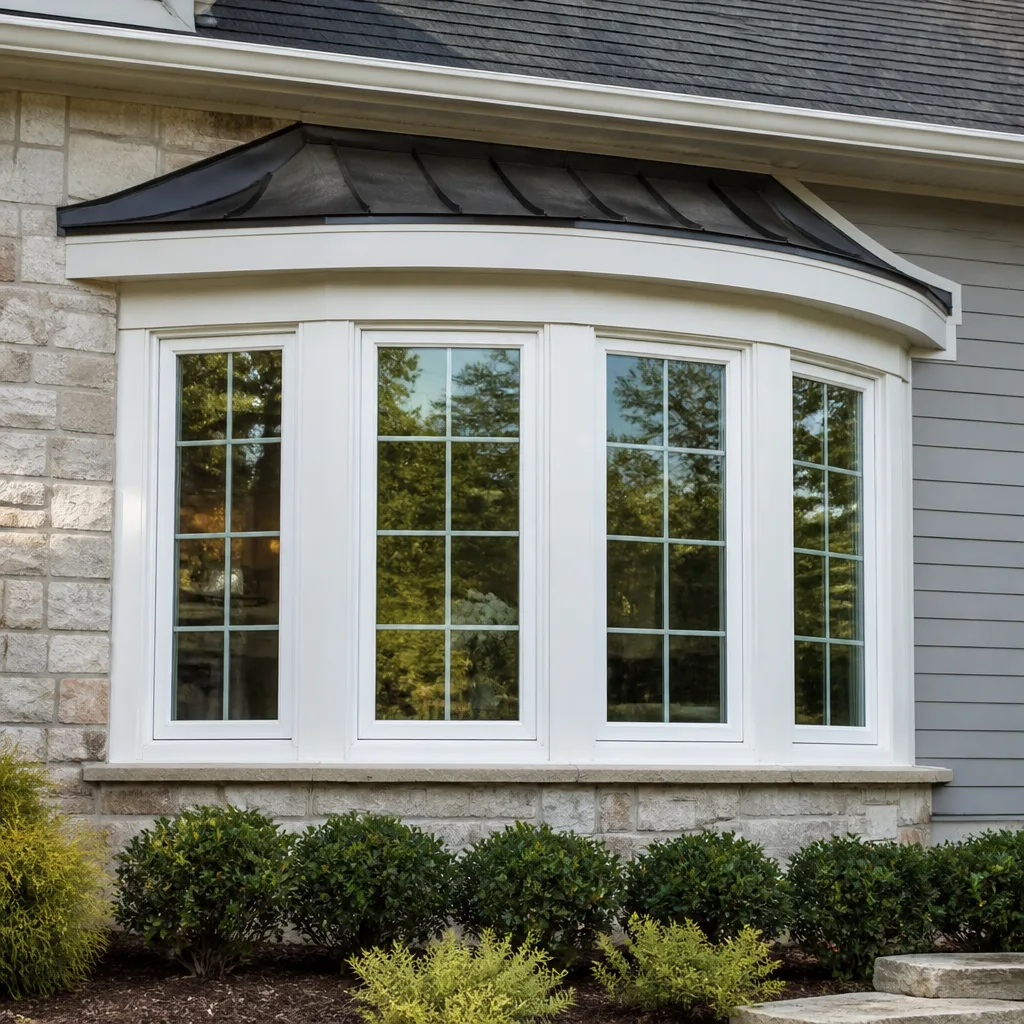 Bay & bow
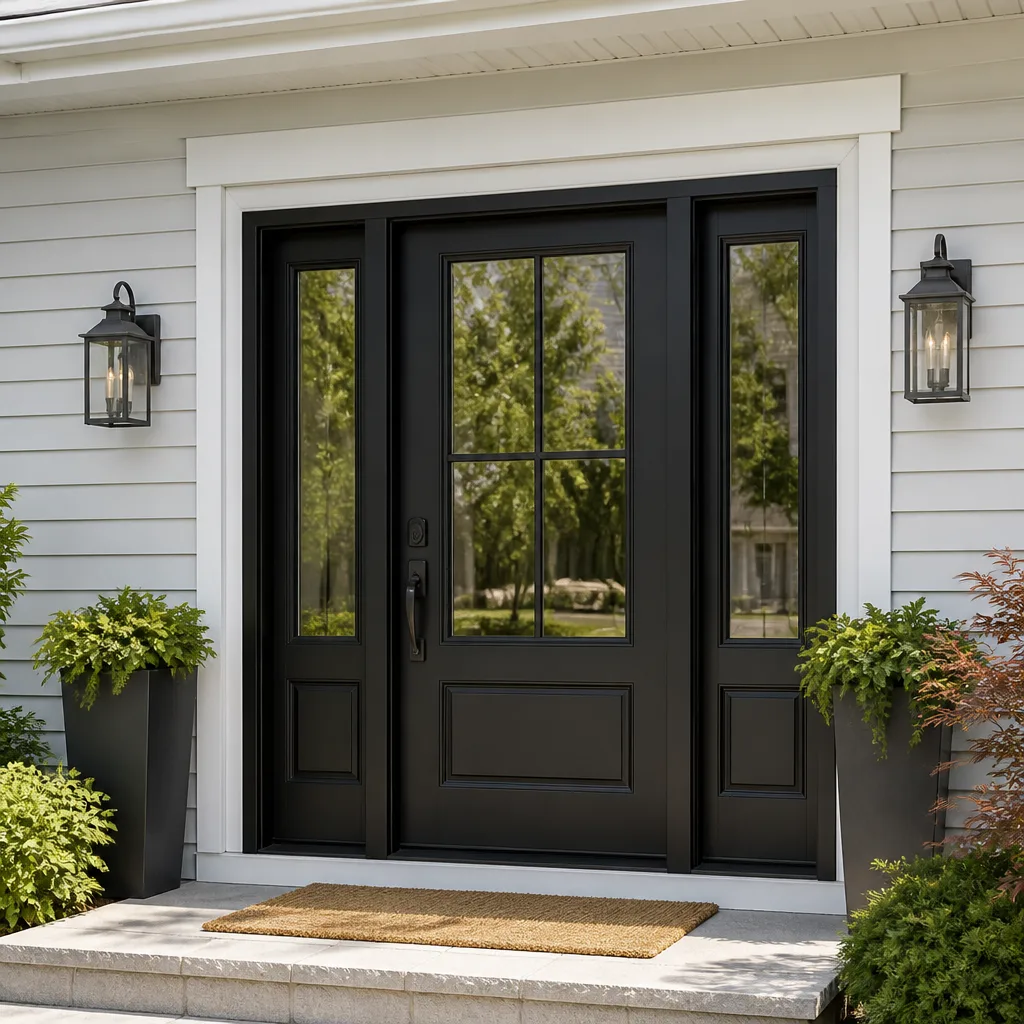 Entry doors
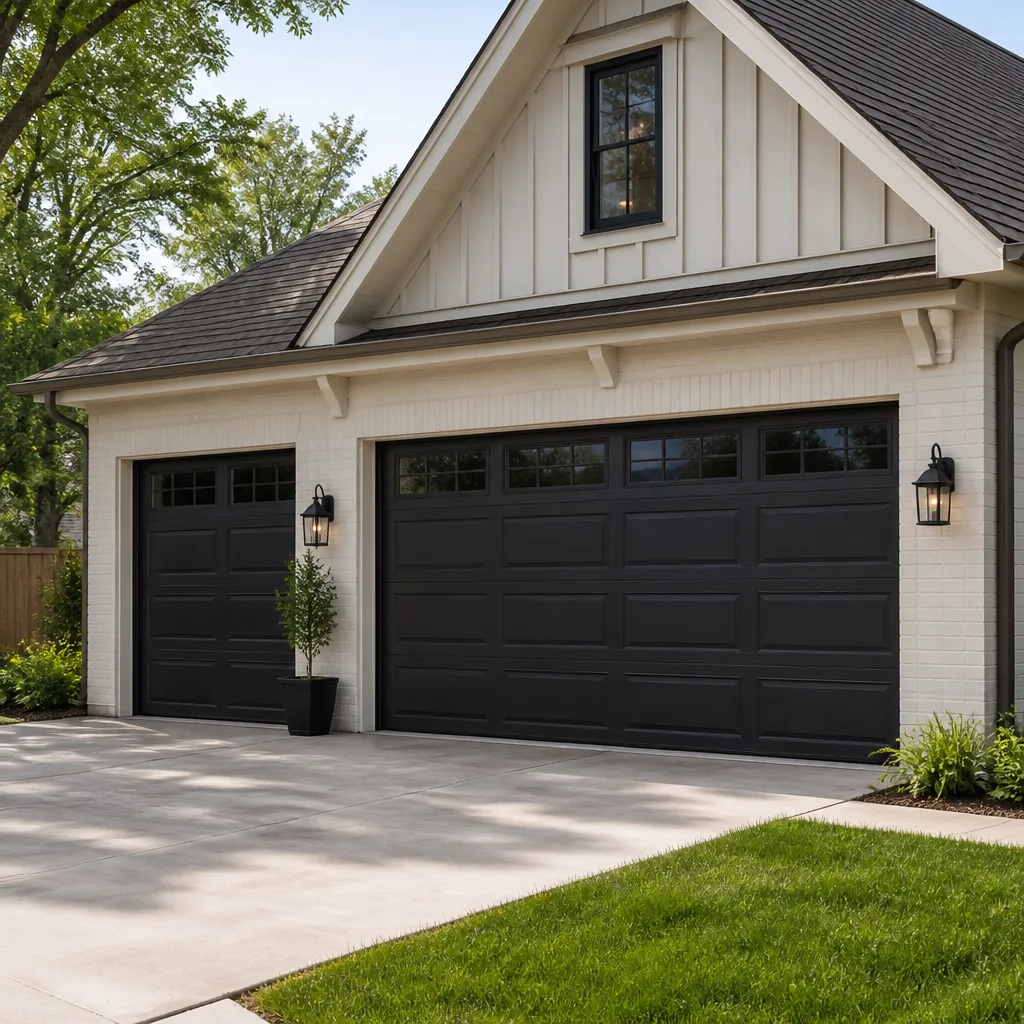 Impact garage doors
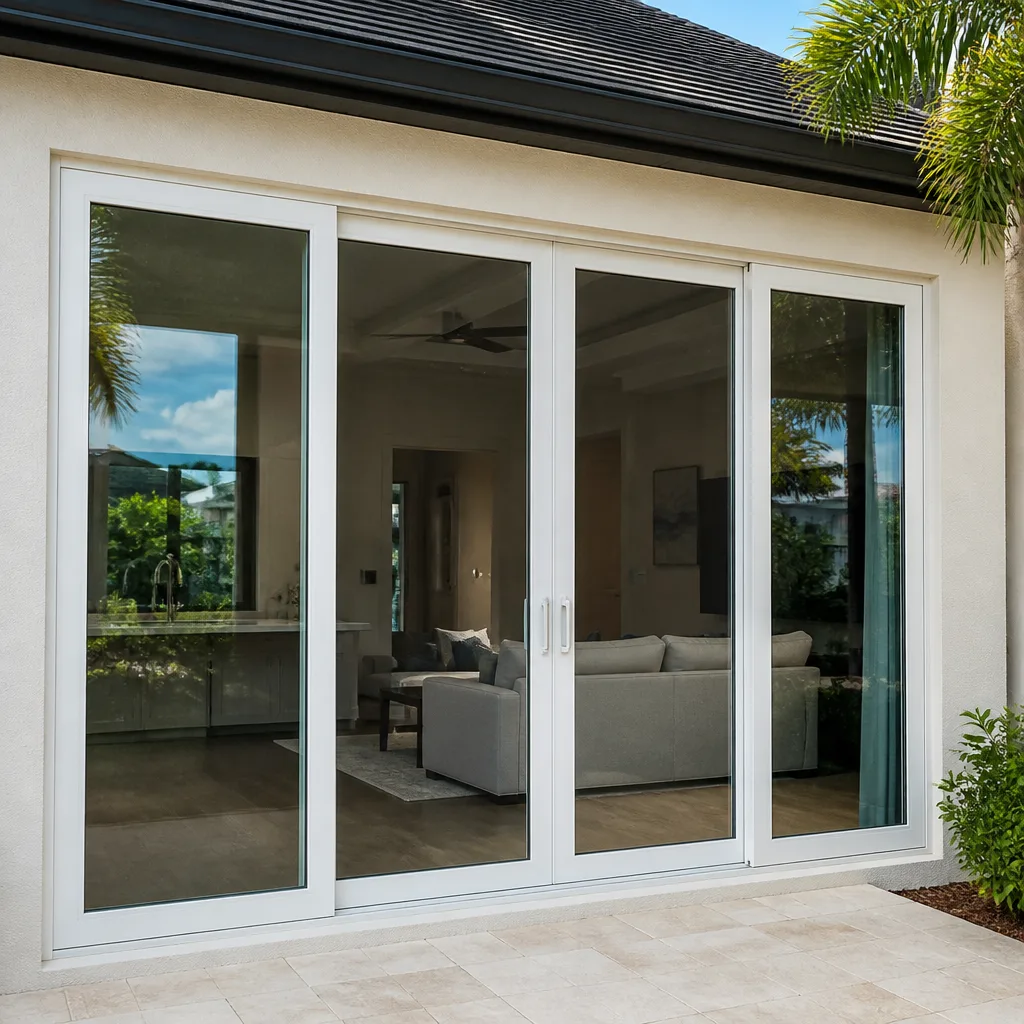 PGT
PGT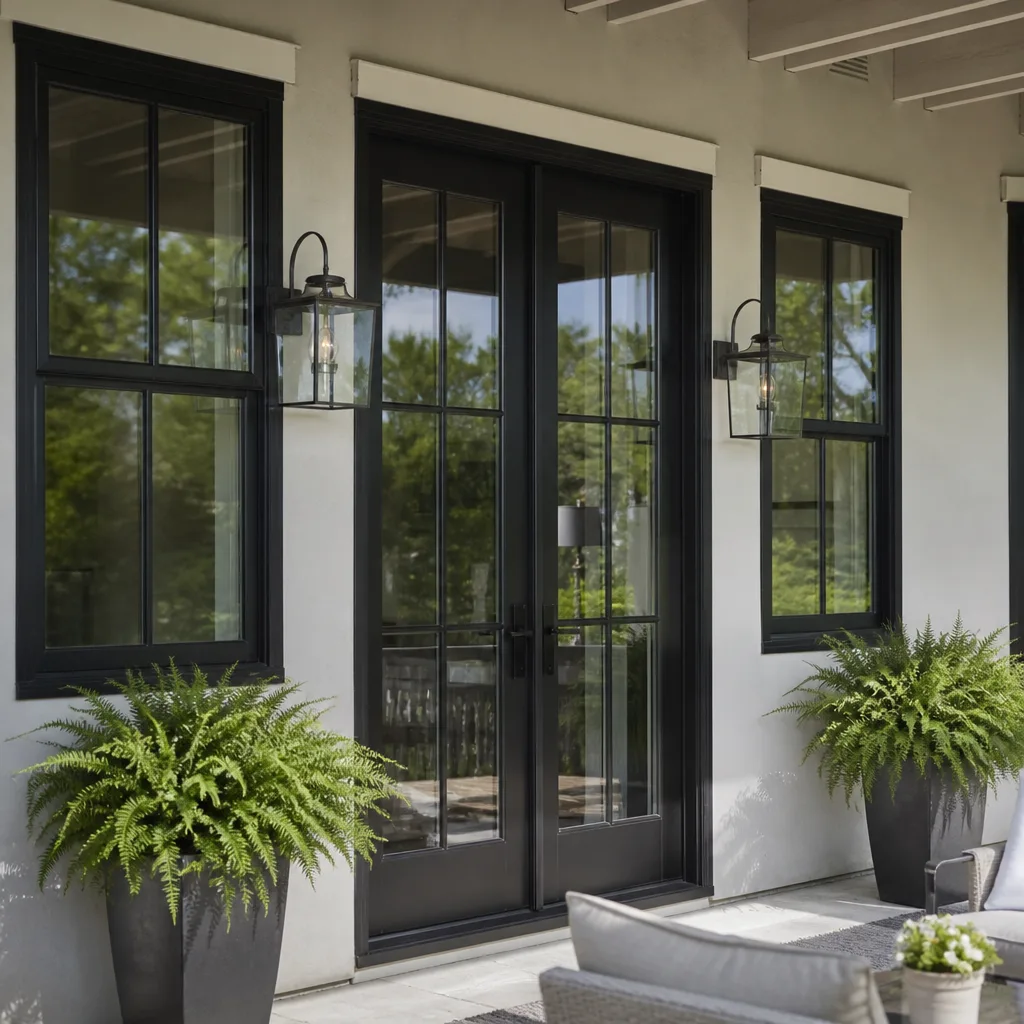 CGI
CGIFree in-home measure and quote - PGT, CGI and CWS impact lines compared on your actual openings, style by style
Get your free estimateThe Complete Guide to Windows & Doors in Ventura
Most window and door guides read like they were written for a suburb of Chicago. Ventura is a different animal entirely. We get 278 sunny days a year, but half our neighborhoods sit within a mile of saltwater, and the same week can swing from 55°F marine fog to 95°F Santa Ana heat. That combination – persistent salt, daily humidity cycles, and sudden temperature spikes – means a window that performs beautifully in Bakersfield can fog, corrode, or fail within five years a mile from the Ventura Pier. This guide explains exactly how to choose windows and doors for this climate, this housing stock, and your specific block, not a generic national average. For more, see our more guides & resources.
Styles & brands we work with
Quick Answer
The right windows and doors for a Ventura home depend primarily on your distance from saltwater, your home’s construction era, and which direction your walls face. If you’re weighing whether to tackle this yourself, read our DIY vs Professional Windows & Doors: The Ventura Homeowner’s Decision Guide first. Coastal homes within a mile of the ocean need corrosion-resistant frames (fiberglass, marine-grade vinyl, or thermally broken aluminum) and high-quality glazing to handle marine-layer humidity cycles. Inland and hillside Ventura homes have more flexibility but face intense UV exposure and Santa Ana wind pressure. Expect to spend $800 – $2,400 per window opening and $1,500 – $6,000 per exterior door, fully installed, depending on material and performance grade.
Table of Contents
- Why Ventura’s Climate Changes the Rules
- Frame Materials: What Survives Salt Air and What Doesn’t
- Glass & Glazing: The Marine Layer Problem Nobody Talks About
- Ventura Housing Stock: What Your Home Was Built With
- The Product Families Worth Comparing in Ventura
- What Windows and Doors Actually Cost in Ventura
- Installation Standards That Matter in a Coastal Market
- Common Mistakes to Avoid
- When to Call a Professional
- Frequently Asked Questions
- The Bottom Line
Why Ventura’s Climate Changes the Rules
Ventura sits inside a narrow coastal band where three forces meet: Pacific salt aerosol, a daily marine layer that rolls in around sunset and burns off by mid-morning, and seasonal Santa Ana winds that push dry, hot air down through the canyons. Each one attacks windows and doors differently.
Salt aerosol is the most obvious. Wind blown off the Pacific carries microscopic salt particles inland. The closer you are to the water – think Pierpont, Hollywood Beach, the Keys, and the neighborhoods off Seaward Avenue – the more salt your frames, hardware, and screens have to withstand. This is why uncoated aluminum window frames, which dominate the 1960s and 1970s housing stock near the coast, show pitting and white corrosion within a decade. The salt gets into the powder coating’s microscopic pores and eats at the metal underneath.
The marine layer creates a problem that’s less visible but just as damaging. Every evening, relative humidity spikes from 40% to 90% or higher as fog rolls in. Every morning, it drops again as the sun burns through. That daily expansion-and-contraction cycle works on every seal in a window or door, especially around the glazing and between frame and sash. In an arid climate like the Inland Empire, a window seal can last 20 years. In coastal Ventura, the stress of daily humidity swings can make a poorly made seal fail in 8 to 12 years.
Then there are the Santa Anas. When those winds hit Ventura, typically in fall and winter, they arrive as sustained 30 – 40 mph gusts with higher peaks, carrying dry desert heat. Windows on west- and north-facing walls take the brunt. Air leaks around old weatherstripping become audible, doors with poor thresholds whistle, and single-pane glass transfers that hot, dry air straight through. The answer is not always “buy the thickest glass.” It’s about selecting components rated for wind-load, a topic most buying guides never mention because most guides were not written for the Ventura coastline. For help finding qualified help, see our How to Hire a Windows & Doors Contractor in Ventura: A Step-by-Step Guide.
Takeaway: Your ZIP code in Ventura is not a marketing detail. It’s a specification. The products that work on a 1925 bungalow in Midtown are not necessarily the products that work on a 1995 stucco tract house in East Ventura, and neither matches what a hillside home above Foothill Road needs.
Frame Materials: What Survives Salt Air and What Doesn’t
The biggest pricing divide in windows and doors comes down to frame material. Each has a distinct relationship with Ventura’s salt air, and we’ve seen specific failure patterns in specific neighborhoods over the years.
Vinyl
Vinyl frames are the most common choice in Ventura today because they offer good thermal performance at a reasonable price. But “vinyl” is a broad category, and not all vinyl is created equal. On the coast, in Pierpont or the Keys, cheap vinyl with welded corners and low-grade hardware can warp in Santa Ana heat and flex in wind. Good vinyl with multi-chambered extrusions, quality weatherstripping, and stainless or corrosion-resistant hardware holds up far better. Vinyl is a solid mid-price choice for the majority of Ventura homes that sit a half-mile or more from the shoreline. Closer to the water, we recommend stepping up to marine-grade vinyl or fiberglass.
Fiberglass
Fiberglass frames are, in our experience, the strongest all-around performer for Ventura’s coastal conditions. They expand and contract at nearly the same rate as glass, which means the seals between frame and glazing do not get stressed by the marine layer’s humidity swings the way they do in vinyl or aluminum. Fiberglass also does not corrode, period. It costs more than vinyl – typically 20% to 35% more per opening – but in zones within sight of the ocean, that premium often pays for itself in longevity. If you’re within three blocks of the water in Ventura, fiberglass is the material we steer people toward most often.
Aluminum
Old uncoated or poorly coated aluminum is the number one failure we see in coastal Ventura homes. Pitting, flaking, and white corrosion at joints are not cosmetic problems; they compromise the frame’s structural integrity and let moisture into the wall cavity. Modern thermally broken aluminum, like what ES Windows produces, is a completely different product. The thermal break separates interior and exterior metal so heat and cold do not conduct through, and the finishes are engineered for marine environments. Aluminum’s biggest advantage is strength-to-weight: it allows for thinner frames and bigger glass, which matters in contemporary homes that prioritize views. The tradeoff is cost and, even with thermal breaks, slightly lower energy performance than fiberglass. It’s a premium choice for a specific aesthetic, common in the hillside homes and modern builds on Ventura’s east side.
Wood and Wood-Clad
Wood windows are beautiful and were standard in Ventura’s older Craftsman and Spanish Revival homes. But raw wood frames do not love salt air, daily fog, or termites, and Ventura has all three. Wood-clad options – wood on the interior with a vinyl, aluminum, or fiberglass exterior – preserve the interior look while protecting the exterior from weather. These carry the highest price tags, and they demand disciplined maintenance: inspecting the exterior cladding annually, repainting or resealing as needed, and addressing any moisture intrusion immediately. If historical character matters to you, wood-clad is often the right answer. If you want a low-maintenance solution, it rarely is.
Quick material decision for Ventura:
- Coastal (within 1 mile of ocean): Fiberglass or marine-grade vinyl frames, corrosion-rated hardware.
- Mid-city (Midtown, College, Juanamaria): Quality vinyl or fiberglass, depending on home age and budget.
- Hillside and East Ventura: Thermally broken aluminum or fiberglass; UV-resistant glazing matters more than marine ratings.
Glass & Glazing: The Marine Layer Problem Nobody Talks About
Glazing – the glass assembly inside the frame – is where the marine layer does its quiet, persistent damage. You cannot see a failed seal from across the street, but you will notice the fog between panes on a cool morning, the condensation that won’t wipe away, and the hazy film that degrades your ocean view. Here is what Ventura homeowners need to know before choosing glass packages.
Double-Pane is the Floor, Not the Ceiling
In Ventura, single-pane windows are no longer adequate. They let in the afternoon heat, they transmit every gust of wind, and they do nothing to stop the daily condensation cycle that the marine layer generates. Double-pane insulated glass with a low-emissivity (Low-E) coating should be your baseline, regardless of what you are replacing. The Low-E coating reflects infrared heat while letting visible light through – essential in a city with 278 sunny days a year. Without it, every west-facing window in the house becomes a solar heater from 2 p.m. to sunset.
Argon Fill and the Humidity Cycle
Most insulated glass units are filled with argon gas between the panes to improve thermal performance. The seal holding that gas in is called a spacer, and not all spacers handle the daily fog-to-sun cycle equally. Flexible warm-edge spacers outperform rigid metal spacers in coastal climates because they can absorb the expansion and contraction of the glass as temperature and humidity swing. A window that fogs between the panes within five years almost always had a rigid aluminum spacer. Ask about the spacer material before you buy – not just the glass.
Salt Haze on Glass Coatings
Homes within a few blocks of the ocean have an additional consideration: salt deposits on exterior glass. This is a cleaning problem, not an integrity problem, but it matters for product selection. Certain Low-E coatings are more resistant to salt haze than others, and coastal homeowners who choose the cheapest glass package often find themselves cleaning salty film off their windows every two weeks. In the Pierpont area and along the promenade, we recommend Low-E coatings with exterior-facing surfaces that are easy to clean and resistant to mineral buildup.
Impact-Rated Glass for Wind Zones
Ventura’s building code includes wind-load requirements for windows and doors, particularly for homes in exposed locations and those undergoing major remodels. Impact-rated glass, made with a laminate interlayer that holds the pane together if it cracks, comes from brands like PGT and CGI and is increasingly common in coastal Ventura homes. It adds cost – typically 40% to 60% per opening – but it’s mandatory in some wind zones and worth considering anywhere on the waterfront. It also provides a security benefit and reduces noise from the 101 corridor, which matters more than most people expect.
Window replacement in Ventura is the most common project where we see glazing choices make or break long-term satisfaction. The right glass package, chosen for your specific block and exposure, is the difference between a window that lasts 25 years and one that fogs in 8.
Ventura Housing Stock: What Your Home Was Built With
Ventura’s building history falls into distinct eras, and each era interacts with window and door replacement differently. If you know what era your home was built in, you already know 70% of what your project will involve.
1920s – 1940s: Craftsman and Early Spanish Revival
Homes in Midtown and along Ventura Avenue from this era were built with true divided-lite wood windows, often with weights and pulleys inside the wall cavity. The openings are non-standard by today’s measurements. Replacing these windows almost always requires custom sizing, and preserving the architectural character means choosing wood-clad or fiberglass frames with divided-lite profiles that match the original. These homes also often have uninsulated wall cavities, so the gap between rough opening and new window frame needs careful insulation and flashing to prevent air leakage.
1950s – 1970s: Single-Story Wood Frame and Aluminum Sliders
This is the largest housing stock in central Ventura. Homes from this era were commonly built with single-pane aluminum sliders or wood double-hungs, many of which are now at the end of their service life. The rough openings are often slightly undersized by modern code, which means a straight swap is rarely possible. On the coast, we consistently see corrosion at the bottom corners of aluminum sliders from this era – salt collects in the track, sits there, and eats through. These replacements require more extensive flashing work and occasional framing repair, but the homes are straightforward wood-frame construction, which makes the actual installation simpler than it looks.
1980s – 1990s: Stucco Tract Construction
East Ventura and the neighborhoods off Telephone Road grew quickly in this era, with stucco over wood frame and aluminum windows. The critical issue here is flashing. Stucco is a water-managed system, and when windows were installed without proper pan flashing or weep screeds integrated into the exterior, water gets trapped between the stucco and the window frame. Replacing windows in these homes often reveals hidden moisture damage around the opening. The window installation in Ventura process for stucco homes needs to include detailed flashing, sill pan installation, and careful cutting that does not fracture the surrounding stucco.
2000s – Present: Modern Construction
Newer Ventura homes tend to have vinyl windows, stucco or siding exteriors, and standard rough openings. Replacements here are less dramatic but still benefit from attention to air sealing and proper insulation around the frame. These homes are also where we see the most variation in original build quality – some were assembled with care, others with whatever was cheapest that month.
The Product Families Worth Comparing in Ventura
We carry eight manufacturer brands, but we do not recommend all eight to every homeowner. Each one fits a different combination of home era, location, and budget. Below is an honest breakdown of the product families that come up most often on Ventura jobs, with the four brands we specify most frequently.
Premium Aluminum: ES Windows
ES Windows out of Southern California produces thermally broken aluminum windows with narrow sightlines and exceptional build quality. This is the product family for contemporary homes, view-facing walls, and hillside properties where the glass is the star. We recommend ES Windows for homeowners in Ventura’s hillside and modern-build neighborhoods who want the largest possible glass area with clean architectural lines. These are a premium investment, but the marine-grade finishes hold up to coastal exposure without pitting.
Marine-Grade Aluminum and Impact: ECO Window Systems
ECO Window Systems offers a range of aluminum windows and doors, including impact-rated configurations, at a more approachable price point than some competitors. We specify ECO most often for coastal Ventura homes that need wind-load and impact ratings without the absolute top-tier aluminum price. If you’re within a few blocks of the water and know you need impact glass, this is a family worth comparing.
Fiberglass and Hybrid: Mr-Glass
Mr-Glass produces fiberglass and hybrid frames that handle Ventura’s marine layer beautifully. We lean on this product family for mid-century and older homes where we want the durability of fiberglass without abandoning the architectural proportions of the original windows. The product quality is consistent, and the price lands between vinyl and premium aluminum.
Entry Doors: Therma-Tru
For exterior doors, Therma-Tru is the brand we specify most often for one simple reason: their door slabs are engineered for fiberglass durability and they offer a huge range of styles that fit Ventura’s architectural mix, from Spanish Colonial to Mid-Century Modern. A Therma-Tru door in a coastal Ventura home will not warp in the marine air the way a solid wood door can. Door installation in Ventura is about far more than the slab alone – the threshold, the weatherstripping, the hinge hardware, and the flashing all determine whether that door seals against a Santa Ana wind, but starting with a slab that will not cup or rot is half the battle.
How we choose: We show homeowners two or three product families that fit their home, not all eight. The recommendation comes from the location of the house, the era of the construction, and the direction the walls face. If a product category will not hold up in a specific Ventura neighborhood, we say so and point to the one that will.
What Windows and Doors Actually Cost in Ventura
Pricing transparency is rare in this industry, and we believe that is why so many homeowners have been burned. Here are honest, current ranges for the Ventura market, based on what we see on actual projects. These are installed prices, including labor and basic interior trim, but excluding structural repairs discovered on-site.
| Project Type | Typical Range in Ventura | Notes |
|---|---|---|
| Vinyl double-hung window (single opening) | $800 – $1,400 | Most common replacement; price varies with glass package |
| Fiberglass window (single opening) | $1,100 – $2,200 | Weathers better within a mile of the ocean; includes better spacer seals |
| Thermally broken aluminum window (single opening) | $1,200 – $2,400 | Best for view walls and modern homes |
| Impact-rated window (single opening) | $1,800 – $3,200 | Required in some wind zones; adds noise reduction |
| Front entry door, fiberglass (installed) | $2,800 – $6,000 | Price varies with sidelights, transom, hardware grade |
| Sliding patio door (installed) | $1,800 – $4,500 | Aluminum sliders on the lower end; multi-panel on the higher end |
| French door or multi-slide door (installed) | $4,000 – $12,000+ | Depends heavily on size, material, and glass |
These are the prices you should expect to pay in Ventura today. Not ten years ago, and not in a larger metro like Los Angeles where labor rates run higher. If a quote comes in dramatically below these ranges, ask what is missing – removed flashing work, skipped permits, or a thinner glass package are the usual culprits. We will also note that we put our pricing in writing before work begins, and that written number is the number you pay. No surprise add-ons at the end. That is part of how we operate, and it is the only way we think anyone should operate.
Installation Standards That Matter in a Coastal Market
Half of a window or door’s performance comes from how it is installed. This is especially true in Ventura, where marine moisture and Santa Ana wind pressure exploit every gap. For ongoing protection, check our Seasonal Windows & Doors Care for Ventura: Year-Round Homeowner’s Guide.
What Proper Installation Looks Like
- Opening inspection: Before removing anything, we inspect the rough opening for hidden rot, termite damage, or moisture intrusion, particularly in stucco homes and coastal properties where salt accelerates decay. This inspection sometimes changes the scope of the project, which is why we report findings before proceeding.
- Sill flashing and waterproofing: We install a sloped sill pan at the base of every window and door opening so that any water that gets past the exterior face drains back out instead of into the wall cavity. In a climate with daily fog and occasional heavy winter rain, this step is non-negotiable.
- Shimming and leveling: The new unit is shimmed and leveled in the opening, ensuring it is square before any fasteners go in. An out-of-square window will bind, drag, and eventually warp the frame.
- Air sealing: We seal the perimeter gap between the rough opening and the new frame using backer rod and low-expansion foam, then apply a compatible sealant. This controls both air leakage and moisture entry.
- Exterior flashing and trim: The exterior is flashed to shed water away from the opening, and trim is reinstalled or replaced to match the home.
- Interior finish and clean-up: Interior trim and caulk are reinstalled. Then – and this is part of the Cedarwell Care Promise on every job – we lay drop cloths before work begins, wear shoe covers on every visit, and photograph the clean-up before the crew leaves. Floors, furniture, and pet areas are protected, not an afterthought.
Why Independent Accountability Matters Here
Callbacks are common in coastal markets. The marine layer exposes installation mistakes within the first year – a seal that was pinched, a flashing gap on the windward side, a threshold that leaks when rain hits from the southwest. When you work with a large corporate installer, a callback means dealing with a call center. When you work with an independent Ventura business like ours, the person who answers the phone at (559) 257-2350 is a real person who knows your house. That difference matters more after the install than before it.
Every window and door we install in Ventura is covered by the Cedarwell Care Promise and the 365-Day Done Right Promise. If the finished work is not right, we make it right. Not in a year, not after a review committee – we fix it. That promise has been part of how this location has operated within the Cedarwell network since 2010.
Common Mistakes to Avoid
- Buying windows built for a dry climate. A window that performs well in Phoenix may fail within a decade a mile from the Ventura coastline. Choose frames and glazing rated for coastal humidity and salt exposure.
- Replacing windows without inspecting the rough opening. In stucco homes and older coastal properties, hidden moisture damage around the old frame is common. Skip the inspection and you are installing new windows into a compromised opening.
- Choosing the cheapest quote without asking what was removed. In the Ventura market, the cheapest bid often omits flashing work, permit fees, or proper disposal. Ask for a written, itemized price and compare line by line.
- Ignoring the spacer material in the glass package. Rigid aluminum spacers fail faster in a daily fog cycle. Ask for warm-edge spacers and verify what the quote actually includes.
- Painting aluminum frames after corrosion starts. Once pitting has begun, paint is a temporary cover. The corrosion continues underneath and the frame will eventually need replacement.
- Replacing a front door without addressing the threshold and weatherstripping. A beautiful door slab installed over a worn threshold will still leak in a Santa Ana wind. The whole assembly matters.
- Working with a company that cannot tell you who will be at your door. In Ventura, the tight-knit feel of our neighborhoods means you should know who is coming to your home. We send background-checked, uniformed technicians on every job, and you will know their name before they arrive.
When to Call a Professional
Window and door replacement is not a weekend project, and in a coastal Ventura home, it is rarely a cosmetic one. You should call a professional if you see fog between glass panes that will not clear, visible corrosion or pitting on aluminum frames, water stains around interior window casings, doors that no longer close square or seal against wind, or drafts you can feel from across the room. You should also call if your home is in a coastal wind zone and you are unsure whether impact-rated glass is required for your project. Lightwell Windows Ventura offers free estimates throughout Ventura. Call (559) 257-2350 and we will walk your property with you, explain what needs attention and what does not, and put the price in writing before any work begins.
Frequently Asked Questions
Most window replacements in Ventura run between $800 and $2,400 per opening, fully installed, depending on frame material, glass package, and whether the home requires impact-rated glass for its coastal location. A written estimate that itemizes materials, labor, permits, and disposal is the only way to know your specific number. Call (559) 257-2350 for a free, written quote.
Fiberglass is the strongest performer within a mile of the Ventura coastline because it resists salt corrosion, expands and contracts at nearly the same rate as glass, and withstands the marine layer’s daily humidity cycle. Marine-grade vinyl and thermally broken aluminum with marine finishes are also viable depending on budget and architectural style.
Impact-rated windows are required in certain wind zones in Ventura, particularly for exposed coastal properties and homes undergoing major remodels. Even where not required, impact glass reduces wind noise from the 101 corridor and adds security. We can tell you whether your specific home falls into a zone that requires it.
Well-made, properly installed double-pane windows last 20 to 25 years in Ventura’s coastal environment. Poorly made windows with rigid aluminum spacers and no thermal break can fail in 8 to 12 years due to the daily humidity cycle and salt exposure. The difference in longevity comes down to the spacer material, frame quality, and installation flashing.
With Lightwell Windows Ventura, the written price we give you before work begins is the price you pay, unless we discover hidden structural damage that was not visible during the initial inspection. If that happens, we stop and show you what we found before proceeding. No invoice surprise at the end. That is the Cedarwell Care Promise in practice.
Yes. Homes from the 1920s through the 1940s in Midtown and along Ventura Avenue need custom-sized windows with divided-lite profiles that match the original architecture. Wood-clad and fiberglass options preserve the interior and exterior look while upgrading the glass to modern standards. We have specified and installed these replacements throughout Ventura’s older neighborhoods.
The Bottom Line
Ventura is not a generic market, and your windows and doors should not be generic either. Salt air demands corrosion-resistant frames. The marine layer demands glass packages with warm-edge spacers and Low-E coatings that handle daily humidity swings. Santa Ana winds demand proper flashing and weatherstripping. And Ventura’s mix of 1920s bungalows, mid-century stucco tracts, and modern hillside homes means there is no single right answer for everyone. The right company will show you two or three product families that fit your home, put a written price in front of you before any work starts, and stand behind the finished job with a promise that actually means something. That is how we work at Lightwell Windows Ventura. If you’re ready to talk through your project, call (559) 257-2350 for a free estimate.
Written by Keith Yamada, Owner at Lightwell Windows Ventura, serving Ventura since 2010.
See the difference
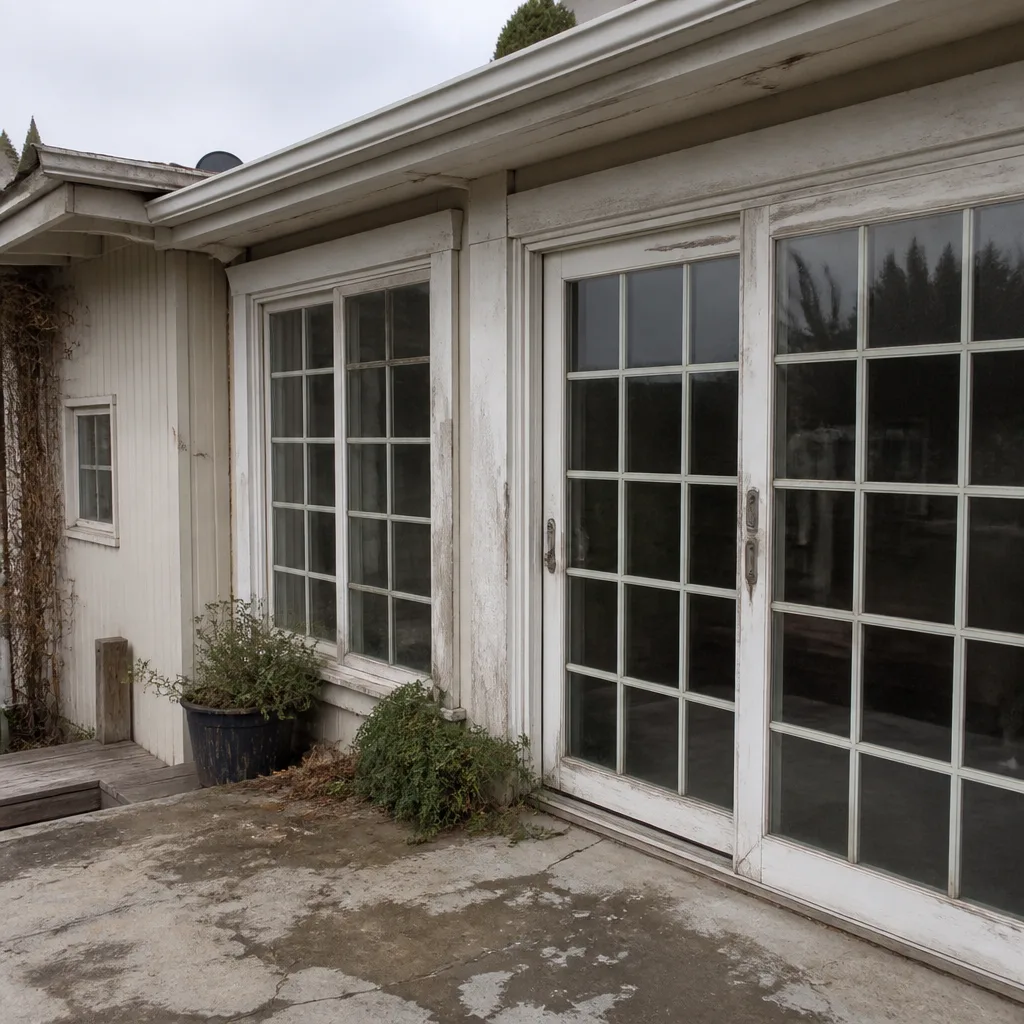 Before
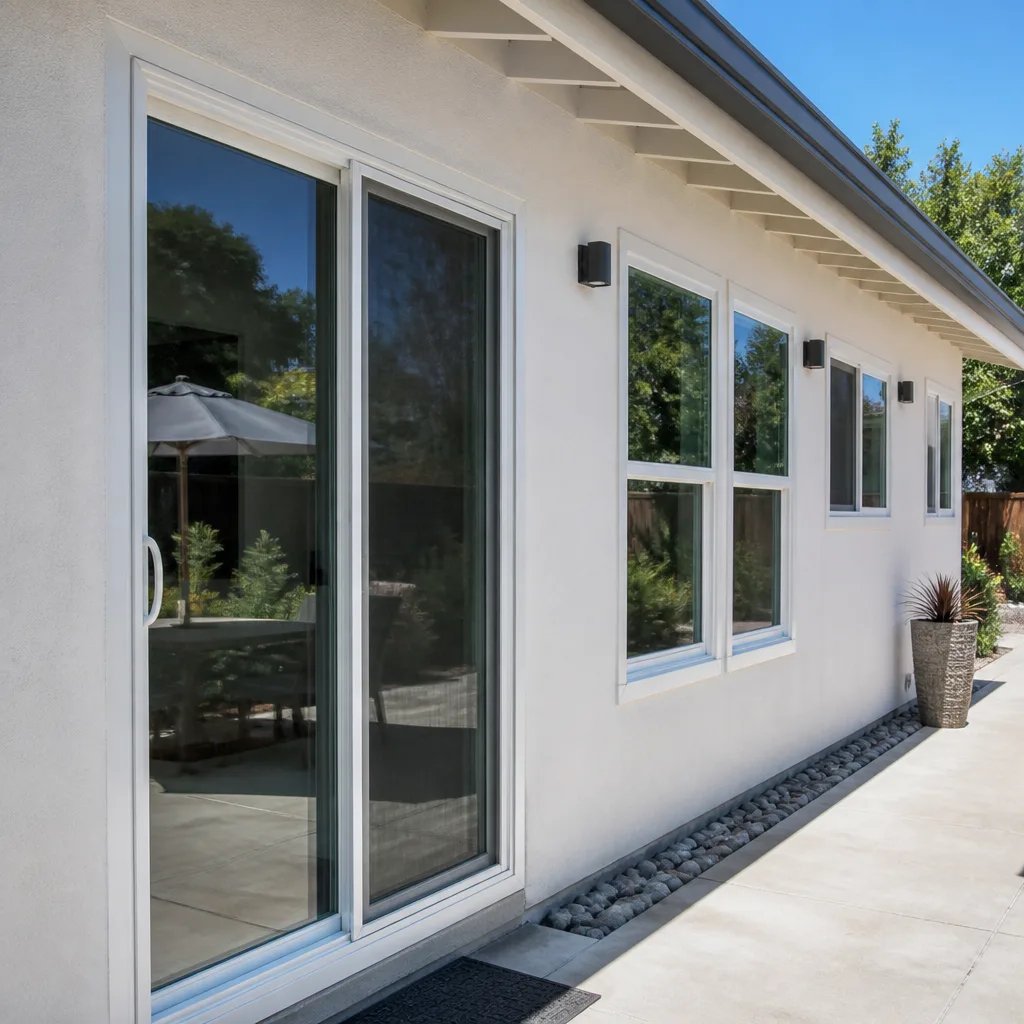 After
After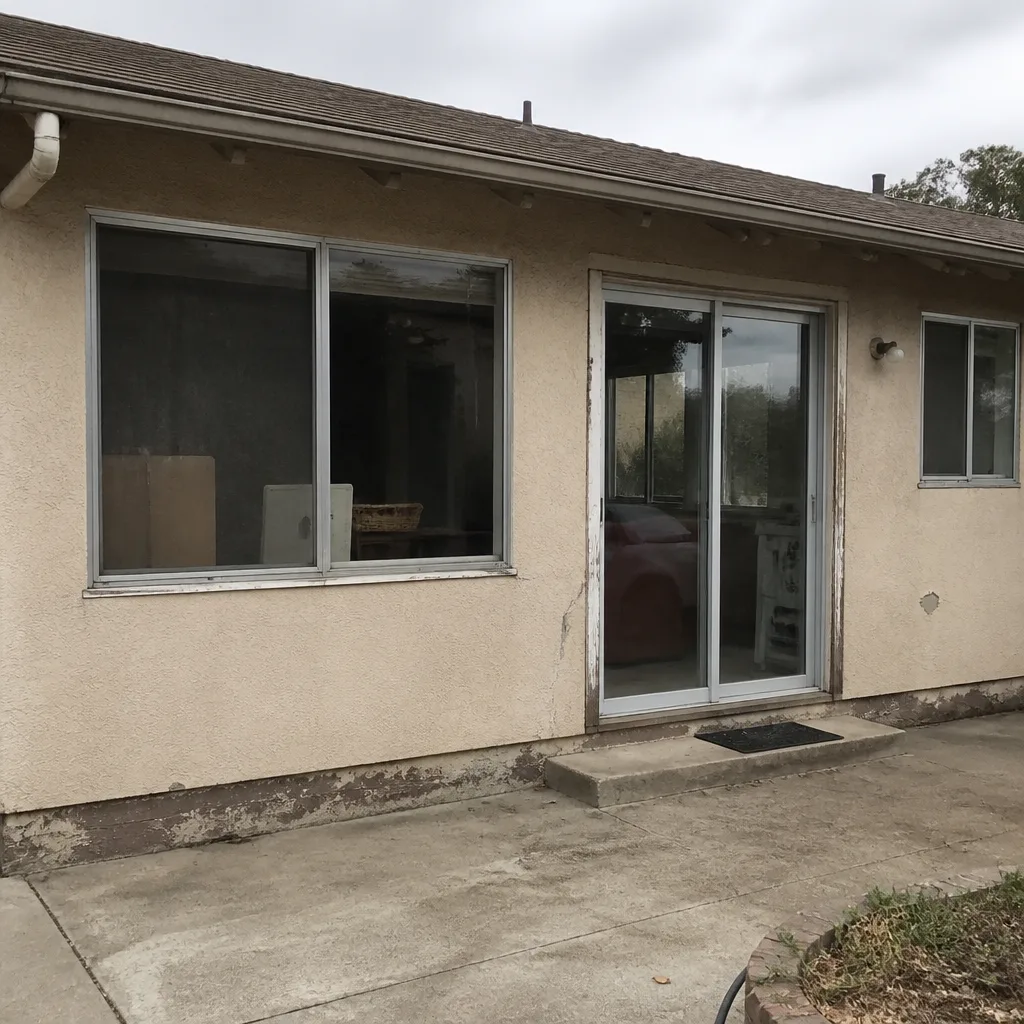 Before
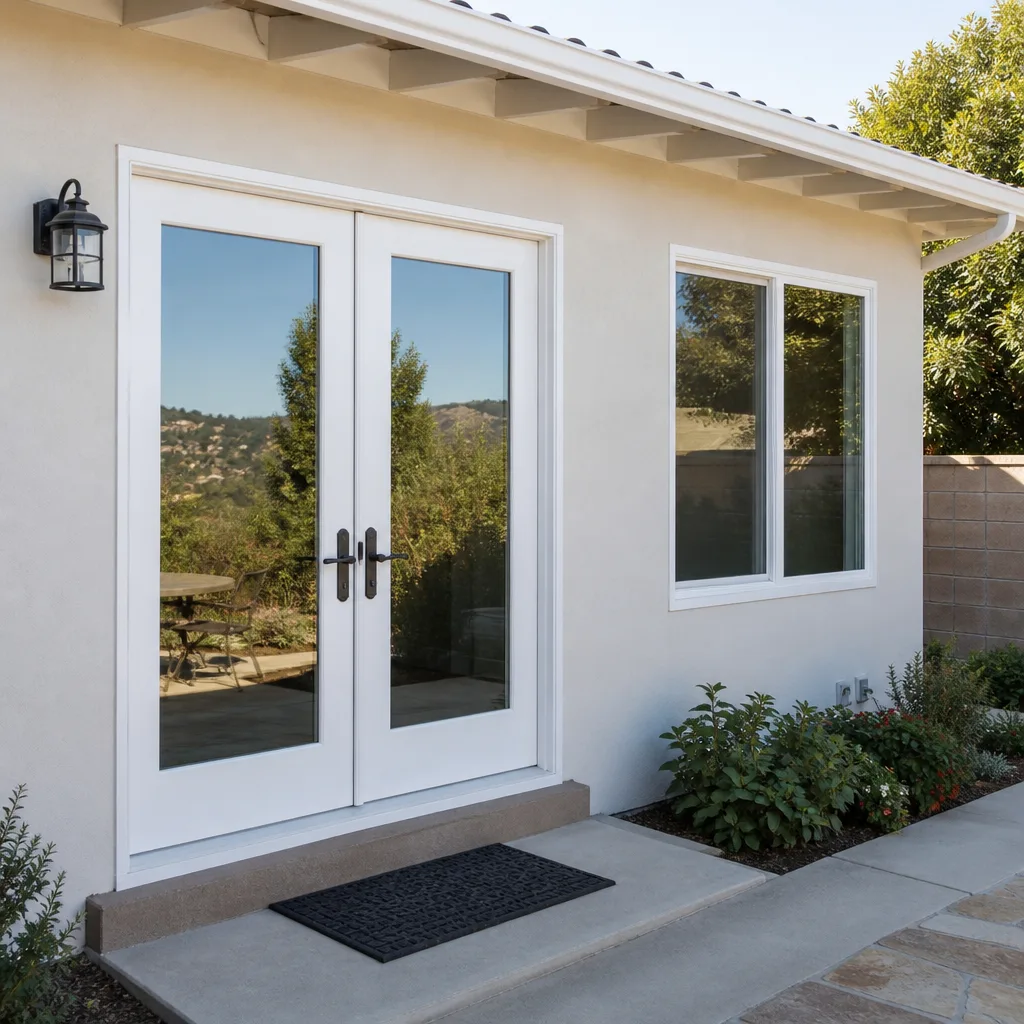 After
After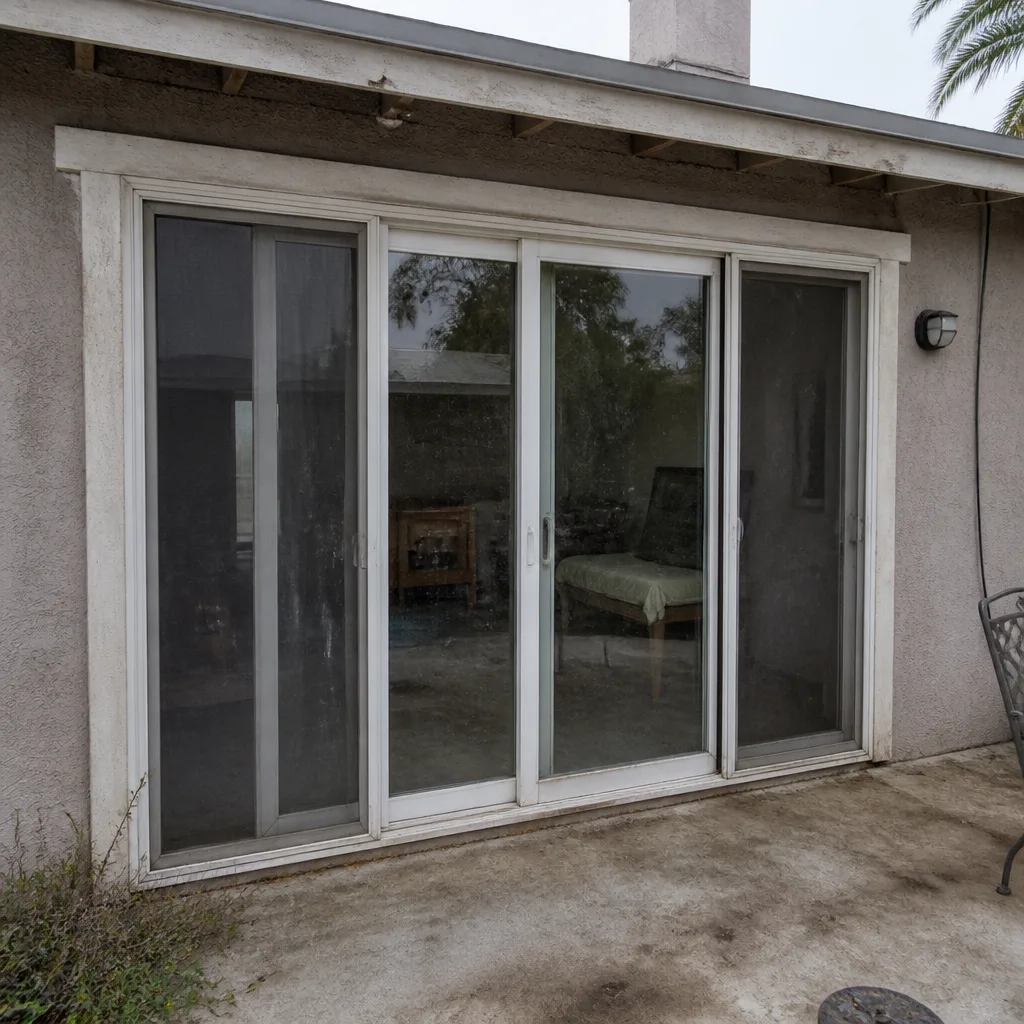 Before
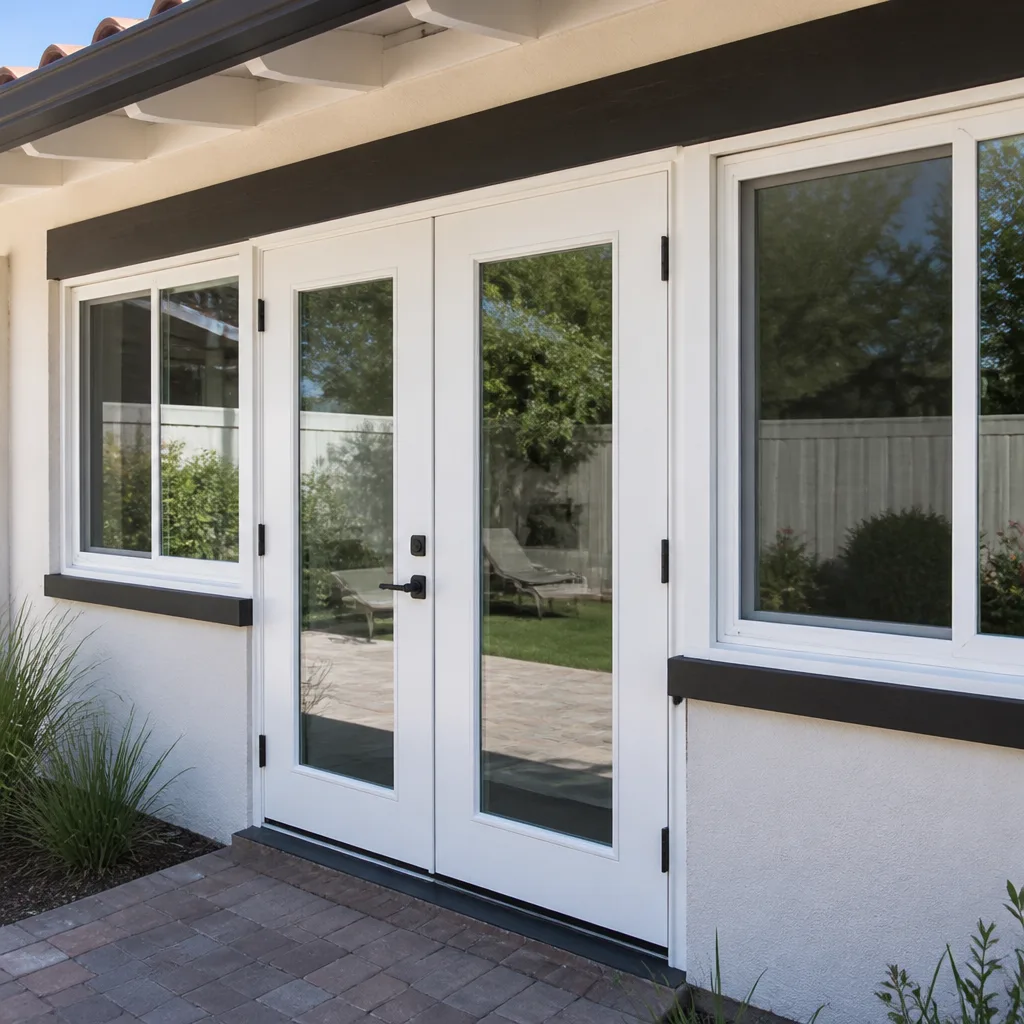 After
AfterSix Reasons Homeowners Choose Lightwell Windows Ventura
Laminated glass and reinforced frames hold up to wind-driven rain, hail and flying debris, so your openings stay sealed when the weather turns.
Low-E insulated impact glass from our manufacturer lines commonly cuts monthly cooling bills 20-30%.
Laminated impact glass shuts out up to 40% of outside noise - traffic, neighbors, weather.
Monitoring services run $30-90 a month. Laminated impact glass resists forced entry around the clock, with no subscription.
Tighter seals and insulated glass even out hot and cold rooms and stop the drafts at the frame.
A full impact package upgrades curb appeal, buyer confidence and appraised value in one project.