
Last updated October 17, 2026
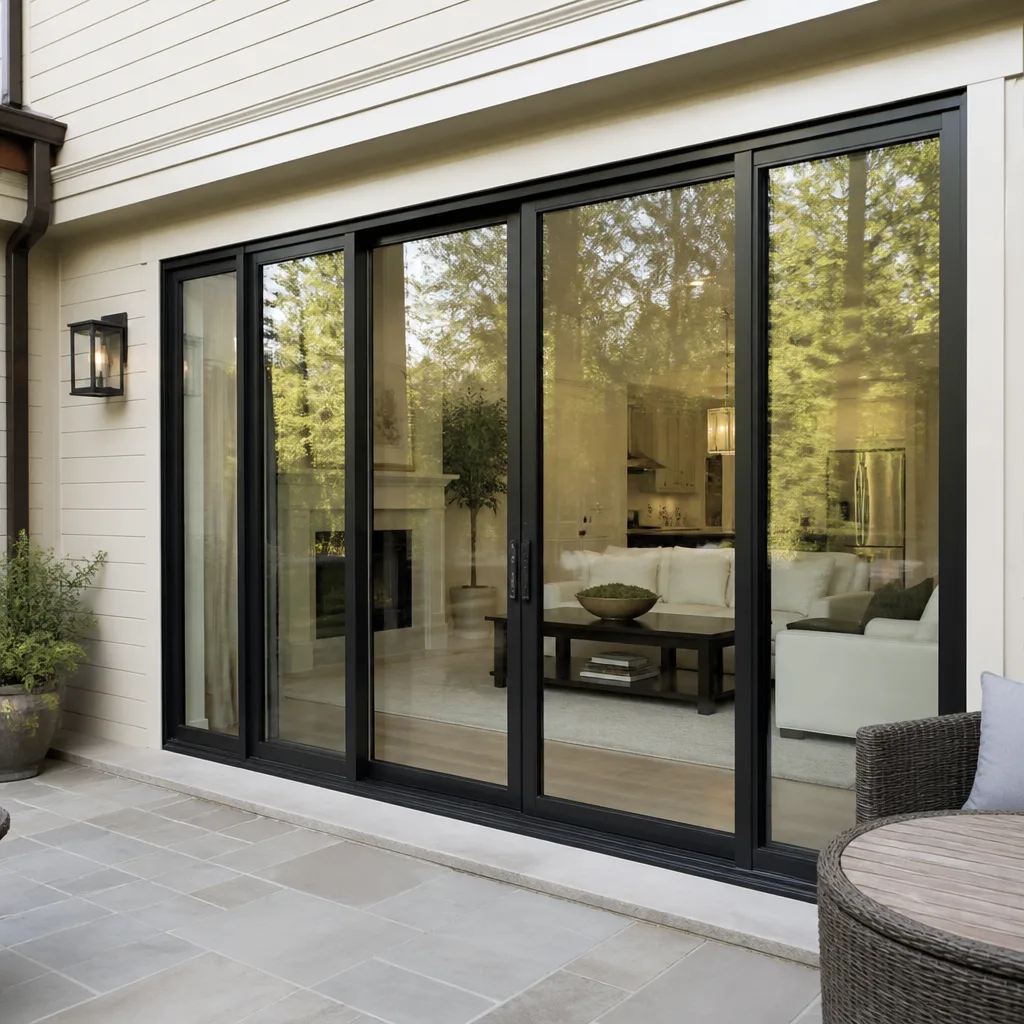 Sliding glass doors
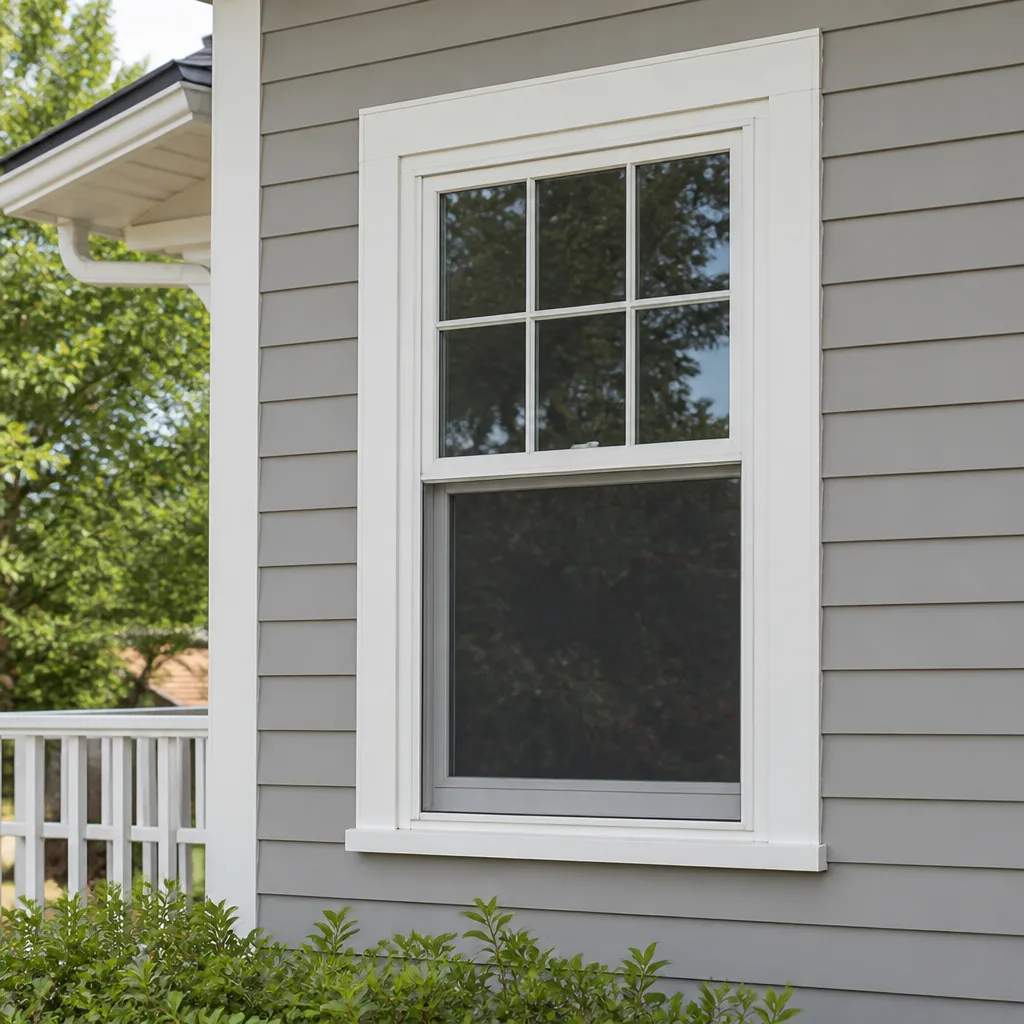 Single hung
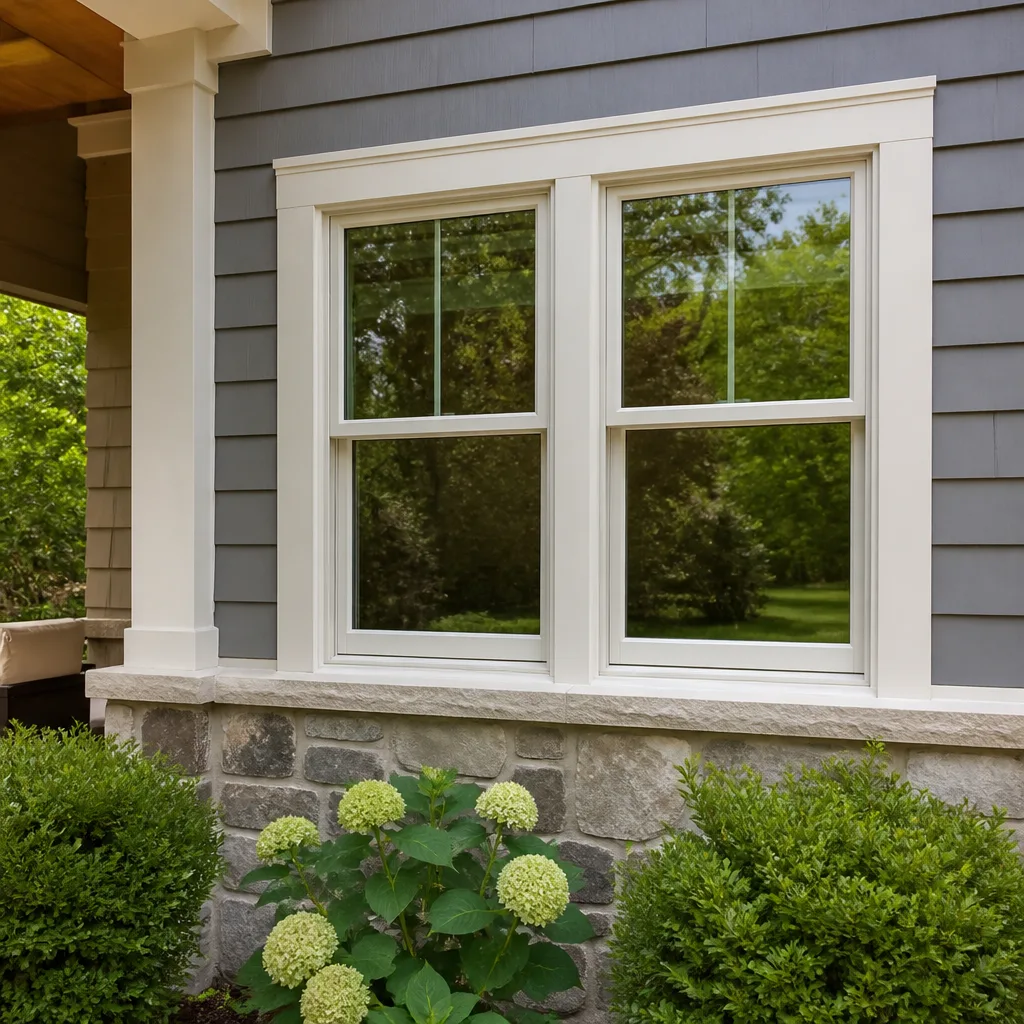 Double hung
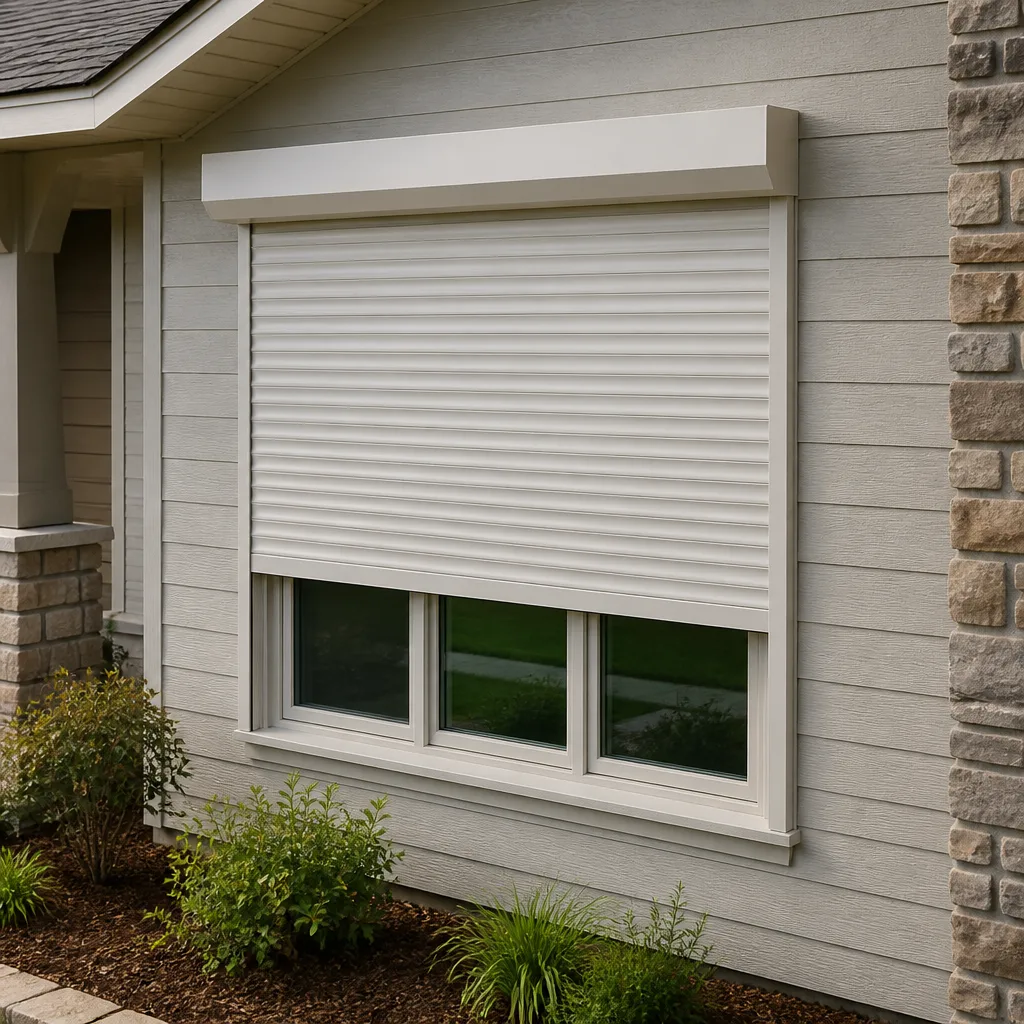 Horizontal roller
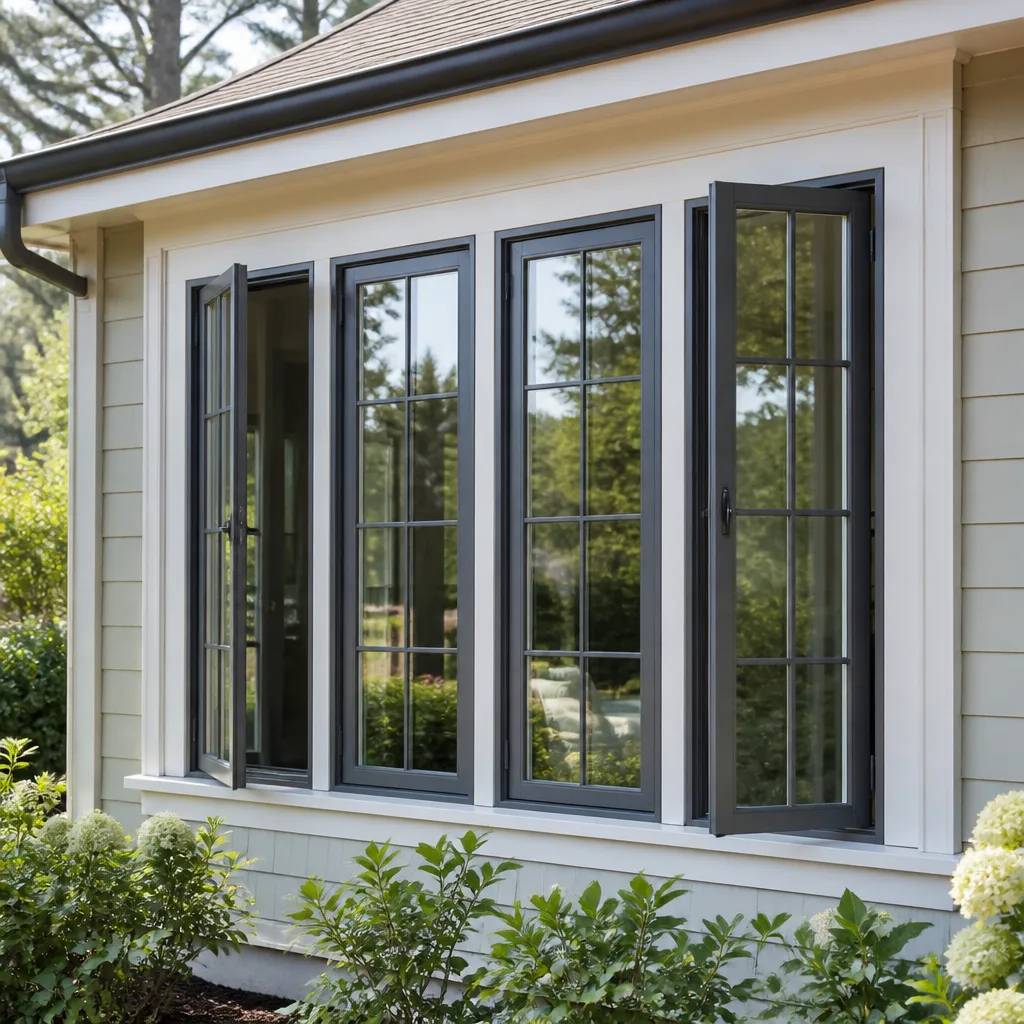 Casement
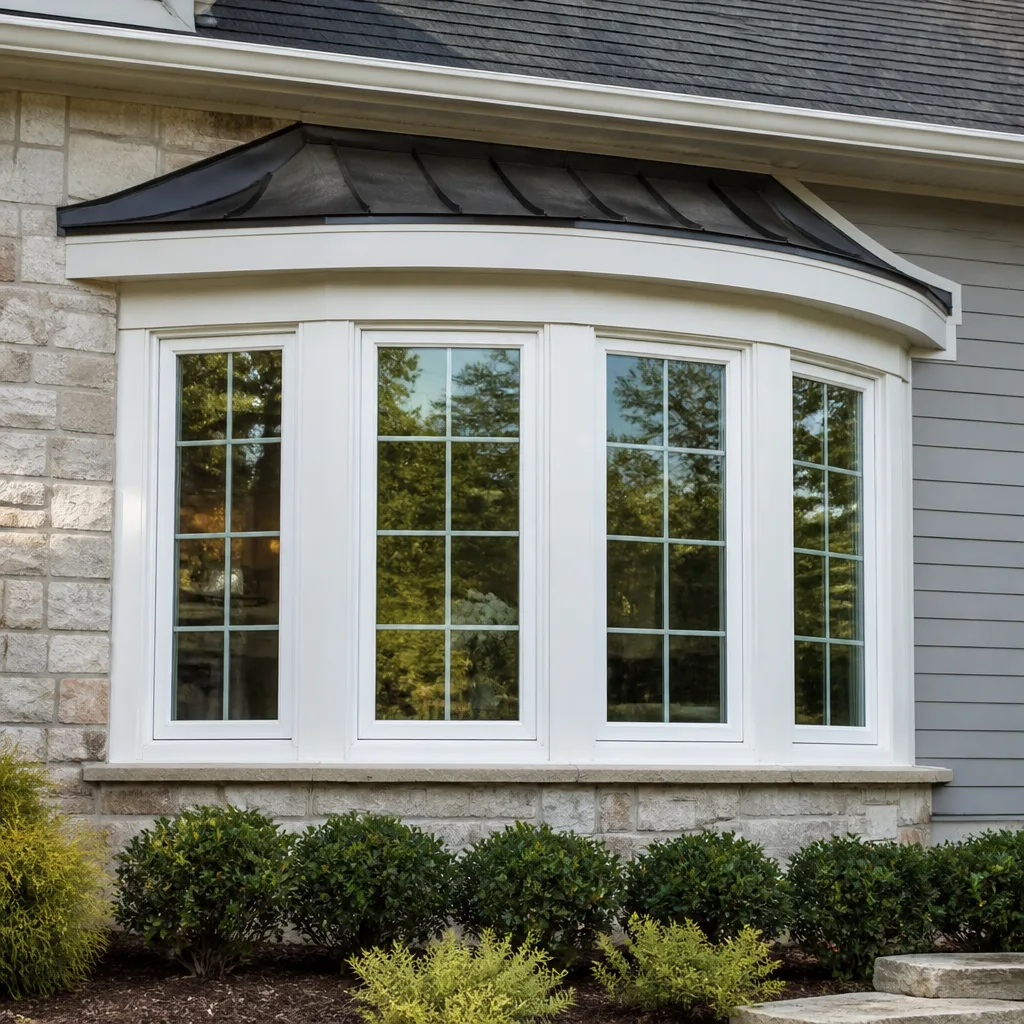 Bay & bow
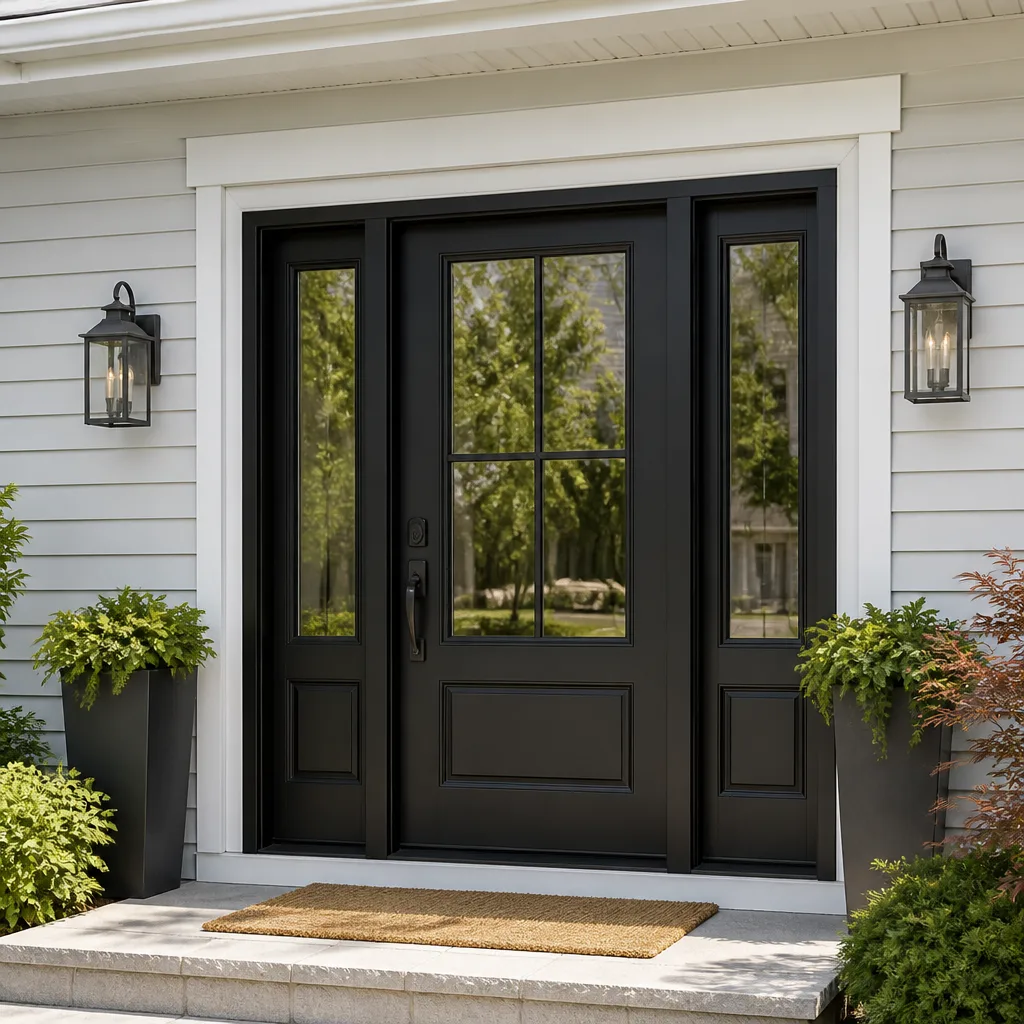 Entry doors
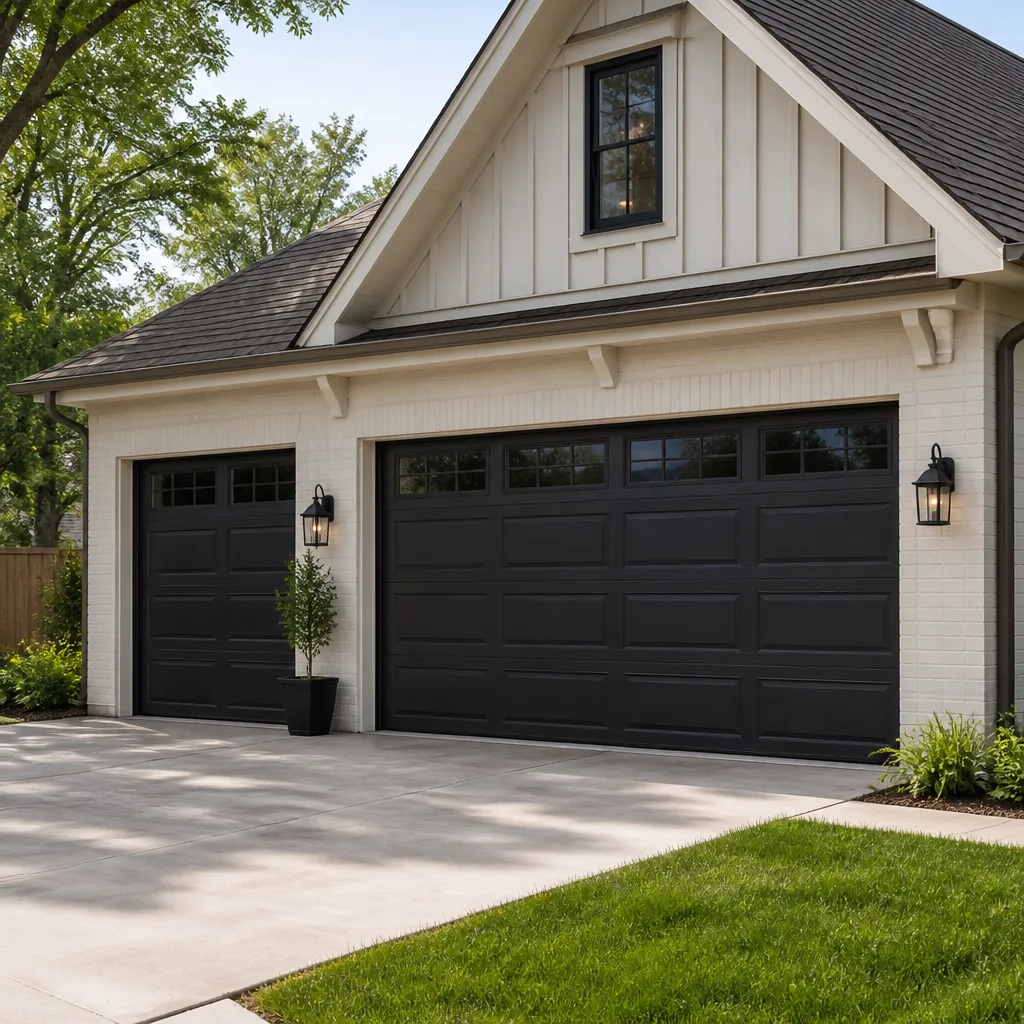 Impact garage doors
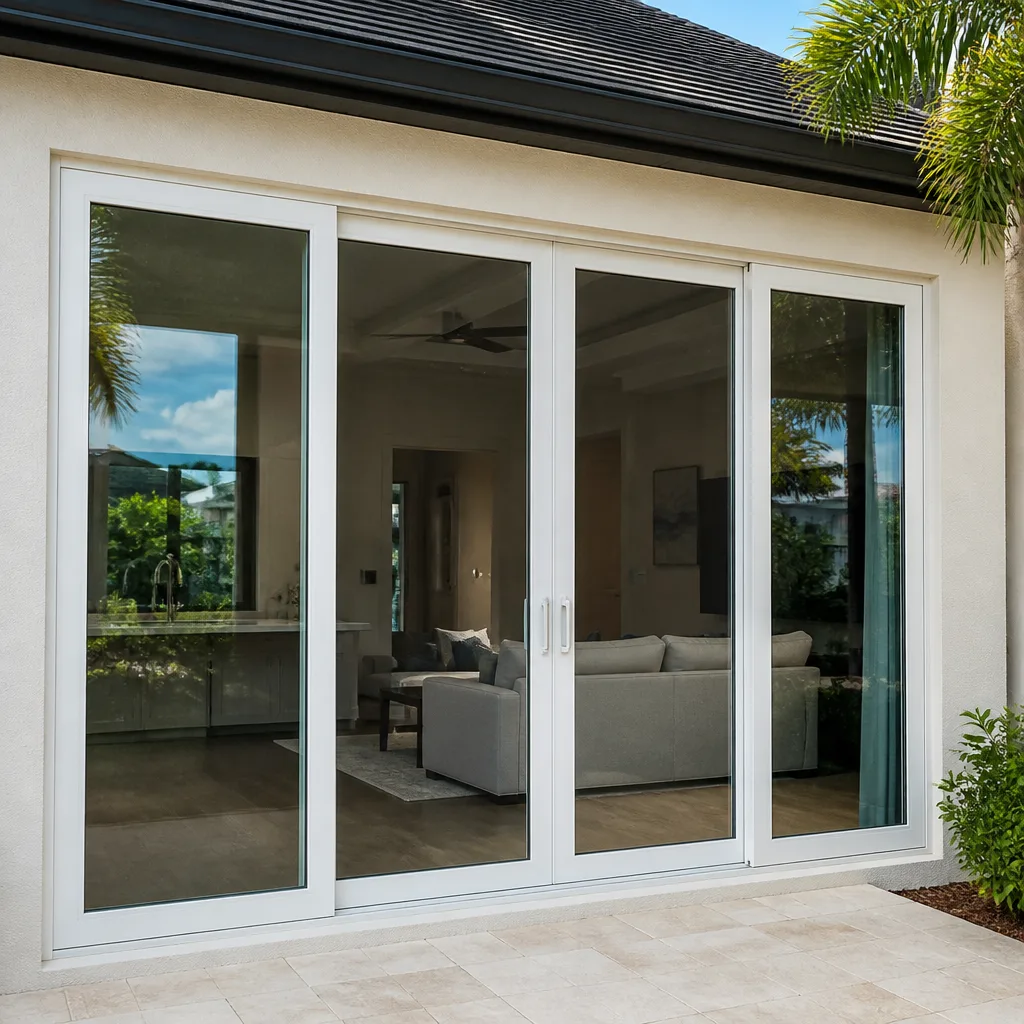 PGT
PGT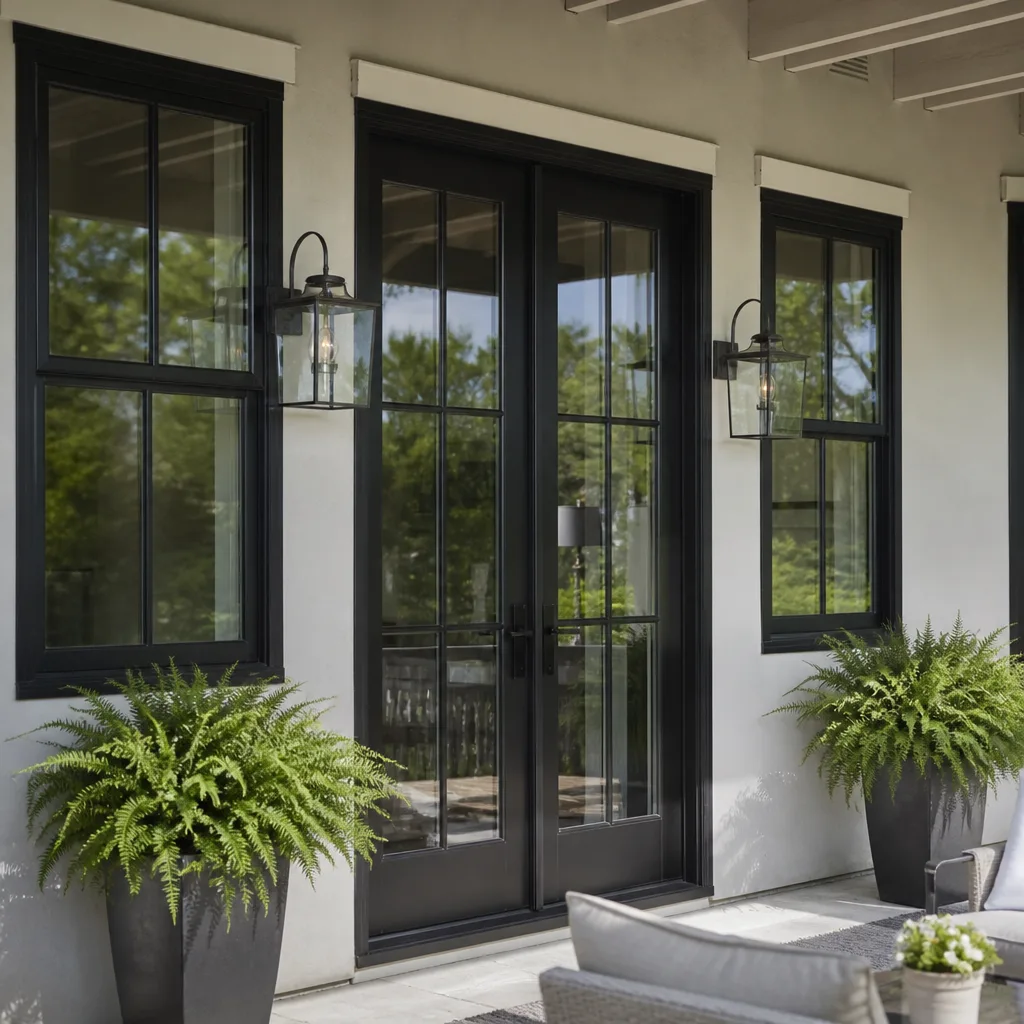 CGI
CGIFree in-home measure and quote - PGT, CGI and CWS impact lines compared on your actual openings, style by style
Get your free estimateHow to Hire a Windows & Doors Contractor in Ventura: A Step-by-Step Guide
Here’s a number that surprises most Ventura homeowners: the majority of window and door failures we see in coastal homes are not product defects. They’re installation defects. A window that fogs between the panes within three years, a door that swells and sticks every June, a frame that leaks around the sill after the first real winter rain – these are almost always traceable to how the unit was flashed, caulked, seated, or sealed. In Ventura, where the marine layer sits on your siding for hours each morning and the salt air works on metal year-round, those installation details matter more than the brand sticker on the glass. This guide walks through how to hire a windows and doors contractor in Ventura who understands those details – before a single measurement is taken – and you can find more guides & resources on our blog.
Styles & brands we work with
Quick Answer
To hire a windows and doors contractor in Ventura, start by verifying their CSLB license classification (C-17 for glazing, B for general building), then interview for technical competence using the five questions in Step 4 below. Require a written, line-itemed quote that names product model numbers, flashing method, sill pan material, caulk brand, and permit handling before you sign anything. In our experience serving Ventura homeowners, the difference between a ten-year window and a thirty-year window is almost always decided by those conversations, not by the price on the quote sheet.
Table of Contents
- Step 1: Verify the License on the CSLB Database
- Step 2: Understand What Ventura’s Coastal Climate Demands
- Step 3: Collect Quotes That Go Deeper Than Price
- Step 4: Ask the Five Technical Questions Every Contractor Should Answer
- Step 5: Read the Permit Section of the Quote
- Step 6: Review the Workmanship Promise and Cleanup Standard
- Common Mistakes to Avoid
- When to Call a Professional
- Frequently Asked Questions
- The Bottom Line
Step 1: Verify the License on the CSLB Database
If a window or door project costs more than $500 including labor and materials, California law requires the contractor to hold a valid state license through the Contractors State License Board. Checking that license takes about ninety seconds and tells you more than a stack of online reviews. Go to the CSLB license lookup page, search the business name or the owner’s name, and check four things.
First, confirm the license is currently active – not suspended, not expired, not pending renewal. Second, look at the classification. For window and door work, a C-17 glazing classification is the most specific credential available. It means the holder has demonstrated competence in the installation of glass, frames, sashes, and related glazing materials. A general B classification is also acceptable and common, particularly for projects that involve structural changes, reframing, or stucco repair around the opening. A C-61 limited specialty classification exists, but it’s narrower in scope – you want to understand exactly what it covers before relying on it for a whole-home window replacement.
Third, check that the license shows no unresolved complaints, judgments, or arbitration awards that were not satisfied. The CSLB publishes this on the same page. Fourth, note the bond status. A current bond is your financial protection if the contractor fails to complete the job or violates the contract – it’s not optional, and a contractor who lets the bond lapse should not be on your property.
One Ventura-specific note: many homeowners assume a locally advertised contractor is automatically licensed. The CSLB database is the only verification that matters. If a contractor hesitates to give you their license number, or gives you a number that doesn’t match the name on their business card, that conversation is over.
Step 2: Understand What Ventura’s Coastal Climate Demands
Ventura’s climate is the reason installation details matter more here than they do twenty miles inland. Three factors show up in our work constantly. The first is persistent marine moisture – the morning marine layer that sits on west-facing walls for hours, especially in neighborhoods from Midtown to the beachside streets off Seaward. That moisture penetrates any exterior seam that isn’t properly protected, and unlike a one-time rain, it does it every single day.
The second factor is salt air. Homes within a mile or two of the Pacific have measurable salt deposition on metal surfaces. Standard hardware purchased at a home center – hinges on a Door Installation in Ventura project, for example – often shows visible corrosion within two to three years. Stainless steel or powder-coated hardware specified for coastal conditions is not an upsell here; it’s a minimum standard. The third factor is temperature swing plus wood movement. Ventura’s summer days and cool nights create expansion and contraction cycles that cause improperly sealed frames to open tiny gaps over time, which is how moisture gets in behind the siding without any visible failure.
When you’re interviewing contractors, pay attention to whether anyone mentions these factors without prompting. A contractor who doesn’t bring up corrosion-resistant hardware for a home on the west side of Ventura, or who doesn’t ask how far you are from the marine influence, is signaling that they haven’t thought through what your specific home needs. The right contractor will ask you about fog patterns, whether you notice moisture on interior sills, how old the current flashing is, and which direction the walls face. Those questions are competence made visible.
Step 3: Collect Quotes That Go Deeper Than Price
The traditional advice is to get three bids and pick the middle one. That advice assumes the three quotes describe the same job, which they almost never do. A cheaper quote usually means something is missing – flashing, a permit, debris removal, or a product line that’s been sitting in a warehouse for three years. For Window Replacement in Ventura, most homeowners can expect to invest between $600 and $1,800 per opening for mid-range to premium products with proper installation, and between $1,200 and $3,500 per opening for full-frame replacement with labor, materials, flashing, and finish work. A quote below that range is not a bargain – it’s an omission waiting to be discovered during the job.
A written, line-itemed quote is non-negotiable. Here’s what we recommend looking for when you review a window or door quote, based on the standard we hold ourselves to at Lightwell:
- Product model numbers, not just brand names. “Milgard window” tells you almost nothing. “ECO Window Systems 5000 Series, dual-pane, low-E, argon-filled” tells you exactly what you’re getting. If a contractor won’t put the model number in writing, assume they intend to substitute something cheaper.
- Labor scope described in plain language. Removal of the old unit, disposal or haul-away, installation, interior and exterior trim work, and paint or caulk finishing should each appear as a line item.
- Flashing and sill pan materials named. Look for terms like “self-adhered flashing tape” or “PVC sill pan” rather than a generic “flashing included” note. The material names are how you know the contractor has a specific plan.
- Debris removal and disposal. Window and door demolition produces a surprising amount of weight – old glass, frames, paint-laden trim. Disposal fees should be in the quote, not added later.
- Permit fees listed separately or clearly included. We’ll cover permits in Step 5, but the quote should not be silent about them.
- Exclusions listed in writing. A good quote says what it doesn’t cover – stucco repair beyond a certain radius around the opening, for example, or lead paint remediation if it’s discovered. Exclusions in writing are a sign of an honest contractor.
At Lightwell, every quote follows this format because of the Cedarwell Care Promise – a written price before any work starts, with no change orders for anything that should have been known at the quote stage. If a contractor you’re evaluating won’t commit to that same standard, that tells you something.
Step 4: Ask the Five Technical Questions Every Contractor Should Answer
This is the section where most guide-writing stops and where the actual hiring decision gets made. You don’t need to be a building scientist to evaluate a contractor’s answers. You just need to listen for specificity. Here are five questions we believe every Ventura homeowner should ask during a window or door estimate, along with what a competent answer sounds like.
Question 1: “What flashing method do you use at the sill?”
The sill – the horizontal surface below the window – is where water wants to collect, and it’s the most common failure point in a coastal installation. A competent answer describes a specific method: “I use a self-adhered flashing membrane, lapped shingle-style so the upper layer sheds water over the lower, with a sloped PVC sill pan underneath for drainage.” A vague answer – “we always flash our windows, don’t worry” – tells you they don’t have a method, or they don’t think you’d understand one. In Ventura’s marine climate, the sill detail is the single most important line of defense.
Question 2: “What sill pan material do you install?”
A sill pan is a formed piece that sits below the window and directs any water that finds its way in back out to the exterior. The material matters. PVC sill pans are standard in competent coastal installations because they never rot and they don’t absorb water. Some contractors skip the sill pan entirely and rely on a bead of caulk, which is how you get slow leaks that rot the framing over a decade without anyone noticing. If a contractor can’t name the sill pan material, or tells you that a sill pan isn’t necessary on your home, that’s a stop sign.
Question 3: “What caulk and sealant do you use, and what’s its ASTM rating?”
This question separates the installers who think about material compatibility from the ones who buy whatever’s cheapest. For exterior sealing around window and door frames in a coastal environment, you want a high-quality polyurethane or modified-silicone sealant rated for movement and UV exposure. ASTM C920 is the specification that covers elastomeric joint sealants – ask if their sealant meets it. Acceptable brand examples include OSI Quad, Sika, and DAP Dynaflex Ultra for interior applications. For Window Installation in Ventura projects near the coast, the sealant is a wear item, not a once-and-done. A contractor who names a brand and a rating has a system. A contractor who doesn’t is guessing.
Question 4: “Do you pull permits, and how do you handle the inspection process?”
In the City of Ventura, most window and door replacement projects where the opening size doesn’t change and the structural integrity isn’t altered can proceed without a building permit. But full-frame replacements that involve changing the rough opening, adding or enlarging openings, or doing structural work require a permit and inspection. A competent contractor knows this distinction without having to look it up, can tell you which category your project falls into, and handles the permit and inspection process from start to finish. If a contractor suggests skipping permits in an HOA-governed neighborhood – and much of Ventura’s east side is in HOAs with architectural review requirements – that’s a red flag. The HOA will find out. The permit protects you, and a contractor who encourages you to avoid one is not protecting your interests.
Question 5: “What’s your frame-to-rough-opening tolerance?”
This is a technical question that will catch a poorly trained installer immediately. The gap between the window frame and the rough opening in the wall has to be correct – too tight and the frame binds as the building moves; too loose and you can’t properly air-seal and insulate. A competent answer references a specific range, typically 1/4 inch to 1/2 inch on each side, with shims used to keep the frame square and plumb, and low-expansion foam or backer rod plus sealant filling the gap. If a contractor looks confused by this question, or says “we make it fit,” they don’t have the training you need.
Step 5: Read the Permit Section of the Quote
The permit conversation reveals a lot about how a contractor operates. Here’s what you need to know as a Ventura homeowner. When a permit is required, the contractor pulls it from the City of Ventura’s Building and Safety Division, schedules any required inspections, and meets the inspector on site. The permit fee itself is a pass-through cost, typically listed as a separate line item or clearly identified as included in the total.
Some quotes bury the permit cost in a vague line called “administration” or “compliance.” Some customers would rather not know what the permit costs; they just want the job done legally. Both of those sentiments are reasonable, but you should still ask. A contractor who can tell you the exact permit fee for your project size has done this in Ventura before.
There’s one more layer in some Ventura neighborhoods: the HOA architectural review committee. Even if the City of Ventura doesn’t require a permit for a like-for-like window replacement, your HOA may require review and approval of the product style and finish. It’s not unusual in gated communities and newer developments on the city’s east side. The right contractor will ask during the estimate whether you have an HOA and whether they have architectural guidelines for windows and doors. The wrong contractor won’t, and you’ll find out when the HOA sends you a violation notice.
The standard we work to at Lightwell is simple: every permit that’s required gets pulled, every inspection gets scheduled, and the permit status is noted on the written quote before you sign. If you’re comparing quotes and one contractor’s quote is silent on permits, ask directly. Their answer will tell you what you need to know.
Step 6: Review the Workmanship Promise and Cleanup Standard
The final step before hiring is less about the product and more about the experience you’ll have from the first measurement to the final walkthrough. The contractor you choose is going to be inside your home for one to three days on a typical Lightwell Windows Ventura home project. Their behavior during that time matters as much as their technical skill.
Here’s what we recommend looking for. First, a written workmanship warranty. Product warranties from manufacturers are normal and expected. But a workmanship warranty is different – it’s the contractor standing behind their own labor. At Lightwell, that’s the 365-Day Done Right Promise: if the finished work is not right, we make it right. No debate, no countdown. If a contractor you’re evaluating can’t articulate their workmanship warranty in writing, assume it’s as long as the check clears.
Second, ask about on-site behavior standards. The people who install your windows will be in your home, around your kids’ nap times, around your pets. We’ve built our C.A.R.E. values around this: Clean up like it is our own home, Ask before we move or touch anything, Respect the family’s time and quiet hours, Explain the price before the work. Shoe covers and drop cloths on every visit. A photo of the clean-up before the crew leaves. Pet-safe products wherever there’s a choice. If a contractor is vague about these questions – “oh, our guys are clean” – that’s not an answer. The estimate conversation is where you should hear specifics.
Your home’s comfort, your kids’ bedroom windows, your back door in a home full of kids and pets – these aren’t small details. They’re the reason you’re replacing windows in the first place. A light well is what brings daylight deep into a building; that’s what a well-installed window should do for your home.
Common Mistakes to Avoid
- Hiring on price alone. In our experience in Ventura, the lowest bid on a window or door job is almost always the one that omits flashing, skips the sill pan, or uses hardware that’ll be corroding in two years. The price gap between a competent installation and an incompetent one narrows fast once you add back everything that was left out.
- Not checking the CSLB license because the quote looked professional. A clean website and a printed quote do not equal a valid contractor license. Ninety seconds on the CSLB database answers the question for good.
- Signing a quote that doesn’t list product model numbers. If the model number isn’t on the quote, you have no idea what window you’re actually buying. That’s a substitution waiting to happen.
- Letting the contractor skip permits in an HOA neighborhood. The HOA’s architectural review process exists whether you participate in it or not. Non-compliance becomes a resale problem later, even if nobody notices at first.
- Not asking about the flashing and sill pan details at the estimate. Every contractor says they flash their work. The specifics of how, and with what, are what separate a 10-year installation from a 30-year installation.
- Accepting a verbal workmanship warranty. “If anything goes wrong, just call us.” If it’s not in writing, it doesn’t exist. The 365-Day Done Right Promise goes on every Lightwell quote in writing because that’s the only way a promise is a promise.
- Forgetting to ask about cleanup and on-site behavior before signing. You’re not just buying windows. You’re buying three days with a crew in your living room. The answer to “how do you handle my floors and my kids’ nap schedule” tells you what kind of three days they’ll be.
When to Call a Professional
Windows and doors sit at the intersection of two systems you live inside every day: the waterproofing envelope and the structural opening. When either one fails, you’re not facing a weekend project. You’re facing water damage, drywall repair, or worse. Here are the scenarios where you should not attempt a DIY repair or a handyman fix. Visible moisture or fogging between panes means the seal has failed and the unit is compromised. Visible water staining around the interior of a window or door frame means the flashing has already failed and you need to know how far water traveled before it showed up. A door that’s shifted and now drags against the jamb often indicates movement in the surrounding framing, not a hinge adjustment. Sticking windows on the west side of your home near the coast are frequently salt-air corrosion in the tracks, not a lubrication issue. If you’re seeing any of these signs, a trained professional should be the next phone call. Lightwell Windows Ventura offers free estimates in Ventura – call (559) 257-2350 and we’ll tell you what we’re looking at, what it means, and what your options are.
Frequently Asked Questions
For most Ventura homes, expect to pay between $600 and $1,800 per window opening for mid-range to premium products with proper installation, and between $1,200 and $3,500 per opening for full-frame replacement that includes flashing, framing repairs, and finish work. See our Windows & Doors Cost Breakdown: The Ventura Homeowner’s Reference for 2026 for a detailed breakdown of where every dollar goes. Coastal homes often fall toward the higher end because corrosion-resistant hardware and marine-rated sealants cost more than standard inland components. Call (559) 257-2350 for an exact quote on your specific openings – estimates are free.
Like-for-like replacements where the rough opening doesn’t change usually proceed without a building permit in the City of Ventura, but full-frame replacements, opening enlargements, and structural work require a permit and inspection. Your HOA may also have architectural review requirements separate from the city. A licensed contractor will tell you which category your project falls into during the estimate.
Ask about the flashing method and sill pan material at the sill. It’s the single most common failure point in coastal installations, and a contractor’s ability to name a specific method and material tells you whether they understand waterproofing or just know how to measure a hole and set a window in it.
Getting multiple quotes is reasonable, but the point is not to find the middle price. It’s to compare the assumptions, exclusions, and technical depth across quotes. Two quotes can differ by 40% not because one contractor is greedy, but because one included flashing, permits, and product model numbers while the other left everything vague.
The Cedarwell Care Promise is the operating standard for Lightwell: a written price before any work starts, shoe covers and drop cloths on every visit, a photo of the clean-up before the crew leaves, pet-safe products wherever there’s a choice, and the 365-Day Done Right Promise that if the finished work is not right, we make it right. It’s the benchmark we measure our own work against, and it’s a useful checklist for evaluating any contractor’s quote.
A single window or door replacement on a like-for-like basis is typically a half-day to a full-day job. A whole-home replacement of ten to fifteen openings usually takes two to four working days, depending on access, stucco repair around the openings, and any unexpected framing conditions discovered during installation. Weather delays from marine-layer moisture are the exception, not the rule, with proper flashing and sealing.
The Bottom Line
Hiring a windows and doors contractor in Ventura is less about collecting bids and more about preparing an interview. Verify the CSLB license and classification first. Listen for whether the contractor brings up corrosion-resistant hardware, marine-rated sealants, and flashing details before you have to ask. Require a written, line-itemed quote with product model numbers, named flashing and sill pan materials, permit handling, and a workmanship warranty in writing. The lowest price is rarely the most honest quote – in coastal Ventura, it’s usually the one with something missing. Ask the five technical questions, review the promise, and make your decision knowing exactly what you’re buying.
Written by Keith Yamada, Owner at Lightwell Windows Ventura, serving Ventura since 2010.
See the difference
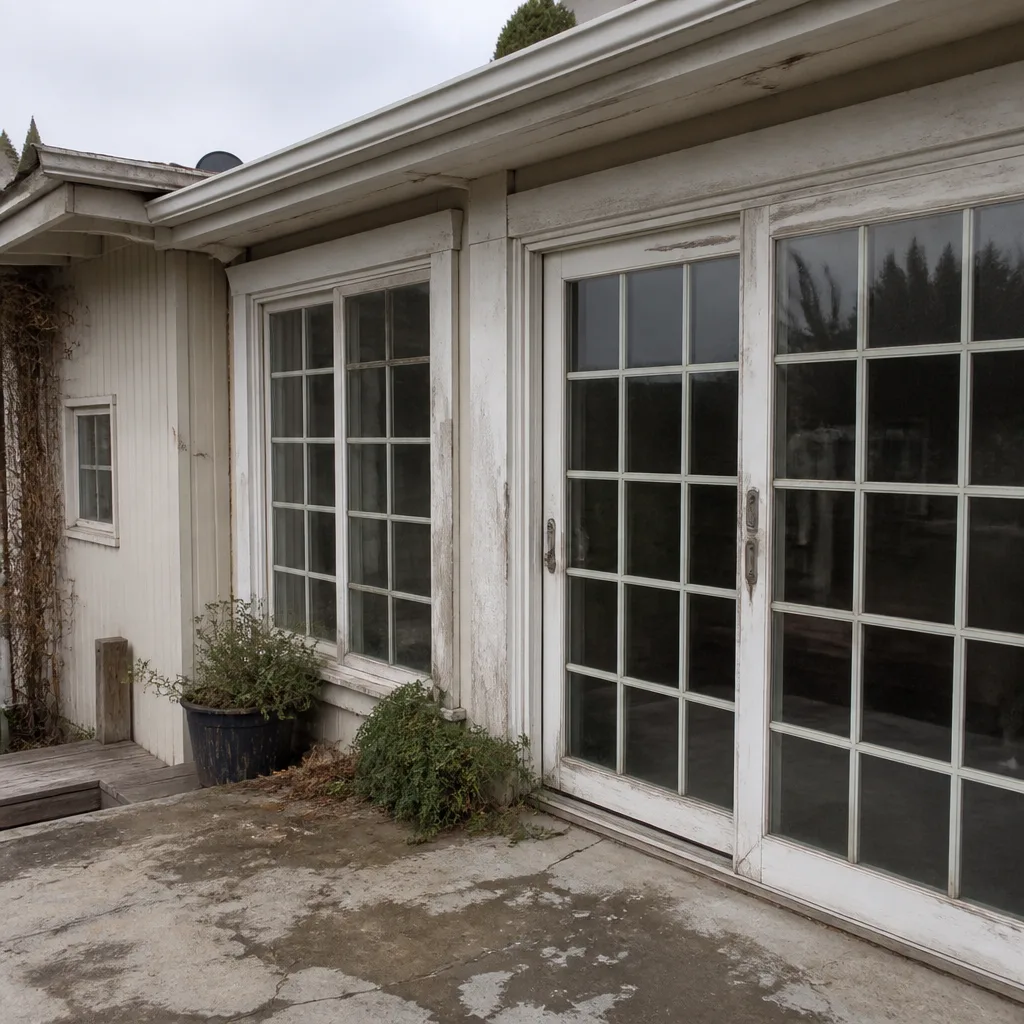 Before
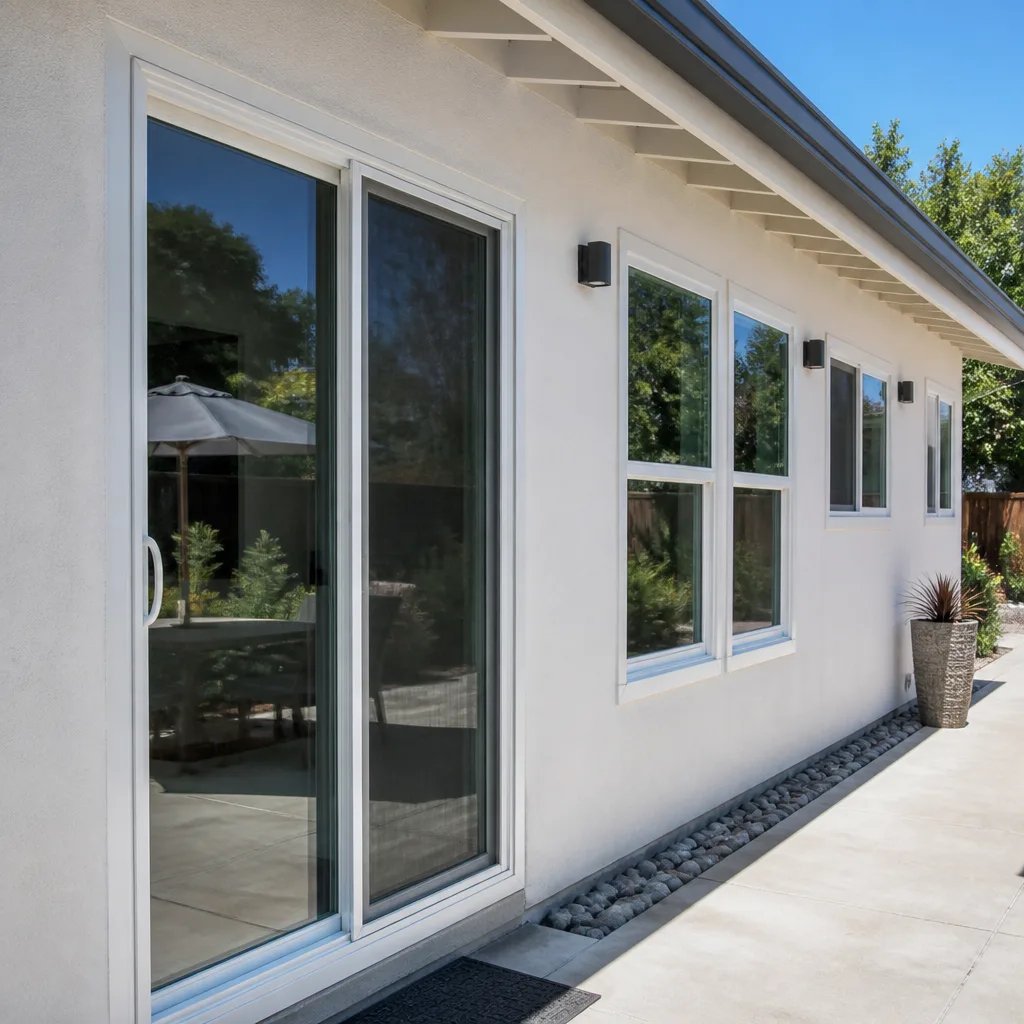 After
After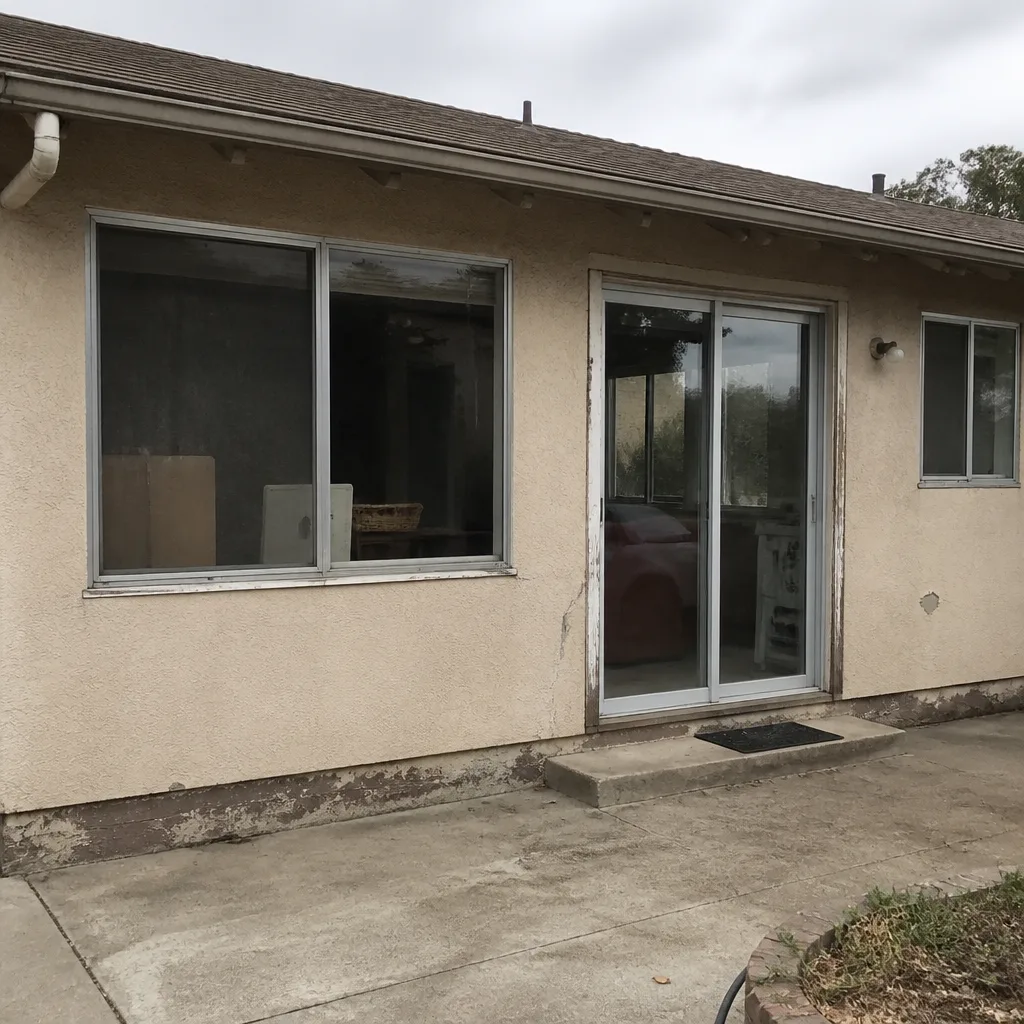 Before
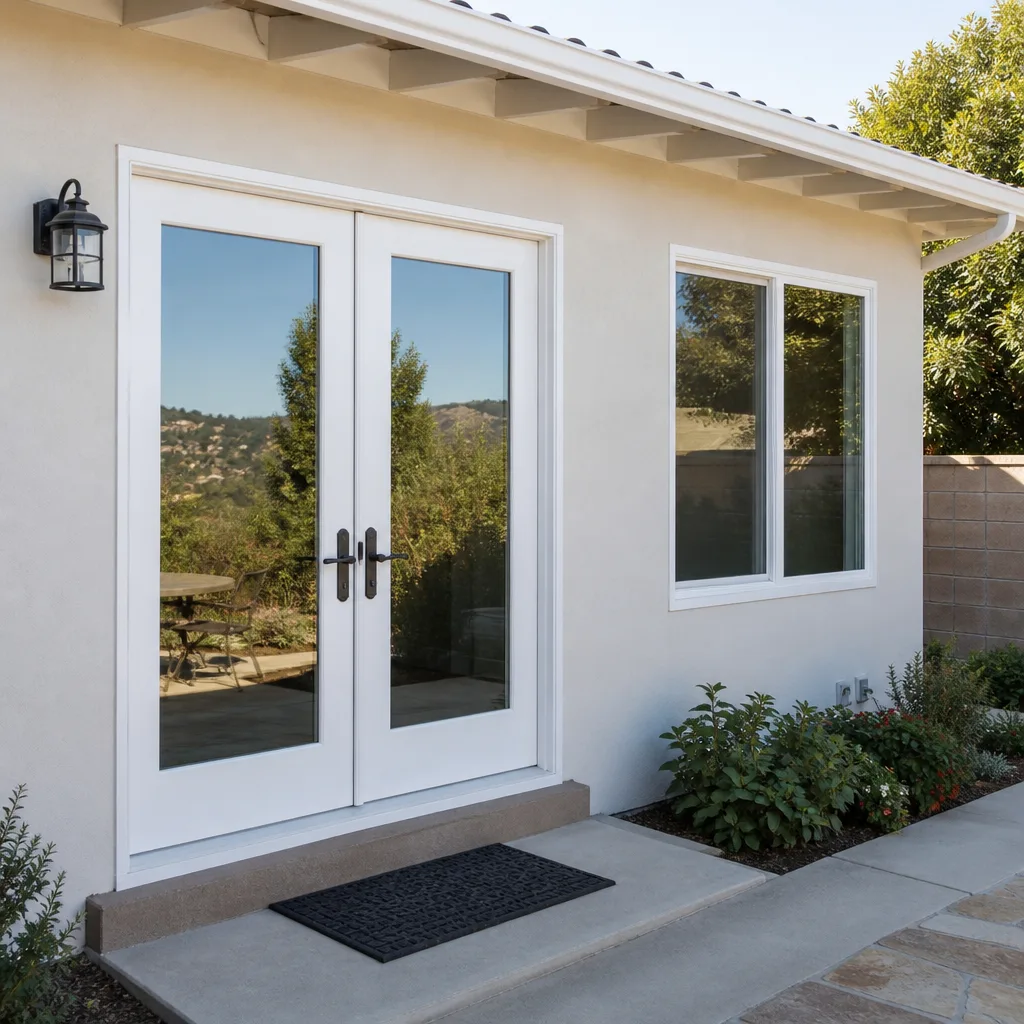 After
After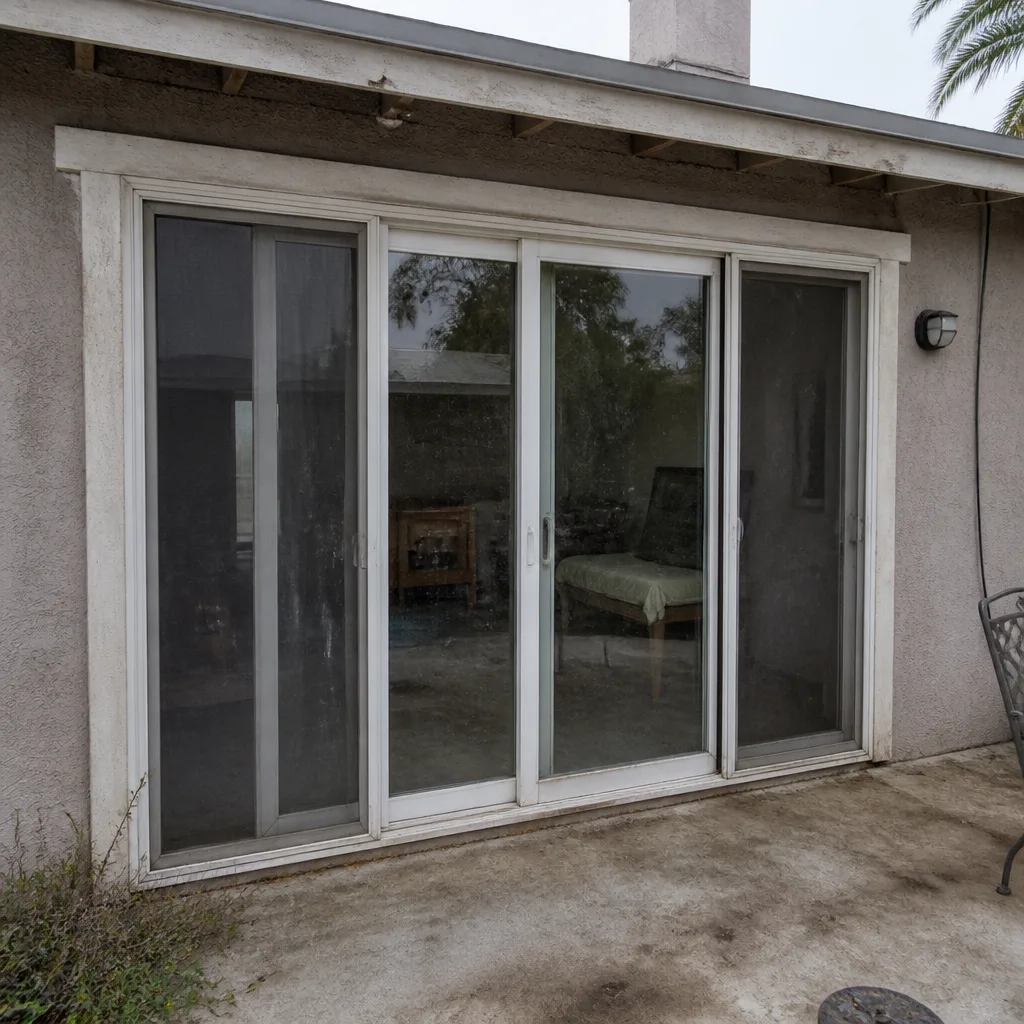 Before
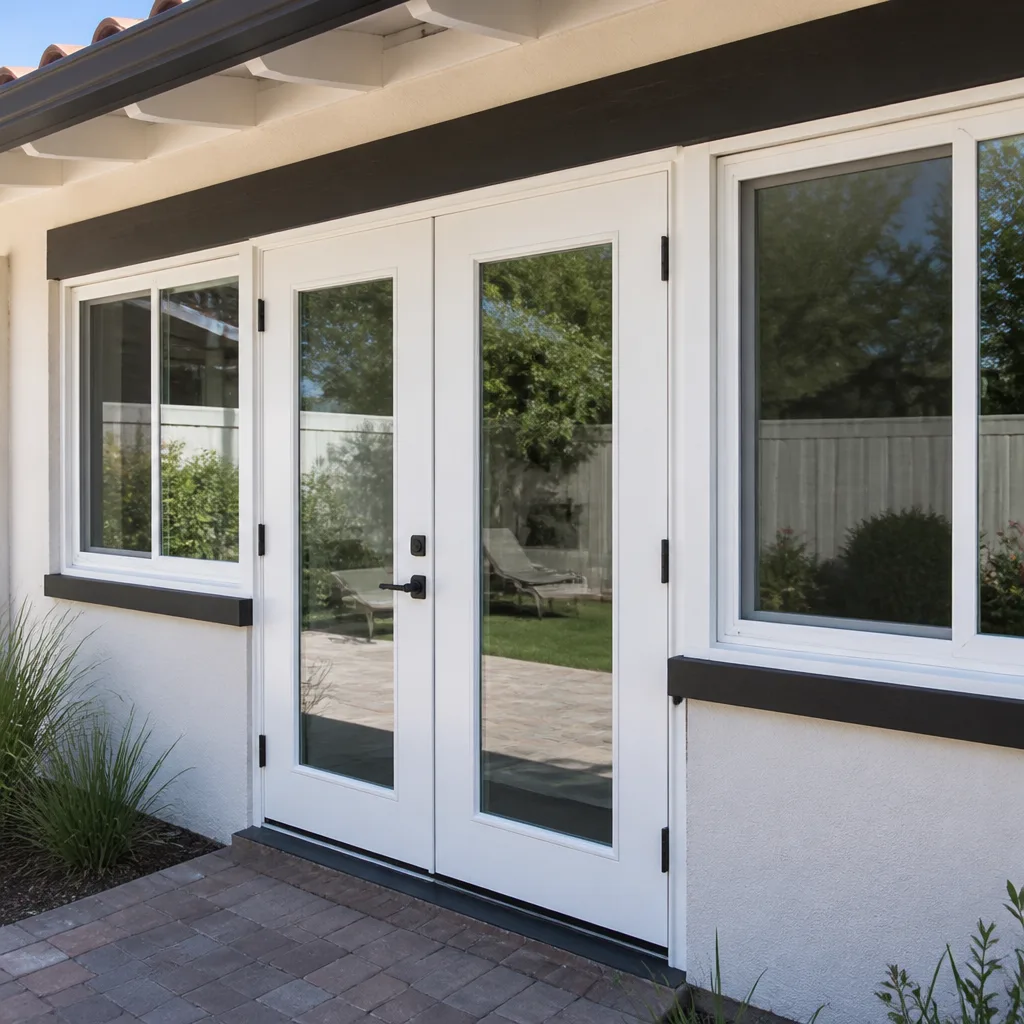 After
AfterSix Reasons Homeowners Choose Lightwell Windows Ventura
Laminated glass and reinforced frames hold up to wind-driven rain, hail and flying debris, so your openings stay sealed when the weather turns.
Low-E insulated impact glass from our manufacturer lines commonly cuts monthly cooling bills 20-30%.
Laminated impact glass shuts out up to 40% of outside noise - traffic, neighbors, weather.
Monitoring services run $30-90 a month. Laminated impact glass resists forced entry around the clock, with no subscription.
Tighter seals and insulated glass even out hot and cold rooms and stop the drafts at the frame.
A full impact package upgrades curb appeal, buyer confidence and appraised value in one project.