
Last updated October 17, 2026
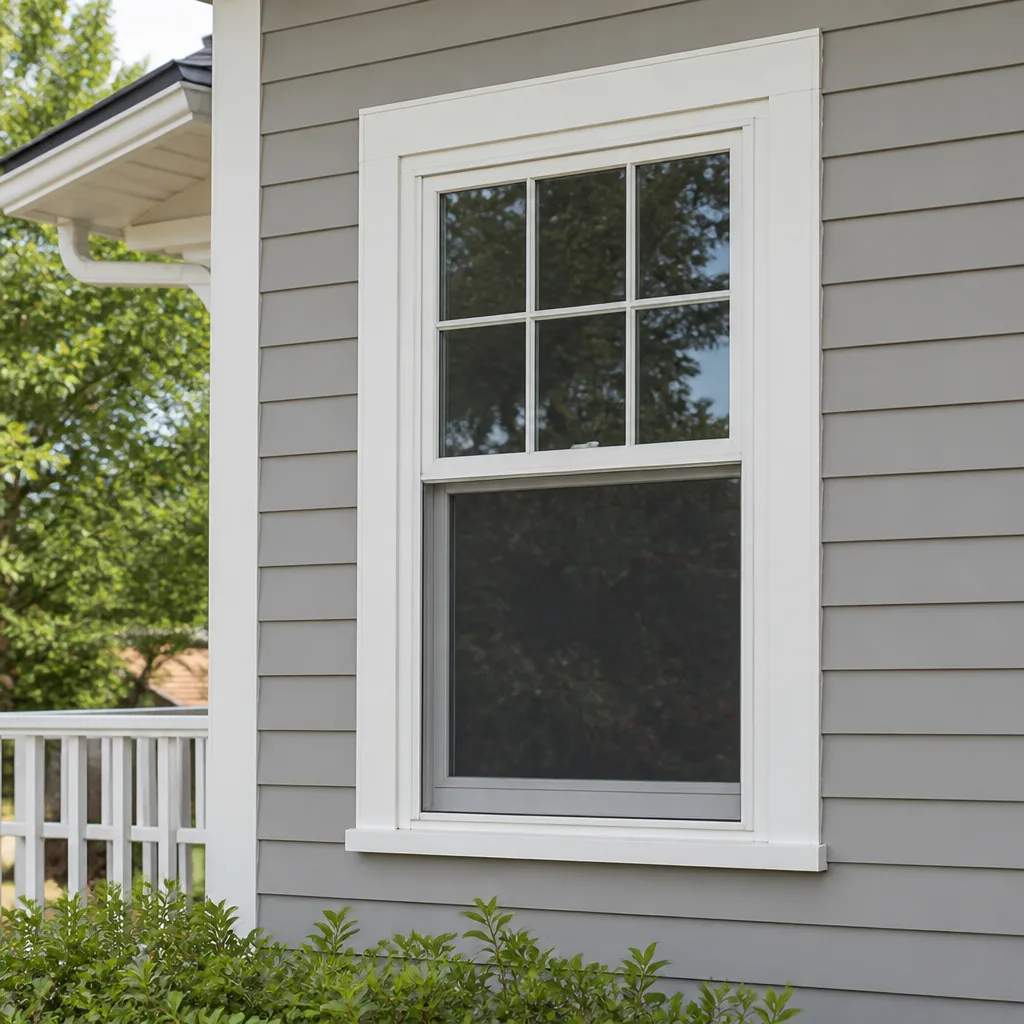 Single hung
 Double hung
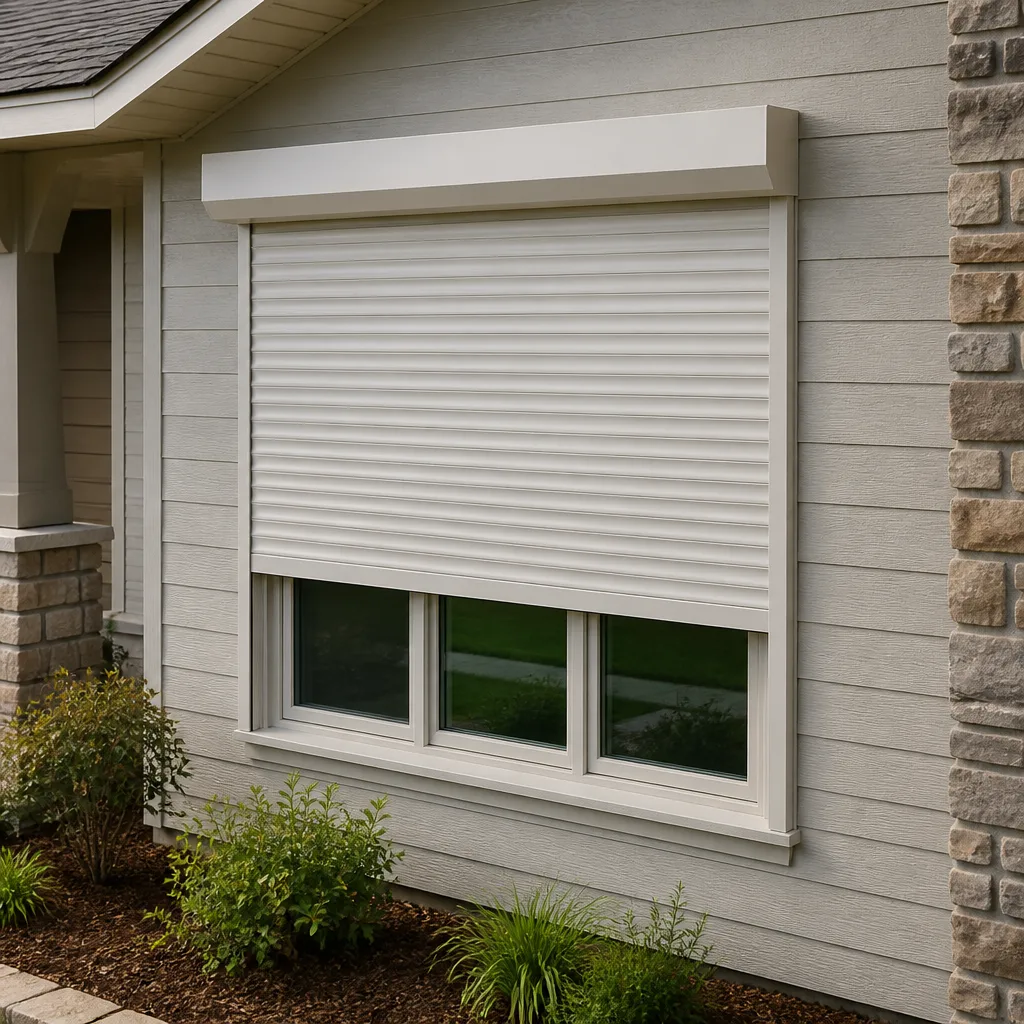 Horizontal roller
 Casement
 Bay & bow
 Sliding glass doors
 Entry doors
 Impact garage doors
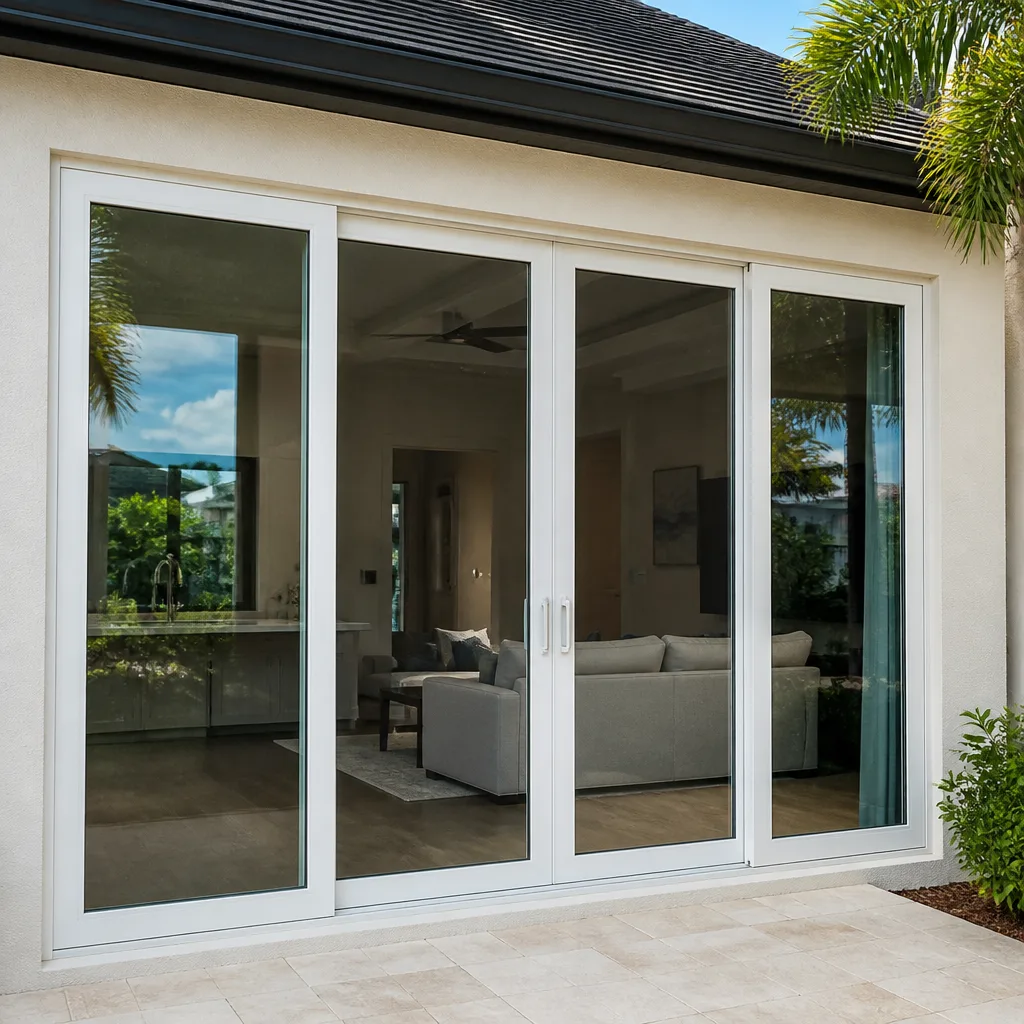 PGT
PGT CGI
CGIFree in-home measure and quote - PGT, CGI and CWS impact lines compared on your actual openings, style by style
Get your free estimateWindow Replacement Maintenance Checklist for Ventura Homeowners
Insurance adjusters and window contractors agree on one thing: most Ventura window failures they see were visible six to eighteen months before the damage showed up indoors. The signs were there. A compressed weatherstrip, a weep hole packed with silt, a faint mineral haze forming between panes. Nobody had a checklist that told them what to look for, so the gap widened, the water found its way in, and a $25 fix became a $4,000 replacement. This guide changes that. You’ll learn exactly what to inspect, when to inspect it in Ventura’s coastal climate, what measurements separate a passing window from a failing one, and which tasks belong on your ladder versus which belong on a contractor’s work order.
Styles & brands we work with
Quick Answer
A window replacement maintenance checklist for Ventura homeowners is a quarterly inspection record covering weatherstripping compression, sill drainage, seal integrity, and hardware operation, timed to Ventura’s marine-layer and Santa Ana seasons. Most homeowners can complete the inspection in under an hour using a flashlight, a dollar bill, and a chopstick. The goal is documentation, not perfection: a dated log showing small changes over time tells you and any contractor exactly when a window began to fail.
Table of Contents
- A Quarterly Inspection Calendar Built for Ventura’s Actual Seasons
- Weatherstripping Compression: The Dollar Bill Test and What the Numbers Mean
- Sill Drainage and Weep Holes: Why Marine Layer Mornings Are Your Best Inspector
- Seal Integrity: The Flashlight Test That Separates Surface Condensation from Failed Seals
- The Maintenance Log: A Living Document for Each Window and Door Unit
- DIY Tasks vs. Contractor Tasks: What Voids a Manufacturer Warranty
- Hardware, Tracks, and Operation: What Ventura Homeowners Overlook
- Common Mistakes to Avoid
- When to Call a Professional
- Frequently Asked Questions
- The Bottom Line
A Quarterly Inspection Calendar Built for Ventura’s Actual Seasons
Generic advice says inspect your windows in spring and fall. That advice was written for houses in Ohio. Ventura’s calendar runs differently, and your maintenance schedule should follow the weather patterns that actually stress window assemblies here: the persistent spring marine layer, the dry offshore Santa Ana winds that kick up in fall, and the occasional winter rain that arrives hard and fast between long dry spells.
Here is the sequence we recommend for Ventura homes.
- March to April (post-marine-layer spring): The marine layer sat on your west-facing windows for months. Inspect weep holes on any window that faces the ocean or the Channel Islands. Packed silt and salt residue are your primary concerns. Check weatherstripping on north-facing windows, which stayed damp longest and often go through the most compression-relaxation cycles.
- June to July (dry summer): Low humidity is when you’ll spot the earliest signs of seal failure. Failed insulating glass units show their haze most clearly when outdoor humidity is low. Run the flashlight test (described below) on every south-facing and west-facing window now.
- September to October (pre-Santa Ana fall): This is the critical inspection. Santa Ana winds drive dust and fine grit into tracks, weep channels, and weatherstripping at pressures that ordinary coastal breezes never approach. Clean all tracks and check compression depth now, before the first event. A window that barely passes in September may fail by November.
- December to January (winter rain prep and review): Check slope on all exterior sills. Ventura’s long dry spells cause caulk to shrink and pull away from stucco and wood trim, and the first hard rain exploits those gaps. This is also when you should review the year’s log and note any unit that showed gradual decline across multiple inspections.
The key here is that each inspection has a different focus. You are not repeating the same task four times a year; you are checking the specific failure mode that each Ventura season triggers. Most window replacement in Ventura work we perform follows a pattern: the homeowner noticed something once, made a mental note, and never saw it again until water appeared. A quarterly calendar prevents that.
Weatherstripping Compression: The Dollar Bill Test and What the Numbers Mean
Weatherstripping is the first line of defense against Ventura’s damp marine air and the dust Santa Ana winds push through every gap. When it works, you do not notice it. When it flattens, the window still closes and latches fine, and that is exactly why it fails silently.
Here is the test and the numbers that matter.
- Close and latch the window. Do not just push it shut; engage the lock completely.
- Insert a dollar bill between the sash and the frame at three points: the top corner, the middle of the meeting rail, and the bottom corner.
- Try to pull the bill out with the window closed. You should feel firm resistance. The bill should not slide out freely.
- Compare the resistance. A new or healthy weatherstrip grips the bill firmly and evenly. A failing strip lets the bill slip out with a soft tug, or offers no resistance at all in one corner while gripping tightly in another.
What do the numbers look like in this test? A healthy compression seal holds the bill tightly at all three points. A marginal seal grips at two points but lets the bill slide from the third. A failed seal lets the bill fall out under its own weight or slide with zero friction. If you are seeing marginal on two or more windows, plan for replacement weatherstripping before winter. If you see failed on any window, the air exchange you are paying for is measurable on your utility bill, and the window is doing nothing to block salt air from reaching interior surfaces.
For homeowners who want a numeric measurement: compression depth on bulb-style vinyl weatherstripping should be between 25% and 50% of its uncompressed height. Less than 25% means the strip is not sealing. More than 50% means the sash is over-compressed, which usually indicates a misaligned frame or a hinge that has worn past its adjustment range. A digital caliper will give you the reading in seconds, and recording the number in your maintenance log gives you a trend line across seasons.
Sill Drainage and Weep Holes: Why Marine Layer Mornings Are Your Best Inspector
Every exterior window has weep holes: small slots or channels at the bottom of the frame that let water drain from the track to the outside. In Ventura, those weep holes quietly collect what the marine layer deposits on your glass every night. Condensation runs down the pane, picks up dust and salt from the glass surface, and carries it into the track. When the water evaporates, the silt stays. Over six to nine months, enough silt accumulates to plug the weep holes completely.
The test is simple. On a morning when the marine layer has left water on your windows, watch what happens. Water should exit through the weep holes and drip down the exterior sill. If water pools in the interior track and stays there, your weep holes are partially or fully blocked. If you see a narrow line of mineral staining running from the weep hole down the exterior wall, that tells you water has been draining correctly but the weep hole itself is beginning to narrow from mineral buildup.
Clearance matters here. Weep holes should have at least 1/8 inch of visible open clearance below the bottom of the track. Anything less, and water backs up during a hard rain and starts finding other exits: under the sill, into the wall cavity, or into the interior side of the frame. Use a chopstick or a bamboo skewer to gently clear the hole, not a metal tool, which can scratch the frame finish and create a corrosion point in Ventura’s salt air. Flush the track with clean water afterward and verify the water drains fast. If it drains slowly or not at all even after clearing, the drainage channels inside the frame may be blocked, and that is a contractor-level fix.
We regularly see this on homes west of the 101 in the Ventura Avenue and Midtown areas, where fog exposure is highest. The windows are not failing; the drainage is simply overwhelmed by how much moisture this climate puts on the glass. A quarterly drain check keeps these frames dry and extends the life of the window by years.
Seal Integrity: The Flashlight Test That Separates Surface Condensation from Failed Seals
Condensation confuses nearly every Ventura homeowner. You see moisture on a window and you assume the window is leaking or the seal has failed. Most of the time, you are looking at surface condensation, which is an indoor humidity issue, not a window defect. Failed seals look different, and there is a simple flashlight test that tells them apart in ten seconds.
Here is how to run it.
- Wipe the glass clean on both sides with a dry cloth. If the moisture wipes away and stays away, it was surface condensation.
- Turn off the room lights and wait about thirty seconds for your eyes to adjust.
- Hold a flashlight at a 30-degree angle about six inches from the glass, and look at the reflected light on the inside face of the exterior pane.
- Look for a faint white or gray haze that seems to float between the two panes of glass. It looks almost like a thin fog trapped inside a sandwich. If you see that haze, the insulating glass seal has failed and the desiccant inside the spacer is saturated.
- Check the corners first. Seal failures almost always begin at a corner or along an edge, not in the middle of the glass. A haze that is uniform across the entire pane usually means surface film or hard-water staining. A haze that starts at one corner and creeps inward means failed seal.
The distinction matters enormously for your maintenance budget. Surface condensation is a ventilation problem. A failed seal is a physical defect in the insulated glass unit. One gets fixed by running a bathroom fan or adjusting indoor humidity. The other requires either glass replacement or, depending on the window’s age and condition, a full window installation in Ventura. Knowing which one you are looking at saves you from replacing a window that only needed a dehumidifier, and from ignoring a sealed unit that is slowly losing its insulating gas and turning into a single-pane window that happens to have two pieces of glass.
For Ventura homeowners specifically: the marine layer keeps outdoor humidity high enough that surface condensation is common on cool mornings, even in homes with normal indoor humidity. Do not panic at the first sign of dew. Run the flashlight test before you pick up the phone.
The Maintenance Log: A Living Document for Each Window and Door Unit
A checklist you complete and throw away is a hobby. A checklist you record into a living document is an asset. The difference is a maintenance log that travels with the house and tells a story about each individual window unit over time.
Here is the log format we recommend keeping, either in a notebook, a spreadsheet, or a notes app. One page or one tab per window or door unit.
- Unit identifier: Front window left, north master bedroom, sliding door rear, and so on.
- Date of inspection: Always the same four inspection windows each year, but any extra check should be logged too.
- Weatherstripping reading: Pass, marginal, or fail, with a note on which of the three test points slipped.
- Weep hole status: Clear, partially blocked, cleared today, or blocked after clearing.
- Seal appearance: No haze, corner haze, edge haze, or full-pane haze, with a note on which corner or edge.
- Hardware operation: Opens and closes normally, catching, squeaking, loose handle, or lock misaligned.
- Action taken: Cleaned weep holes, lubricated track, adjusted strike plate, or no action.
- Follow-up needed: Yes or no, with a specific date if yes.
Why keep this log? Because two years from now, when you notice a haze in the corner of the south-facing living room window, you can open the log and see exactly when that haze first appeared and whether the weatherstripping on that same unit was already marginal in the previous quarter. That history tells a contractor an enormous amount. It tells them how fast the unit is degrading, whether the failure pattern matches a manufacturing defect or an installation issue, and whether the adjacent windows are likely to follow. It also tells an insurance adjuster that the homeowner maintained the property, which matters in any water-damage claim involving a window opening.
A homeowner who can produce a dated log during a claim conversation is in a different position than one who says “I think I noticed something a while back.” That log is a record of reasonable care. In Ventura, where coastal exposure accelerates seal and hardware wear compared to inland climates, a documented maintenance history can be the difference between a covered claim and a denied one.
DIY Tasks vs. Contractor Tasks: What Voids a Manufacturer Warranty
Some window maintenance tasks are yours. Some belong to a licensed contractor. The line between them matters because crossing it can void a manufacturer warranty on a window that still has years of coverage left.
Here is the split as clearly as we can draw it.
Safe DIY tasks, no warranty risk:
- Cleaning weep holes and verifying drainage.
- Testing weatherstripping compression and noting the results.
- Running the flashlight seal inspection.
- Cleaning tracks with a vacuum and a dry cloth.
- Wiping down frames, sashes, and hardware with mild soap and water.
- Comparing readings against the previous quarter’s log entries.
Contractor-level tasks, do not attempt without training:
- Removing sashes to access internal drainage channels or balance systems.
- Replacing weatherstripping that is bonded or stapled into the frame rather than snapped into a kerf.
- Attempting to repair a failed seal. There is no consumer-level fix for a failed insulating glass unit. The glass must be replaced as a unit or the window replaced.
- Adjusting hinges, rollers, or hardware on a window still under manufacturer warranty. A single misadjustment can void the sash warranty.
- Any repair that requires removing interior trim or exterior flashing.
The general principle is this: if the task involves touching the installation, the frame, or the glass unit itself, it belongs to someone who installs these windows for a living and carries the right liability coverage. Cleaning, testing, documenting, and observing are yours. Disassembly and repair are not. For Ventura homeowners with windows from brands like PGT, Therma-Tru, or ViewLux, the warranty language is consistent: unauthorized disassembly or repair voids the sash and glass coverage, not just the hardware. When in doubt, call before you pick up a screwdriver.
Hardware, Tracks, and Operation: What Ventura Homeowners Overlook
The checklists above cover water and air, which are the highest-stakes failure modes in this climate. But hardware is where the daily annoyance lives, and it is also where small problems compound fastest when Ventura’s grit gets involved.
Once per quarter, operate every window and door in the house fully, from fully closed to fully open and back, three times. Listen and feel as you do it.
- Does the sash move smoothly, or does it catch at one point in the travel? A catch usually means grit in the track or a balance that is beginning to bind. Grit you can clean. A binding balance is a contractor issue.
- Does the lock engage fully without forcing? A lock that needs a hard push to seat is telling you the sash has shifted or the weatherstripping has thickened with moisture. Both are fixable, but the fix differs.
- Is the crank on any casement window becoming harder to turn as you get further into the open position? Casement operator gears wear, and Ventura’s dry summer dust accelerates the wear. A little silicone spray on the gear track helps, but a crank that grinds is a replacement part, not a lubrication job.
- Does any sliding door lift slightly as it rolls, or sound like it is dragging on sand? Both are signs the rollers are failing or the track is worn. Roller replacement is a straightforward but precise repair that most homeowners should leave to a contractor.
The overlooked truth about window hardware in Ventura is that the same dry offshore winds that make the climate pleasant also push abrasive dust into every moving part. A window that runs smooth in January can be grinding by September. Lubricating tracks and hinges quarterly with a dry silicone spray, never a wet oil that attracts dust, keeps hardware ahead of the abrasion curve. For sliding glass doors, a quick vacuum of the lower track followed by wiping the rollers you can see with a dry cloth takes two minutes and prevents most of the grinding complaints we hear about.
On the topic of doors: the same quarterly discipline applies to door installation in Ventura projects and existing doors alike. A Therma-Tru entry door with a composite frame expands and contracts differently than wood, and weatherstripping on a south-facing door takes direct sun most of the year. Log it the same way you log your windows.
Common Mistakes to Avoid
- Checking the glass and skipping the frame. Clean glass does not mean a healthy window. Most failures in Ventura begin in the frame, the track, or the weatherstripping, not in the visible pane. If your inspection stops at “looks clean,” you have not inspected anything.
- Using a pressure washer on exterior window frames. It forces water past the flashing and into the wall cavity, and it destroys weatherstripping seals. A soft brush, mild soap, and a garden hose are the only tools that should touch a window exterior.
- Recording results in your head. A mental note is not a maintenance log. Without a dated record, you cannot tell the difference between a season-old problem and a year-old problem, and neither can a contractor or an adjuster.
- Assuming all condensation means seal failure. In Ventura, with its marine layer and cool coastal mornings, surface condensation is a normal indoor humidity response. Run the flashlight test before you make decisions based on morning dew.
- Cleaning weep holes with wire or metal tools. Metal scratches the frame finish and creates corrosion points in salt air. Bamboo, plastic, or a pipe cleaner are the right tools.
- Lubricating tracks with WD-40 or any general-purpose oil. Oil attracts and holds grit, and in Santa Ana season the grit comes fast. Dry silicone spray only, applied after cleaning.
- Ignoring a marginal test result because the window still closes. Marginal weatherstripping or a partially blocked weep hole is the repair window. It is the cheap, easy, low-stakes moment. Waiting until the window fails turns a maintenance item into a replacement decision.
When to Call a Professional
Call a contractor when you see a seal failure that is growing between inspections, when a weep hole stays blocked after clearing and flushing, when a sash binds or grinds during operation, or when weatherstripping tests fail on three or more windows in the same wall or elevation. That pattern usually points to a frame or installation issue, not ordinary wear, and it will not improve with more tightening and cleaning. If your maintenance log shows a specific unit declining for three consecutive quarters, the window is telling you something. Listen to it before the next Ventura rain season, because the next hard rain is when a slow decline becomes an urgent repair. Lightwell Windows Ventura offers free estimates in Ventura – call (559) 257-2350 and we will walk every window with you and put the findings in writing.
Frequently Asked Questions
Quarterly, but with a Ventura-specific rhythm: March or April after the marine layer season peaks, June or July when dry air reveals early seal failures, September or October before Santa Ana winds arrive, and December or January before the winter rain season. Each inspection has a different focus driven by the failure mode that season triggers. To schedule a free assessment of every window in your Ventura home, call (559) 257-2350.
Turn off the room lights and hold a flashlight at a 30-degree angle about six inches from the glass, then look for a gray or white haze floating between the panes, usually starting in a corner or along an edge. Surface condensation wipes away; a failed seal haze does not move. If you confirm a failed seal on multiple windows in your Ventura home, the team at Lightwell can tell you whether glass replacement or full window replacement makes more sense for the age and condition of each unit; see our Windows & Doors Cost Breakdown: The Ventura Homeowner’s Reference for 2026 to budget ahead.
For most Ventura homeowners, the annual cost of proper window maintenance is under $60: a tube of silicone spray, a soft brush, a pack of bamboo skewers, and about four hours of your time across the four quarterly sessions. Repairs that catch failing weatherstripping and blocked weep holes early typically run between $50 and $300 per window, while the same window allowed to fail after water penetrates the frame usually costs between $800 and $1,800 per opening to replace. The maintenance math in this climate favors the quarterly check.
No, and in fact most manufacturer warranties require routine cleaning and inspection as a condition of coverage. What voids warranties is unauthorized disassembly, repair, or adjustment: tasks like removing sashes, attempting seal repairs, or replacing hardware that is still under the original manufacturer’s coverage. If the task requires a screwdriver on the frame or sash rather than a cloth on the glass and track, call before you touch it.
The marine layer deposits salt and fine silt on glass and frames every night, and over months that residue works its way into weep holes, weatherstripping, and track hardware. It does not damage the glass itself, which is why the glass often looks fine while the frame beneath it is quietly failing. This is also why Ventura windows need a different maintenance cadence than inland California homes: the failure starts in the drainage and seals, not in the pane.
Start the log now and do a full baseline inspection of every unit, recording weatherstripping, weep hole, seal, and hardware status for each one. That baseline becomes the reference point for every future quarter, and within a year you will have a meaningful trend for every window. If the baseline turns up problems on multiple units, Lightwell Windows Ventura can provide a free assessment of the whole house and help you plan repairs in the order that makes sense for your budget. Call (559) 257-2350 and ask for Keith.
The Bottom Line
Window maintenance in Ventura is not about sparkling glass. It is about a written record that catches compression loss, clogged drainage, and seal failure while the fix is still cheap and the wall is still dry. Run the quarterly inspections on the seasonal calendar that matches this climate’s real weather patterns, measure and log everything, leave the disassembly to someone licensed to do it, and use your maintenance log as the organizing document for every window and door in the house. A window that gets four documented checks a year will outlast a window that gets attention only when it stops opening. And when a problem does appear, you will have the two things every contractor and every adjuster wants: a specific history and an early warning.
For a free walkthrough of every window in your Ventura home, call Lightwell Windows Ventura at (559) 257-2350. We will show you what we are checking, explain what we find in plain English, and put every recommendation in writing before you decide anything.
Written by Keith Yamada, Owner at Lightwell Windows Ventura, serving Ventura since 2010.
See the difference
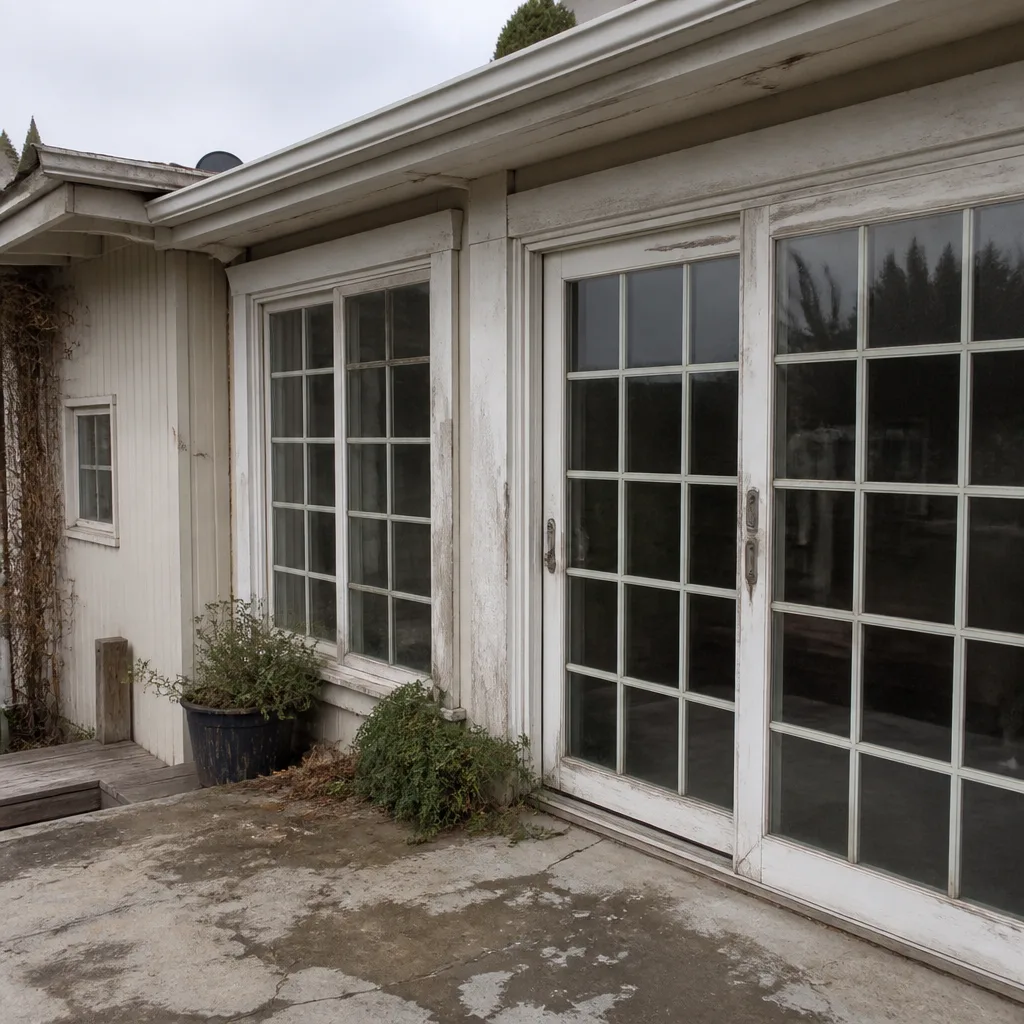 Before
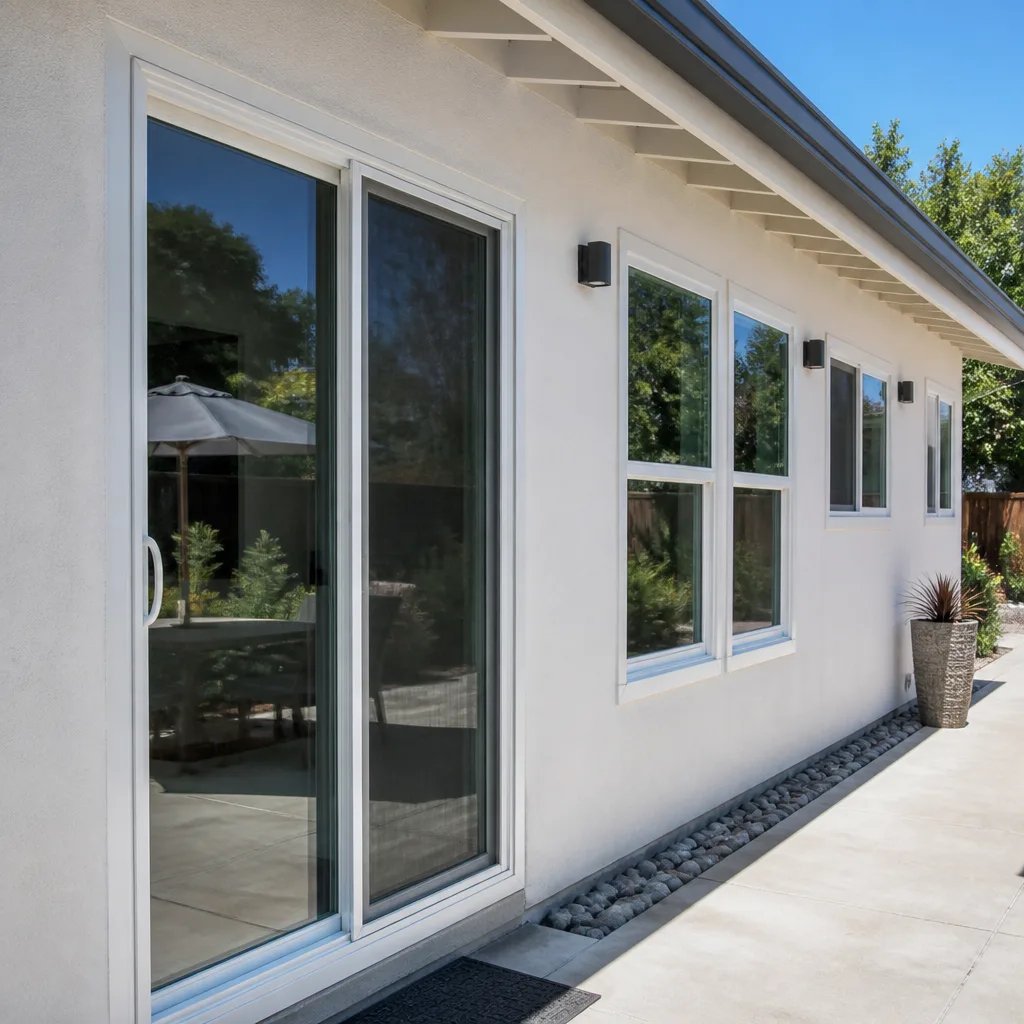 After
After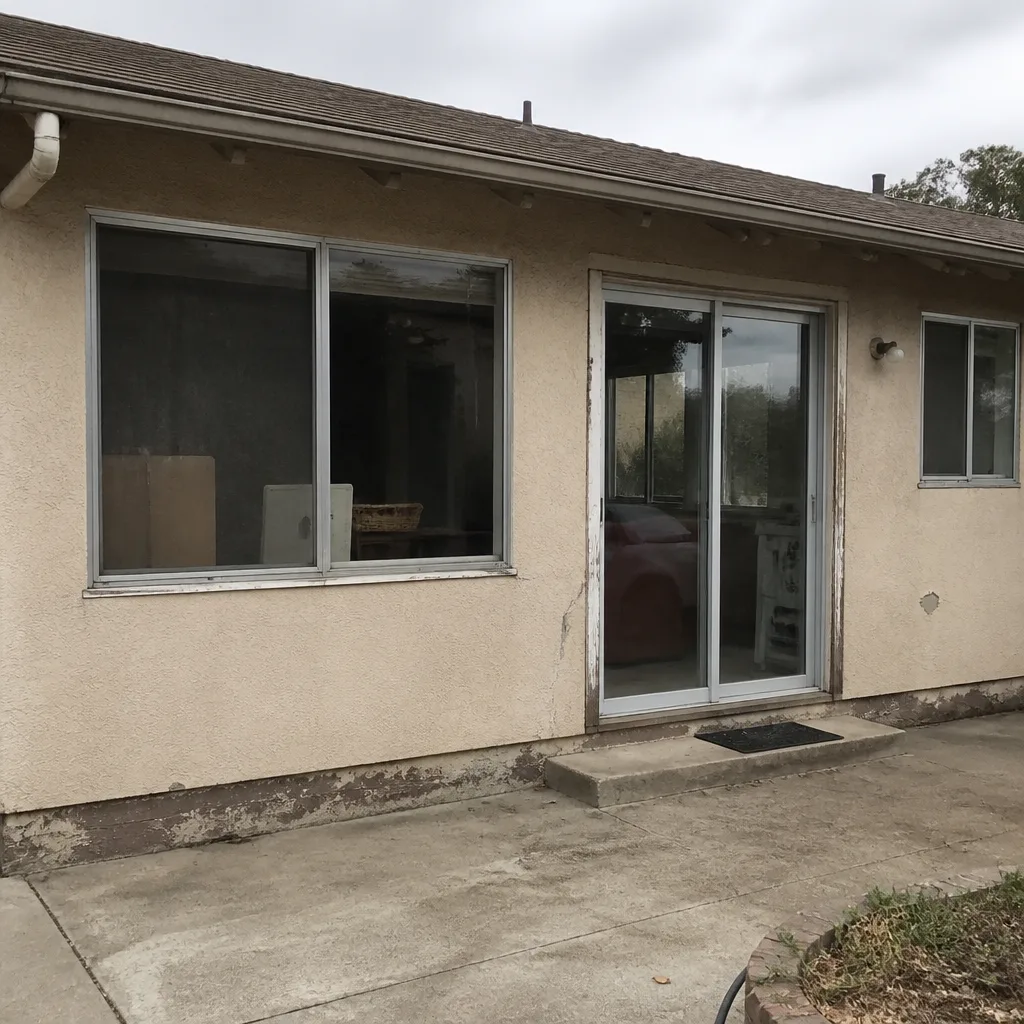 Before
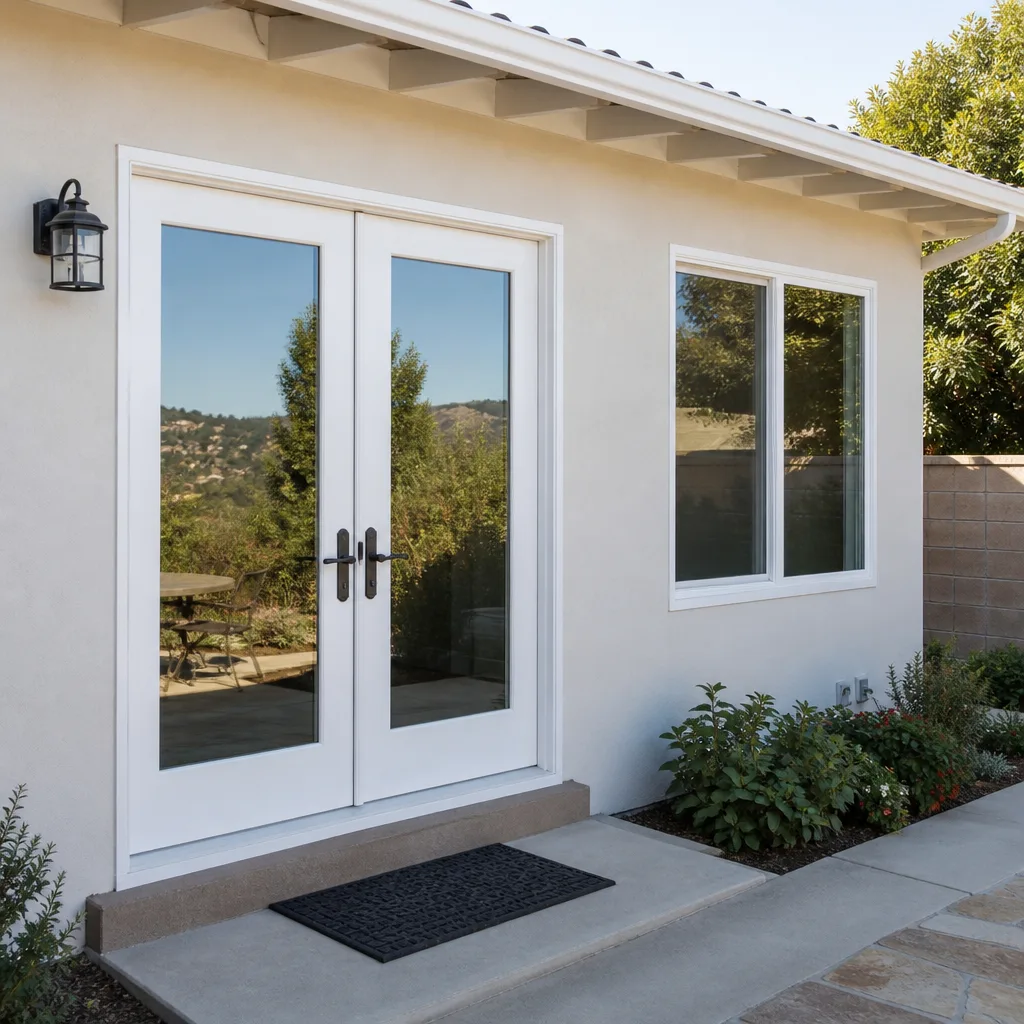 After
After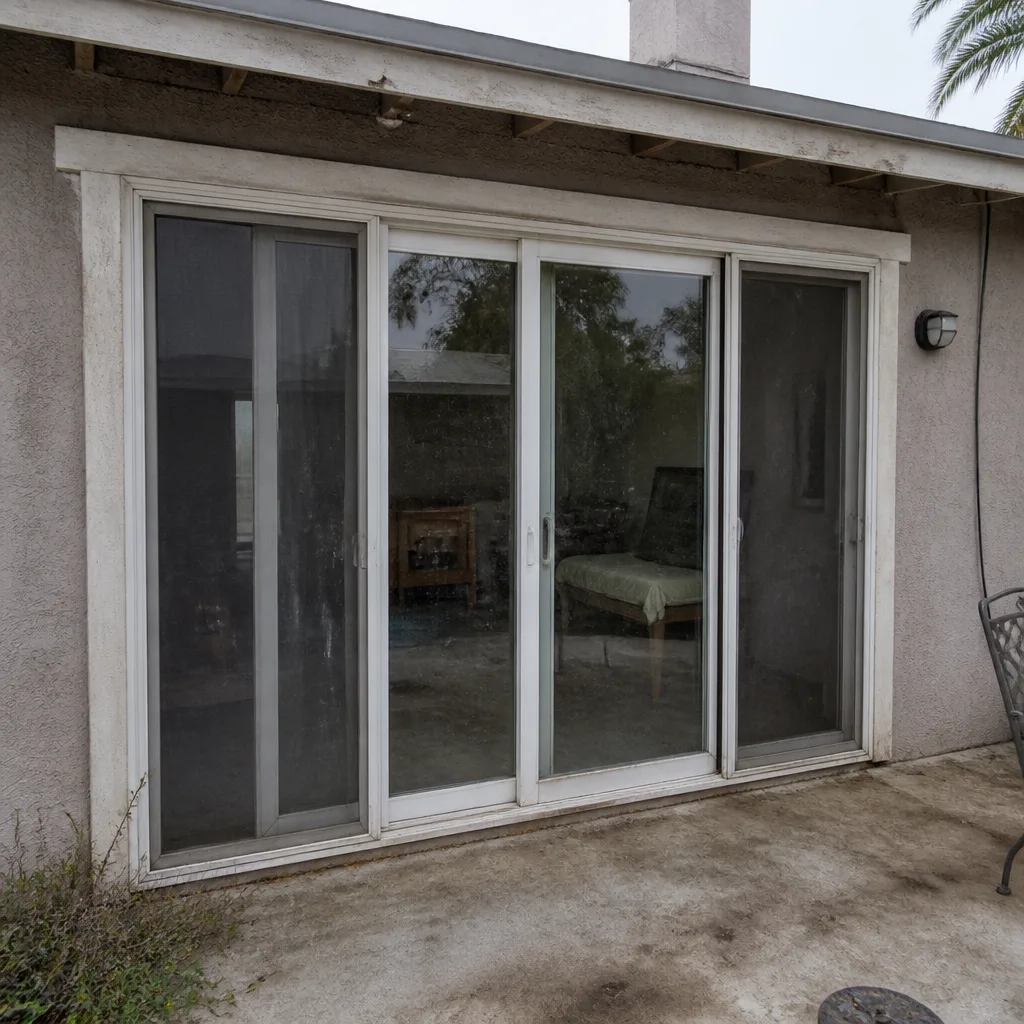 Before
 After
AfterSix Reasons Homeowners Choose Lightwell Windows Ventura
Laminated glass and reinforced frames hold up to wind-driven rain, hail and flying debris, so your openings stay sealed when the weather turns.
Low-E insulated impact glass from our manufacturer lines commonly cuts monthly cooling bills 20-30%.
Laminated impact glass shuts out up to 40% of outside noise - traffic, neighbors, weather.
Monitoring services run $30-90 a month. Laminated impact glass resists forced entry around the clock, with no subscription.
Tighter seals and insulated glass even out hot and cold rooms and stop the drafts at the frame.
A full impact package upgrades curb appeal, buyer confidence and appraised value in one project.