
Last updated October 17, 2026
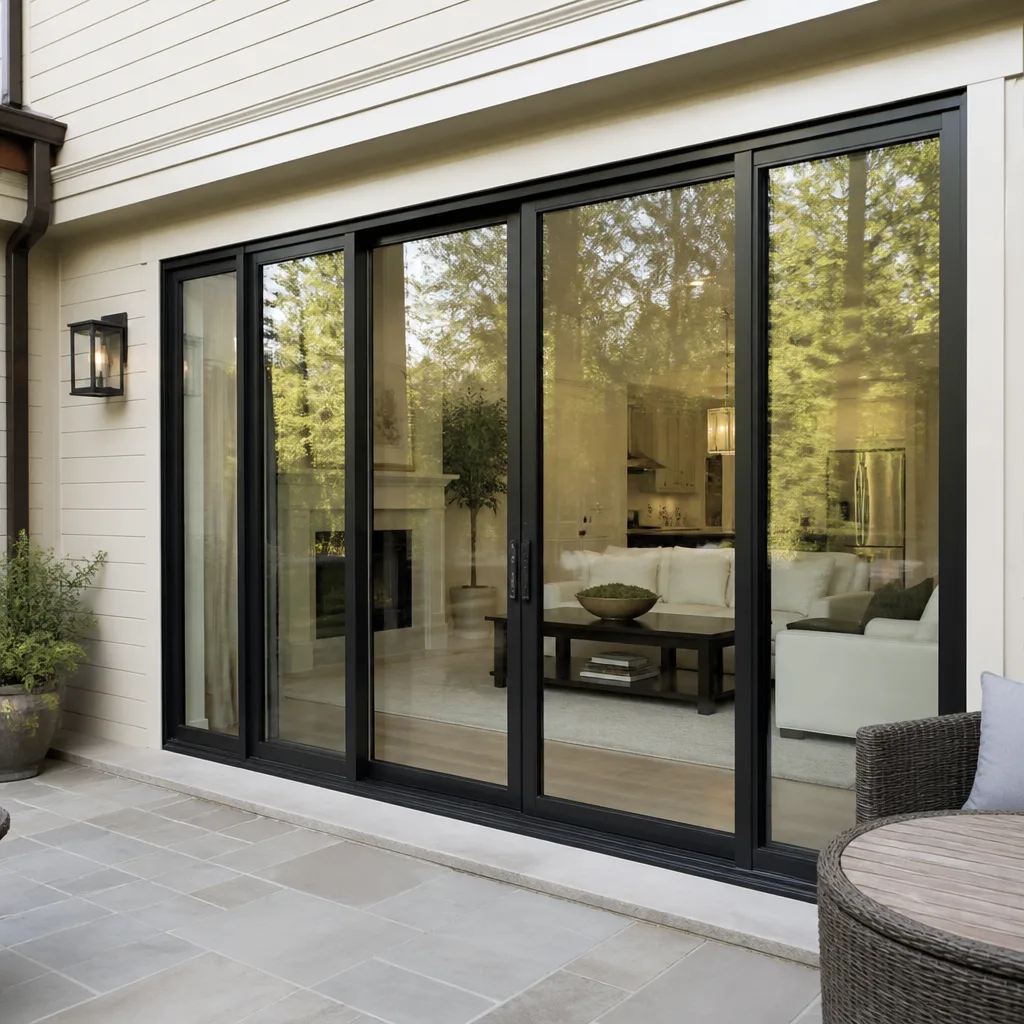 Sliding glass doors
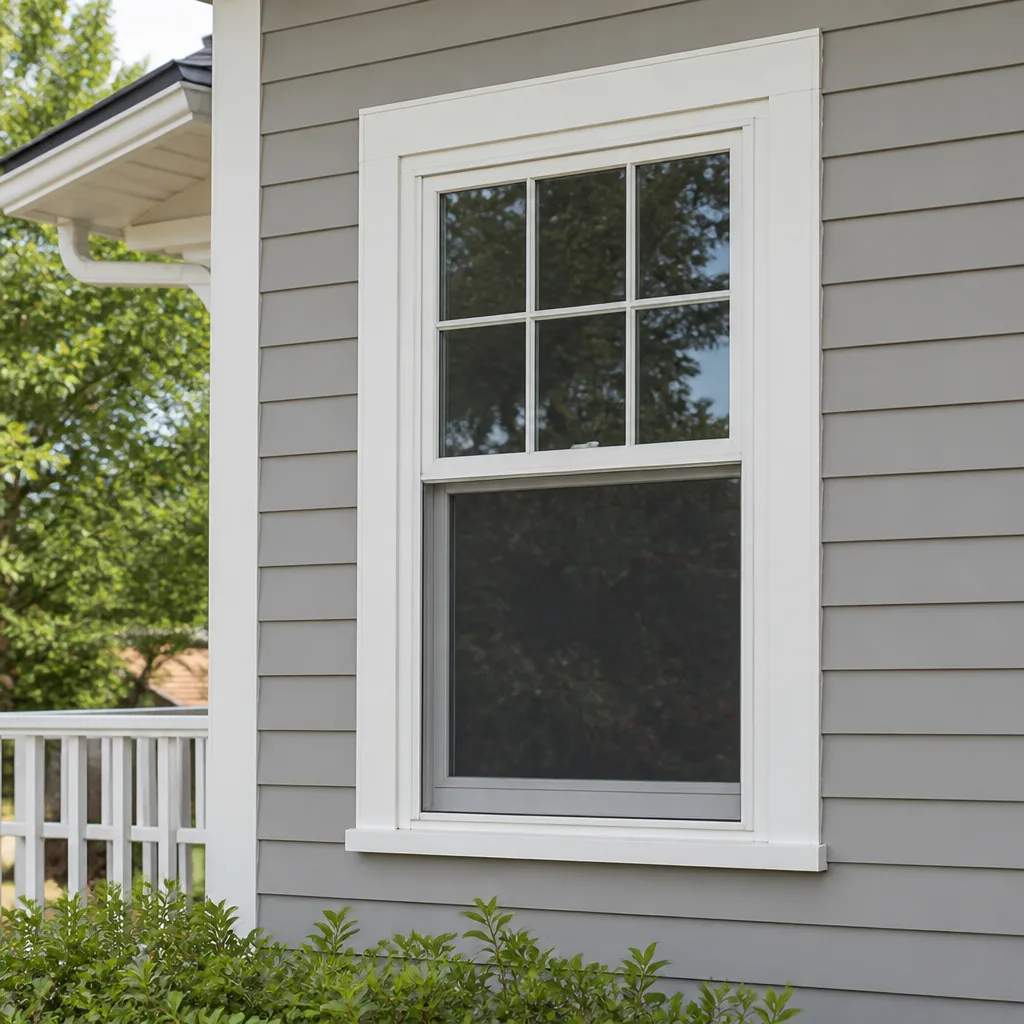 Single hung
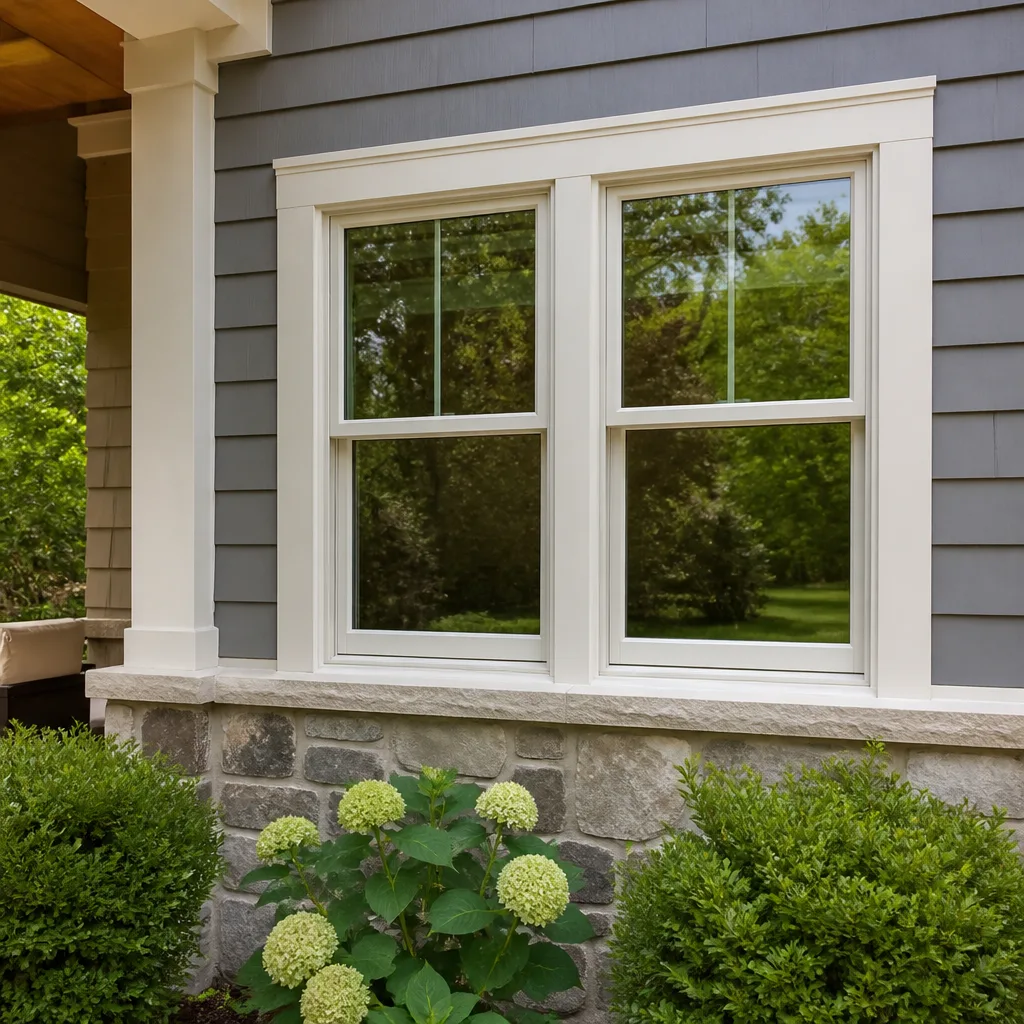 Double hung
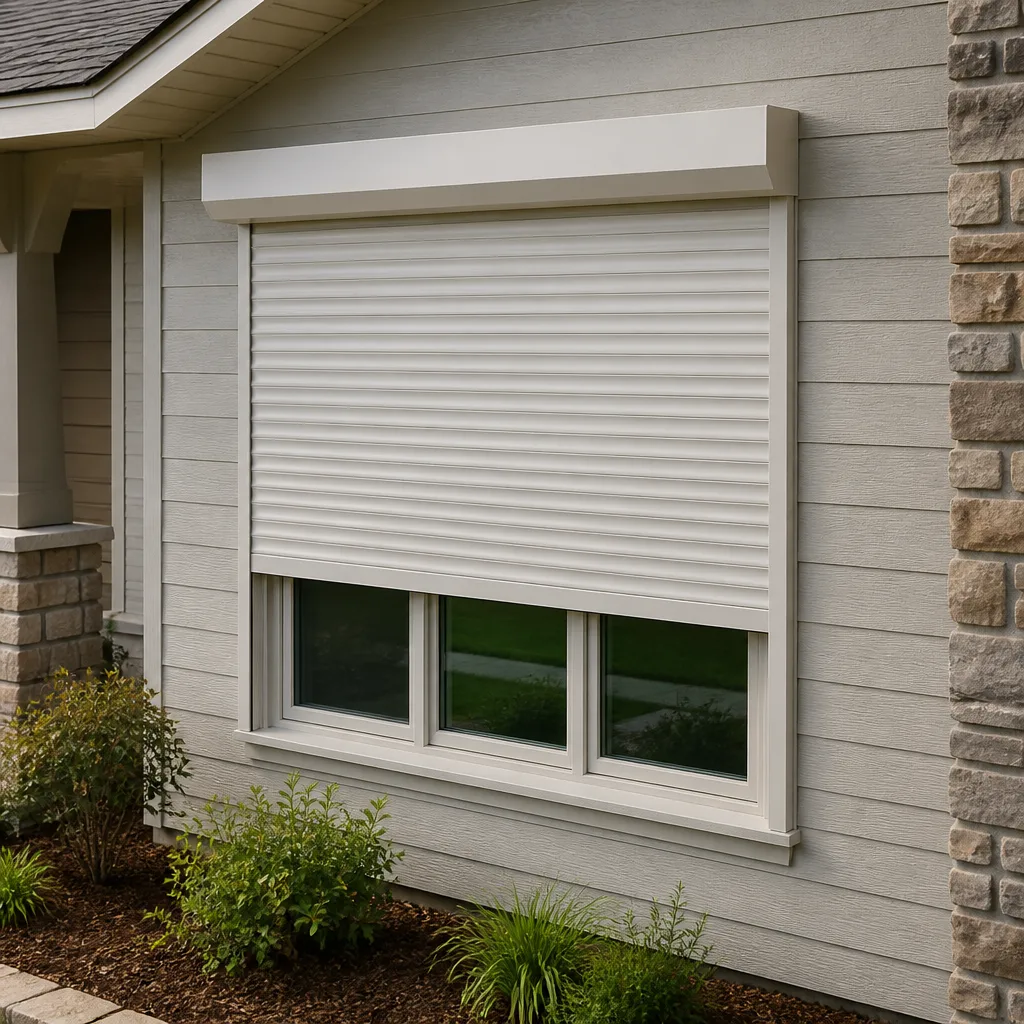 Horizontal roller
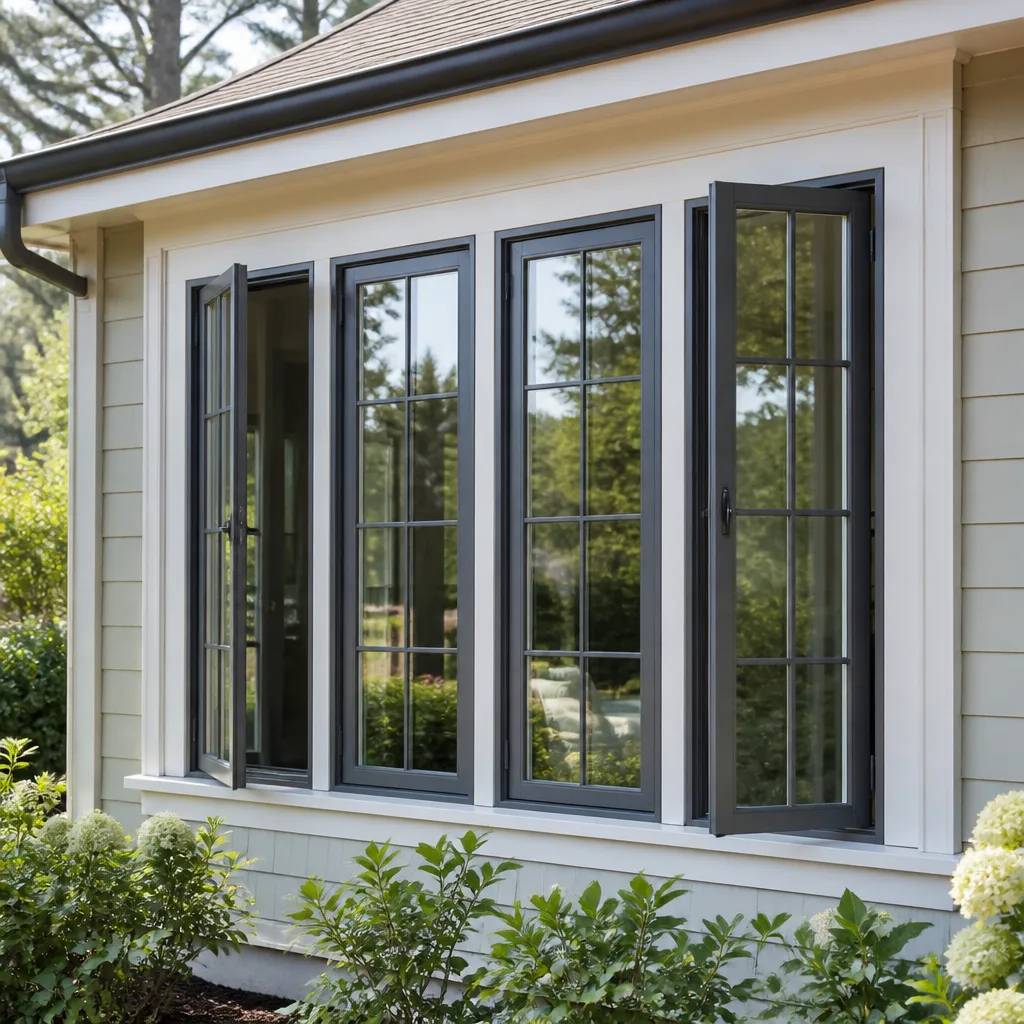 Casement
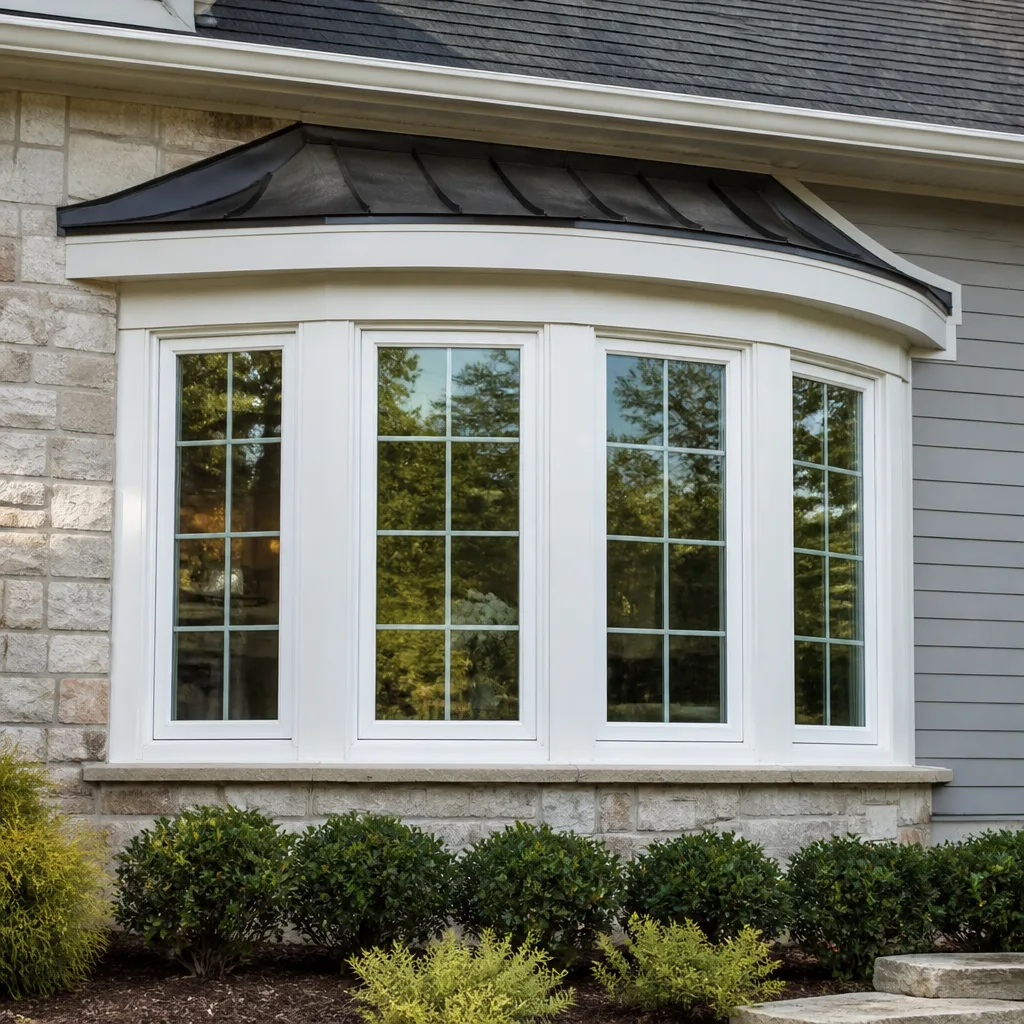 Bay & bow
 Entry doors
 Impact garage doors
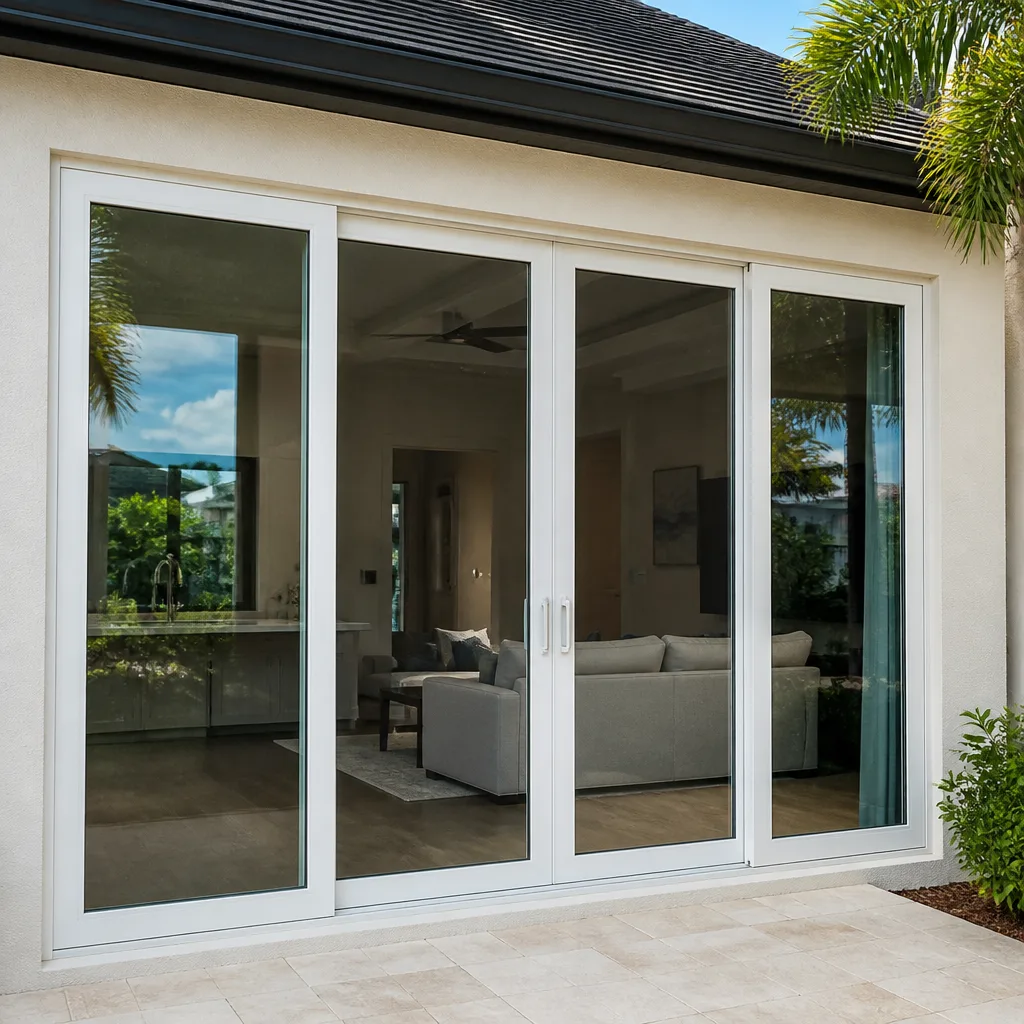 PGT
PGT CGI
CGIFree in-home measure and quote - PGT, CGI and CWS impact lines compared on your actual openings, style by style
Get your free estimateSeasonal Windows & Doors Care for Ventura: Year-Round Homeowner’s Guide
A Santa Ana wind in October can drop Ventura’s relative humidity below 10% for three straight days, shrinking weatherstripping that spent the previous six months saturated by marine air. That single swing, repeated year after year, is why Ventura windows and doors need care timed to local conditions, not a national calendar. In this guide, we’ll walk through the four distinct stress cycles Ventura homes actually experience, what to check during each one, what you can safely handle yourself, and when the right move is a trained professional with a written price in hand. For more guides & resources, see our blog. You’ll also get a one-page annual log format so small problems become visible before they become invoices.
Styles & brands we work with
Quick Answer
Seasonal window and door maintenance in Ventura CA means checking seals, weep holes, weatherstripping, thresholds, and caulk joints at four specific times: spring (marine-layer condensation peak), summer (UV exposure), fall (pre-Santa Ana shrinkage), and winter (rain-readiness). Most homeowners can handle the visual inspections and light lubrication themselves, and a full-season tune-up by a Ventura window and door professional typically runs between $120 and $300 per visit, depending on the number of openings. For a detailed look at pricing, see our Windows & Doors Cost Breakdown: The Ventura Homeowner’s Reference for 2026.
Table of Contents
- Spring (March – May): The Marine Layer Check
- Summer (June – August): UV Season and Frame Care
- Fall (September – November): The Santa Ana Pre-Season Checklist
- Winter (December – February): Rain-Ready Joints and Drainage
- The One-Page Annual Log That Makes Patterns Visible
- Common Mistakes to Avoid
- When to Call a Professional
- Frequently Asked Questions
- The Bottom Line
Spring (March – May): The Marine Layer Check
Ventura’s heaviest condensation season runs from March through May, when overnight marine layers settle against coastal hillsides and morning dew sits on glass for hours at a time. That persistent moisture is exactly what reveals failing seals, clogged weep holes, and interior sill staining before the summer UV load bakes any damage into permanence. This is the season to look, not to repair. If you catch seal failure now, the fix is often caulk and cleaning. If you miss it, the same failure in August means a full sash replacement.
Here is what to check on every window in the house, in order:
- Run a finger along the interior sill at sunrise. If you feel moisture between the sash and the frame, not just on the glass surface, the seal is no longer doing its job.
- Look for white or chalky residue on the interior sill or lower sash corners. That is mineral deposits from water that has been passing through a failed seal for weeks.
- Locate the weep holes on the exterior bottom of each window frame, the small slots that let trapped water escape. Clear them with a pipe cleaner or soft brush. A clogged weep hole turns a minor condensation issue into water pooling inside the frame track.
- Inspect the caulk line where the exterior frame meets the stucco or siding. Ventura’s coastal salt air accelerates caulk breakdown faster than inland air. Re-caulk any joint where the old bead has pulled away or cracked.
- Check interior wall paint below every window for bubbling or discoloration. This is the late-stage signal that water has been getting in for a while.
For homeowners in the hills around Foothill Road or the older stucco homes near Midtown, we see a predictable pattern: west-facing windows catch the marine layer first and fail seals sooner than any other exposure. South-facing frames dry out faster and show caulk cracking earlier. Note which direction each problem window faces when you log it. That detail matters more than most people expect.
Door checks in spring are simpler but just as important. Run your hand along the bottom sweep of every exterior door while it is closed. If you feel daylight or a draft, the sweep has worn. Swelling from winter rain often leaves doors sticking in March and April, which is a humidity issue, not a hinge problem. Adjusting the threshold in spring usually resolves it without touching the door itself.
A complete spring inspection across a typical Ventura home with 12 to 15 windows takes about 45 minutes. If the inspection turns up seal failures in more than two windows, that is the moment to bring in a professional who can assess whether individual repairs make sense or whether a broader window replacement in Ventura will cost less over five years than repeated patchwork.
Summer (June – August): UV Season and Frame Care
Ventura summers do not bring extreme temperatures, but they do bring three straight months of intense, uninterrupted UV exposure. The marine layer burns off by mid-morning, and by midday the sun sits directly on south- and west-facing frames for six to eight hours daily. That radiation is the primary driver of vinyl and composite frame color fading, seal drying, and glazing breakdown. The damage is cumulative and often invisible until a frame looks noticeably lighter than the day it was installed.
What a homeowner can do to slow oxidation without voiding a manufacturer warranty:
- Wash frames quarterly with mild dish soap and water. Dirt and salt film act as a magnifier, concentrating UV on the surface. A clean frame oxidizes slower.
- Apply a vinyl-specific UV protectant, not automotive tire shine or generic silicone spray. Look for products labeled for window frames, and test on an inconspicuous corner before broad application. If the frame carries a warranty from a brand like PGT or Mr-Glass, check the manufacturer’s care instructions first. Some warranties explicitly exclude certain chemical treatments.
- Keep window screens in place during summer. They reduce direct UV contact with the glass unit and frame by shading the surface, even on windows you rarely open.
- Monitor interior seal appearance. Summer heat causes sealant to expand, and failed seals often show fogging between panes starting in July or August. Fog that appears in summer and disappears by morning is early-stage seal failure, not condensation.
Doors need attention too. Wood and fiberglass doors with southern exposure fade and dry out through summer. A Therma-Tru fiberglass door holds color well, but the weatherstripping around it does not. Check for brittleness on the side and top jambs in August. Brittle weatherstripping will crack when fall temperature swings arrive, which means a drafty door by October.
The summer check is also the right time to operate every window. Ventura homes near the coast often leave windows closed all summer and then discover in September that a sash has seized or a crank mechanism has stripped. If a window takes real force to open, or you hear grinding in the crank, stop forcing it. Forced operation of a stuck window deforms the track, and the repair cost doubles. Lubricate tracks and hinges with a dry silicone spray, never oil-based lubricants, which attract dust and gum up in salt air.
In our experience across Ventura neighborhoods, homes within a mile of the ocean see frame oxidation roughly 30% faster than homes in the foothills. Sea salt in the air, not just UV, drives that difference. If you live near the water, move your frame-cleaning schedule to monthly during summer, not quarterly.
Fall (September – November): The Santa Ana Pre-Season Checklist
This is the season that surprises Ventura homeowners. After months of stable coastal air, the first Santa Ana of fall drops humidity to desert levels within a day, and every material in your windows and doors contracts: weatherstripping shrinks, wood members pull back, and caulk joints that were fine in September show cracks by mid-October. The right move is a Window Replacement Maintenance Checklist for Ventura Homeowners completed in September or early October, before the first dry wind arrives. Catching shrinkage early means adjusting what is loose instead of replacing what has torn.
Here is the fall checklist, in order of importance:
- Reseat weatherstripping around every exterior door. Press it firmly into its track. If a section has pulled loose or flattened, replace just that section. Weatherstripping sold by the foot costs $8 to $25 per door, and a door with intact stripping loses substantially less heat on cold fall nights.
- Adjust thresholds. Most exterior doors have an adjustable threshold with screws at the top or sides. Close the door, look underneath it from the outside, and if you see light, raise the threshold in quarter-turn increments until the light disappears. If the door then scrapes, you have gone too far.
- Lubricate lock hardware. Dry Santa Ana air strips lubrication from deadbolts and handlesets. Use a dry graphite lubricant in the keyway and a silicone spray on the latch mechanism. Do this before locks start sticking, because a stuck deadbolt on a windy night is a safety issue and a lockout call you do not want.
- Test every window lock. Shrinkage changes framing alignment. A lock that engaged smoothly in August may not seat in October. Note any window where the lock no longer lines up, because that is often the first sign of frame movement that needs professional assessment.
- Remove and clean window screens that have accumulated summer dust, and store them if you plan to have windows closed through winter. Clean screens let in more light during the shorter fall days, and stored screens last longer.
- Walk the exterior and re-caulk any joint that has opened. Fall is the ideal caulk season in Ventura: temperatures are mild enough for good adhesion and dry enough that the bead cures properly before winter rain tests it.
Santa Ana winds in Ventura are most frequent in October and November, routinely gusting above 50 mph in the hills above Foothill Road and along the 126 corridor. A door that is even slightly misaligned at its weatherstripping will whistle on those nights, and the draft you feel is not just uncomfortable. It is the sound of the house losing conditioned air through a gap you can fix in 20 minutes.
If you have been considering new windows, fall is the season when many Ventura homeowners decide to move forward, because installation weather is predictable and gaps become obvious. If a window has reached the point where annual adjustments no longer work, it may be time to evaluate window installation in Ventura before the holiday season.
Winter (December – February): Rain-Ready Joints and Drainage
Ventura’s rain season is short but intense. Average annual rainfall is around 16 inches, but most of it can arrive in four or five significant storms between December and February. That concentrated water is what exposes every weak drainage joint and caulk seam in a home. The time to prepare is before the first big storm, not after water has already found a path inside. In practical terms: complete your winter inspection by the end of November.
Here is the winter checklist, focused on drainage and water paths:
- Clear all window weep holes again. Debris that accumulated during fall Santa Anas, leaves, dust, fine grit, sits in those slots. A clogged weep hole during a heavy storm sends water into the frame and down the interior wall.
- Inspect the caulk at the top of every window and door frame. Water runs downhill from the roofline. The top joint fails first. Run a bead of exterior-grade silicone or a high-quality polyurethane caulk anywhere the old bead has cracked or pulled away.
- Check exterior door thresholds for seal integrity. The threshold is the first line of defense against rain driven against a door. If the rubber gasket under the door is compressed or torn, replace it now. A threshold that leaks during a storm usually means water across your entry floor and into any adjacent wood flooring.
- Inspect the drainage channel at the base of sliding glass doors. Dirt and debris build up in the track, blocking the drain slots. A track that fills with water in a storm overflows into the house. Clean the track thoroughly and pour a cup of water into it to confirm drainage before the real rain starts.
- Look at the interior side of every window and door after the first significant storm and again 24 hours later. If water is getting in, the evidence appears as damp drywall, a water line on the sill, or soft flooring near the door.
Homes in the Ventura foothills and along the river bottom face different winter risks. Hillside homes get more wind-driven rain against the exposed west and northwest façades; the caulk and weatherstripping on those elevations bear the brunt. River-adjacent homes see higher humidity and more interior condensation, which tests seal integrity in a different way. Homes mid-city, particularly the older stock near Main Street and the avenues, often have original framing that has shifted enough over decades that no amount of caulk fully closes the gaps. Those homes may need more significant work, like a full door installation in Ventura with a properly shimmed and sealed frame.
Winter is also when interior condensation is most visible. A small amount of condensation on single-pane windows during a cold December morning is normal. Persistent condensation between the panes of a double-pane window is not. It means the seal has failed, the insulating gas has leaked, and the unit is no longer performing. That is a replacement item, not a repair.
The One-Page Annual Log That Makes Patterns Visible
The single most valuable tool in seasonal window and door care is not a product. It is a record. Ventura’s seasonal cycles are consistent enough that the same window sticks every October, the same sill weeps every March, and the same door draft returns every December. But those patterns are only visible if someone writes them down. Without a log, every problem looks like a one-time event, and you end up addressing symptoms year after year instead of fixing the underlying cause once.
Here is a format that works. One page per year. Four rows, four columns.
- Column one: Unit. Label each window and door with a simple name: “Front door,” “Kitchen window north,” “Sliding door rear.” Keep the same names every year.
- Column two: Season. Spring, summer, fall, winter. One row per season.
- Column three: Observations. What did you see, feel, or hear? Write it in plain words: “Fog between panes, July.” “Draft at bottom, October.” “Water on sill after rain, December.”
- Column four: Action taken. What did you do about it, or who did you call, and what did it cost?
At the end of the year, read down the observations column. If “kitchen window north” appears in three of four seasons, that window is telling you something, and the annual pattern is your evidence for replacement rather than another patch. This log costs nothing, takes 10 minutes per season, and is the difference between chasing problems and managing a home.
When a homeowner calls us with a log in hand, the conversation is completely different. Instead of describing symptoms from memory, they can tell us what has been happening, when, and on which units. Keith Yamada, the owner at Lightwell Windows Ventura, has reviewed many of these logs over the years, and the ones with consistent records lead to the most accurate recommendations and the fewest surprises.
Common Mistakes to Avoid
- Clearing weep holes once and forgetting them. Ventura’s Santa Anas refill weep holes with fine dust within weeks of cleaning. If you only clear them in spring, fall winds will clog them again before winter rain. Clear them in both March and November.
- Using oil-based lubricants on window tracks and hinges. Oil attracts the dust and salt that Ventura air carries constantly. A track lubricated with WD-40 in June will be gummed up by September. Use only dry silicone or graphite products.
- Ignoring a window that is hard to open because “we never open that one.” A stuck window is a safety egress problem and a sign of frame movement. The window you never open is the one you need working in an emergency, and it is the one most likely to have a seized mechanism when you finally try it.
- Waiting for a storm to check drainage. By the time water is running down an interior wall, the damage is done. Drainage checks need to happen before the first significant rain, which in Ventura can arrive suddenly in December.
- Replacing weatherstripping only when the door visibly drafts. Weatherstripping degrades gradually and invisibly. By the time a draft is obvious enough to feel, the house has been leaking conditioned air for months. Replace it on a schedule: every two to three years for coastal homes, every four to five inland.
- Caulking over cracked caulk instead of removing the old bead. New caulk does not bond to old silicone. The joint fails within one season, leaving the same gap with a false sense of coverage. Remove the old bead completely, clean the joint, and apply fresh caulk to a dry surface.
- Assuming a new window or door never needs seasonal care. Even the best-installed window from a brand like ViewLux or Therma-Tru requires inspection. Installation quality determines how long it lasts, but seasonal conditions in Ventura test every product regardless of manufacturer. That is why the 365-Day Done Right Promise at Lightwell Windows Ventura exists: even a correctly installed unit deserves follow-up, and if anything is not right, we make it right.
When to Call a Professional
Some seasonal conditions are true maintenance issues, and some are symptoms of a larger problem that needs trained eyes and specific tools. Before tackling major work, review Windows & Doors Permits, Codes & Inspections in CA: What You Need to Know. If you see fogging between panes that does not clear, a window that has shifted enough that the lock no longer lines up, a door that scrapes the threshold even after adjustment, or water stains that reappear after caulking, those are signals to call. Attempting to force a misaligned window or repeatedly re-caulking a persistent leak often makes the underlying issue more expensive to fix.
Lightwell Windows Ventura offers free estimates in Ventura, and our team works with eight manufacturer brands including PGT, Mr-Glass, and Therma-Tru, so the recommendation fits the home and the coastal conditions, not a preferred vendor. Call (559) 257-2350 and a live person will answer, 24/7, not a recording.
Frequently Asked Questions
Expect to pay between $120 and $300 for a full seasonal tune-up across a typical Ventura home with 12 to 15 windows and 3 to 4 exterior doors, depending on the age of the units and whether any weatherstripping or caulk needs replacement. Lightwell Windows Ventura provides a written price before any work starts, so there is no invoice surprise at the end of the visit. Call (559) 257-2350 for a free estimate specific to your home.
Yes, because Ventura’s four seasonal stress cycles affect different materials in different ways: marine-layer moisture saturates seals in spring, UV degrades frames in summer, Santa Ana dryness shrinks weatherstripping in fall, and concentrated rain tests drainage in winter. Skipping a season means the problem from that season compounds into the next one, and a small caulk issue becomes a water-damage repair.
Fall is the best season for window replacement in Ventura. The weather is dry and mild, Santa Ana conditions reveal which units are failing, and the installation cures properly before winter rain. However, spring and summer replacements are entirely doable, and many coastal homeowners schedule summer work to coincide with vacation time. For a recommendation on your specific home, schedule a window replacement in Ventura consultation and we will time it around Ventura’s weather patterns.
Salt air accelerates frame oxidation and caulk breakdown, especially within a mile of the ocean. It does not usually destroy a frame outright, but it shortens the service life of seals and finishes, which is why coastal Ventura homes need more frequent washing, caulk inspection, and weatherstripping replacement than inland homes. Frames from brands like PGT are built for coastal exposure, which is one reason they are in our lineup.
October is when the first Santa Ana winds arrive in Ventura, dropping humidity quickly enough that the door slab and frame contract at different rates. If the door sticks every October, the underlying issue is usually a threshold that is set slightly too high combined with weatherstripping that has lost its compression. Adjusting the threshold and replacing the sweep takes about 30 minutes and typically resolves it for that season and the next.
Water or fog between double-pane glass means the seal has failed and the insulating gas has leaked, and that condition will not resolve on its own. The unit needs replacement. If multiple windows show the same condition, a broader replacement can be more cost-effective than unit-by-unit work. We can evaluate the extent of the issue and provide a written price for whatever is actually needed. Call (559) 257-2350 to schedule a look.
The Bottom Line
Ventura’s seasons do not announce themselves with snow or sub-zero temperatures, but they stress windows and doors in four predictable waves: spring condensation, summer UV, fall dryness, and winter rain. The homeowner who checks the right things in the right season, keeps a simple annual log, and calls a professional when a pattern turns from annual nuisance to structural signal will spend less over the life of the home than the homeowner who reacts to problems after they appear. That is the entire principle, honestly. Check in season, record what you see, act on patterns, and call when the fix is beyond what a homeowner should safely handle.
The Lightwell Windows Ventura home page has more on how we work, and if any of the seasonal checks in this guide turned up something you would like a professional to evaluate, call (559) 257-2350 for a free estimate. A light well is what brings daylight deep into a building. That is what a well-installed window should do for your home, season after season, through every cycle Ventura’s coastal climate delivers.
Written by Keith Yamada, Owner at Lightwell Windows Ventura, serving Ventura since 2010.
See the difference
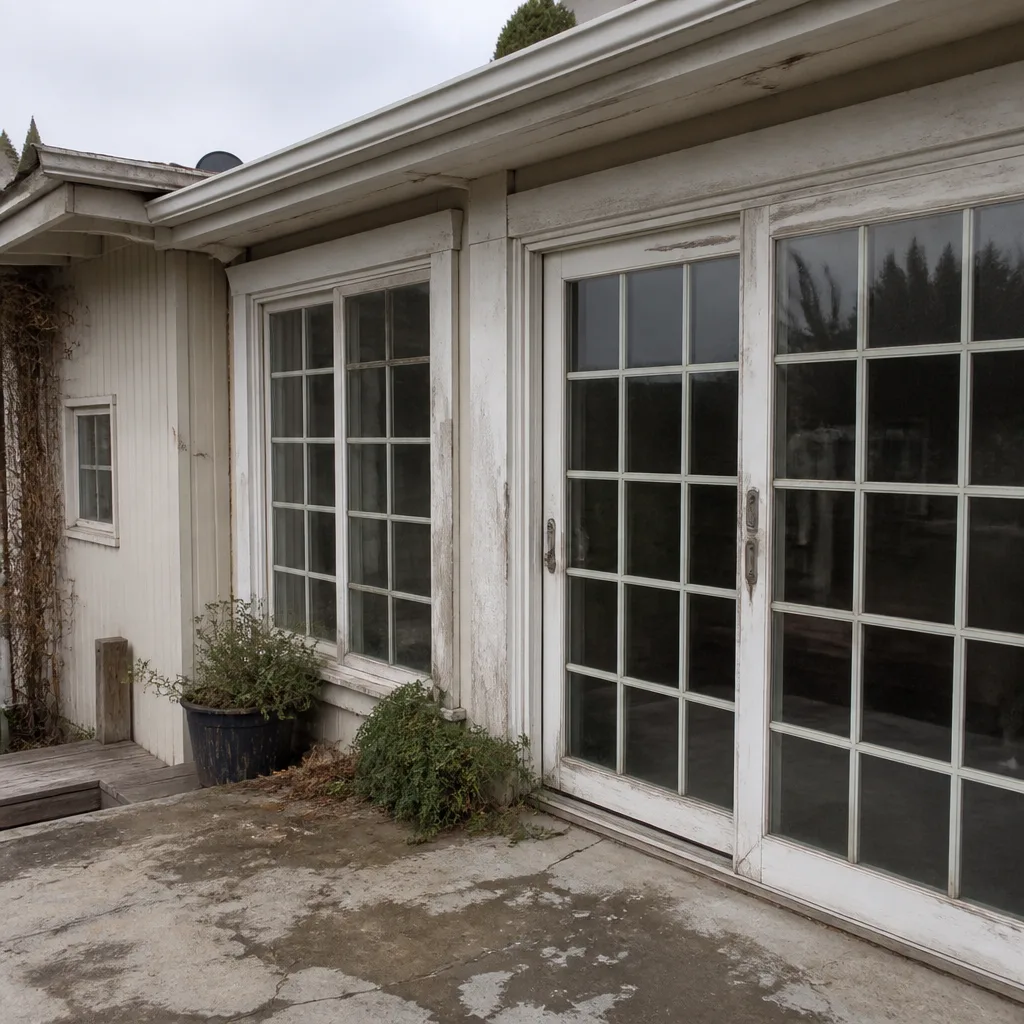 Before
 After
After Before
 After
After Before
 After
AfterSix Reasons Homeowners Choose Lightwell Windows Ventura
Laminated glass and reinforced frames hold up to wind-driven rain, hail and flying debris, so your openings stay sealed when the weather turns.
Low-E insulated impact glass from our manufacturer lines commonly cuts monthly cooling bills 20-30%.
Laminated impact glass shuts out up to 40% of outside noise - traffic, neighbors, weather.
Monitoring services run $30-90 a month. Laminated impact glass resists forced entry around the clock, with no subscription.
Tighter seals and insulated glass even out hot and cold rooms and stop the drafts at the frame.
A full impact package upgrades curb appeal, buyer confidence and appraised value in one project.