
Last updated October 17, 2026
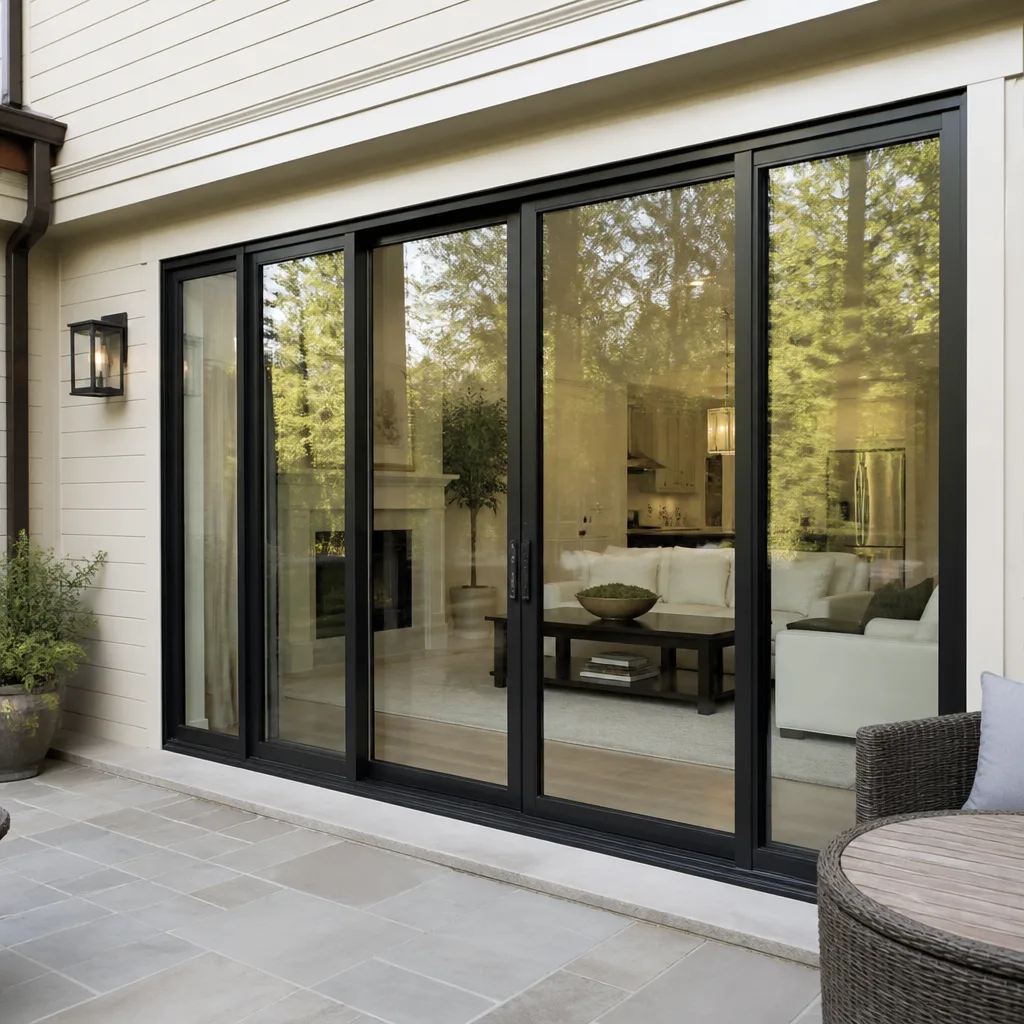 Sliding glass doors
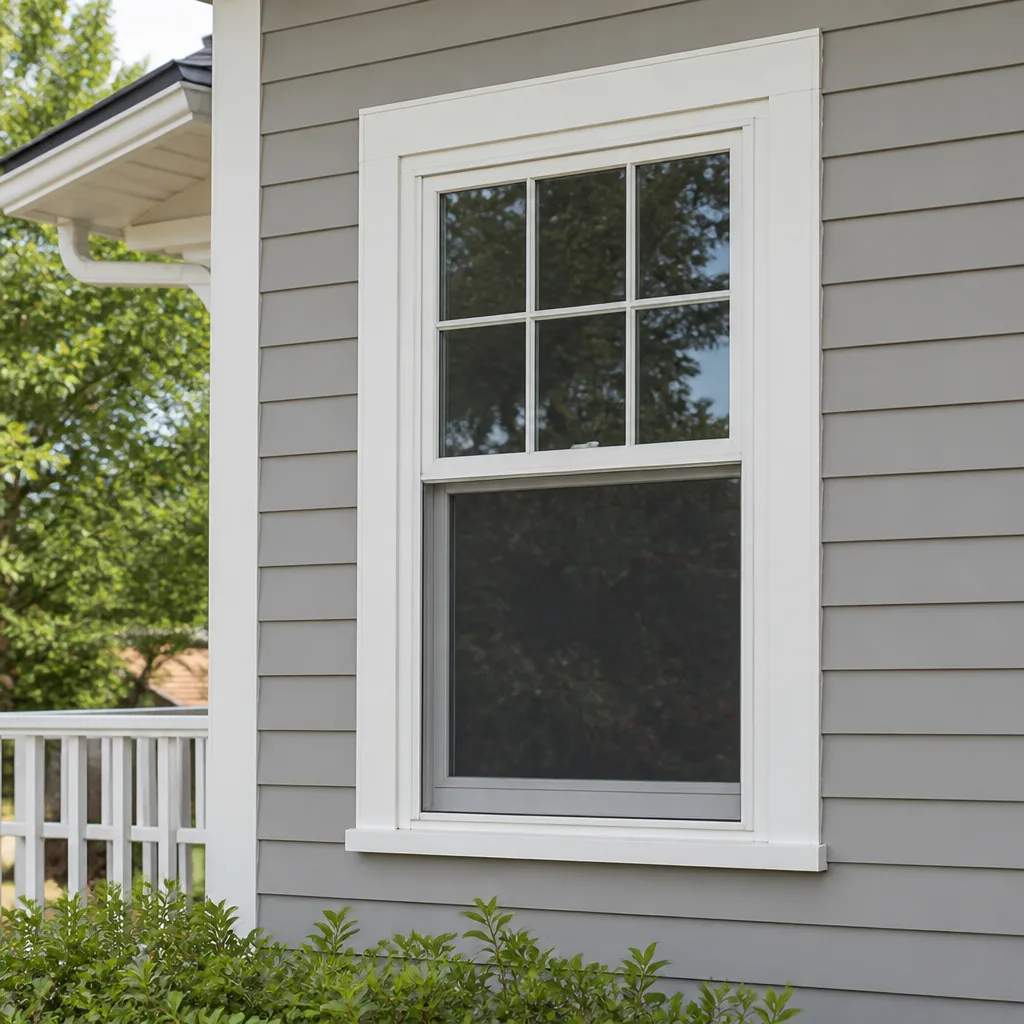 Single hung
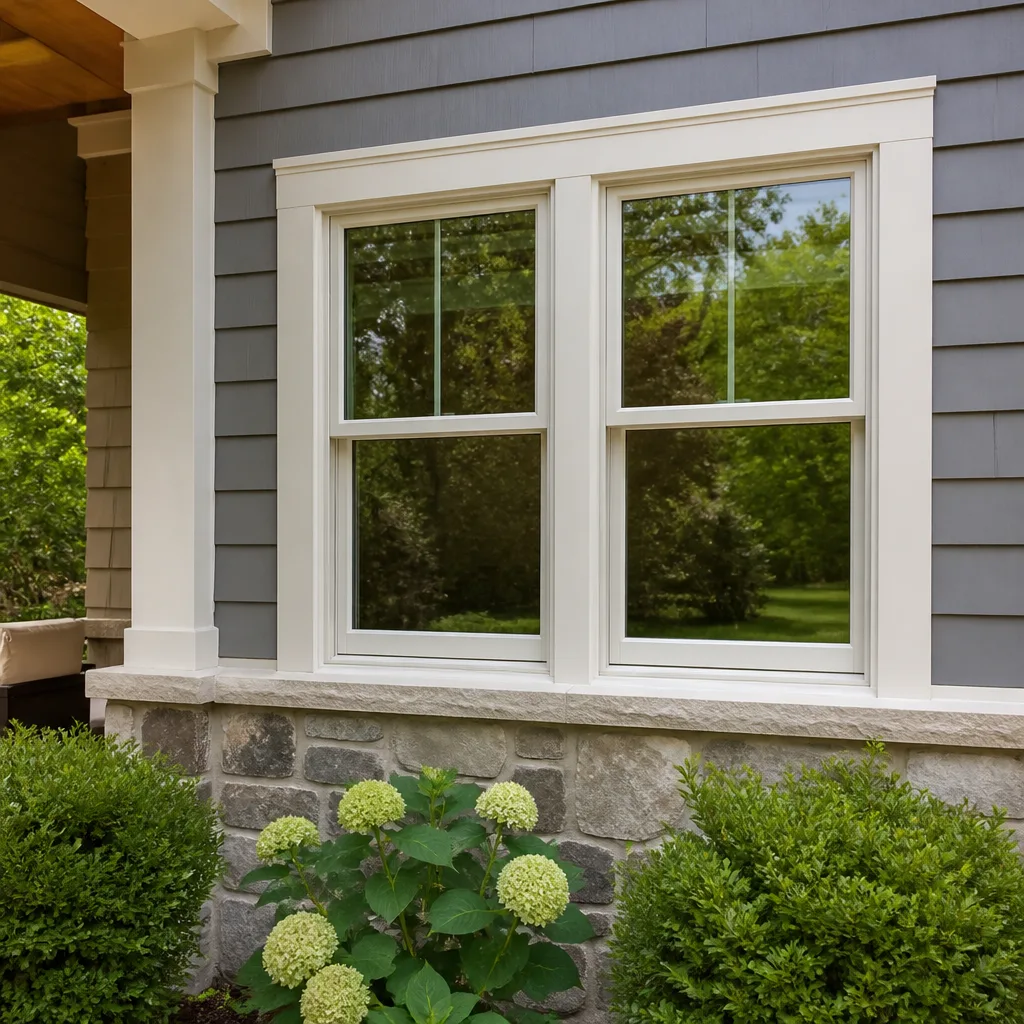 Double hung
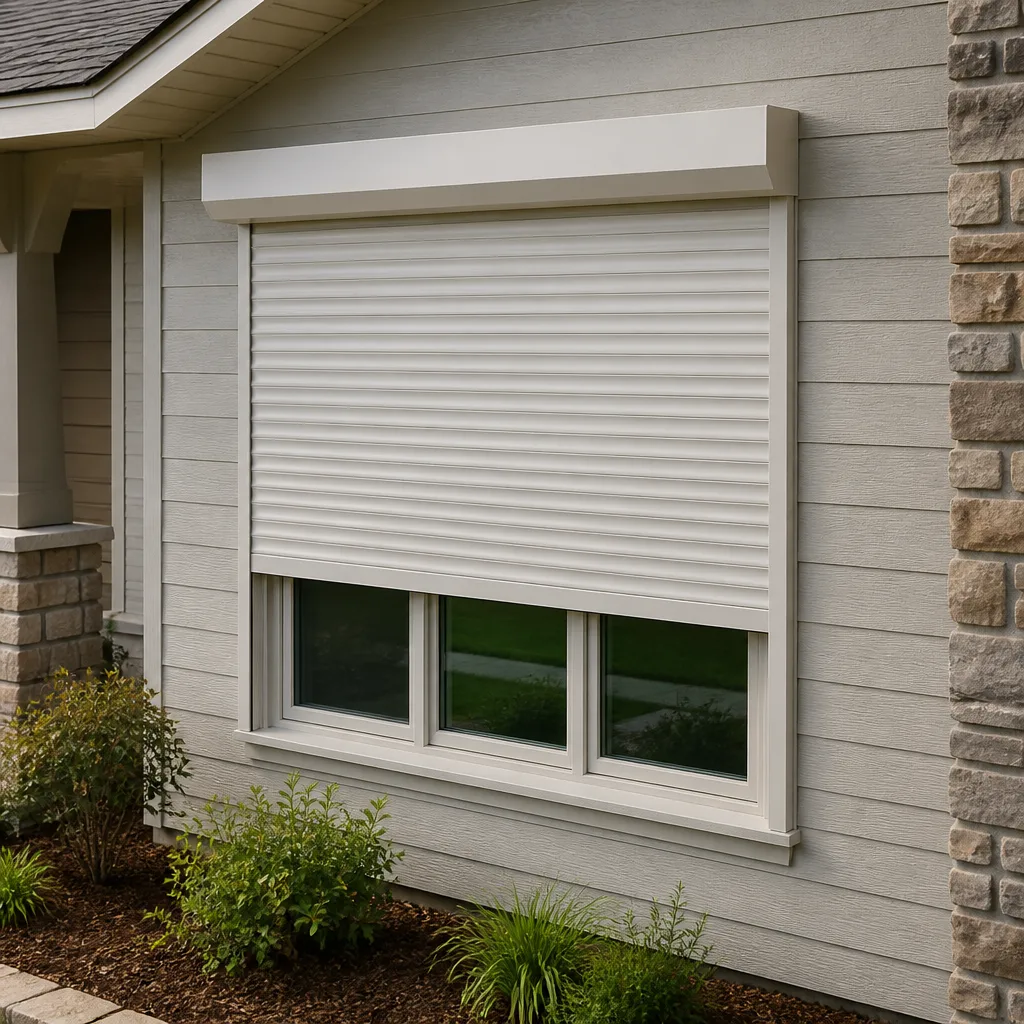 Horizontal roller
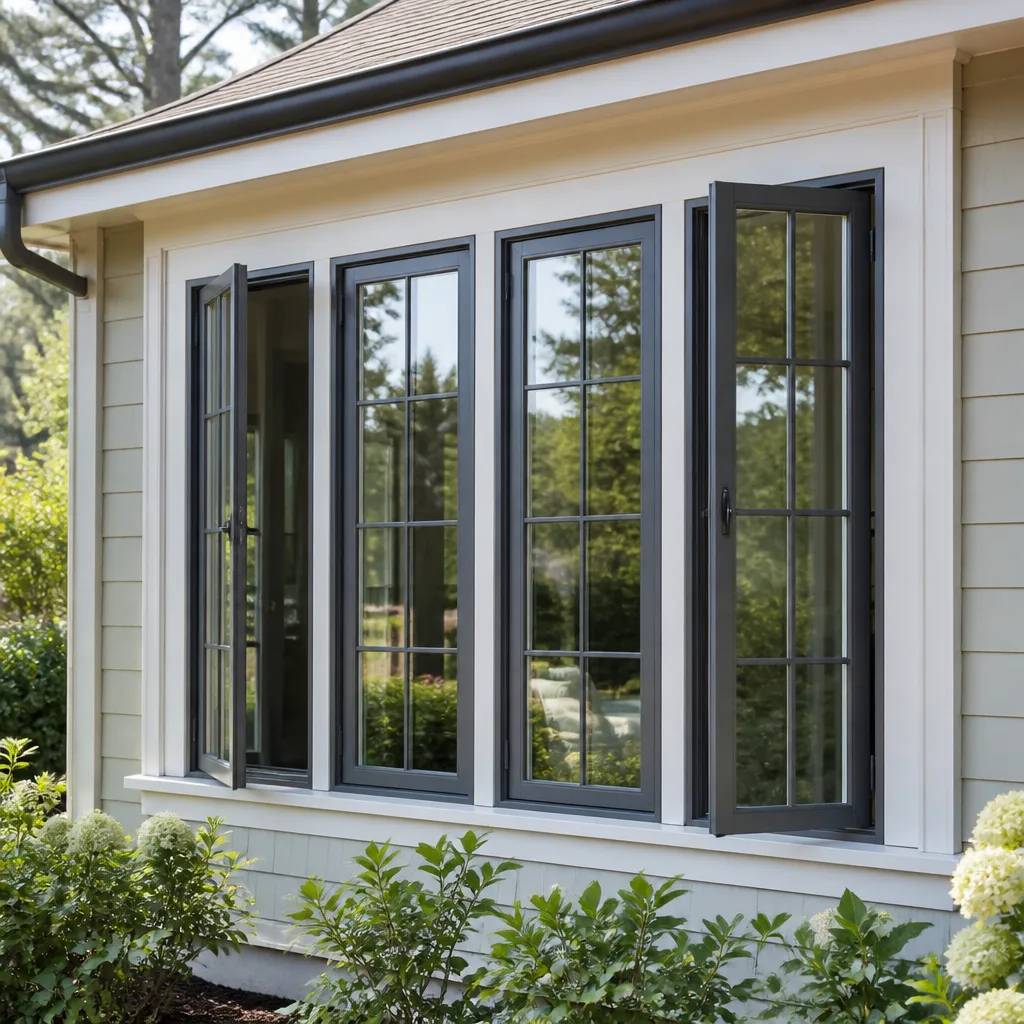 Casement
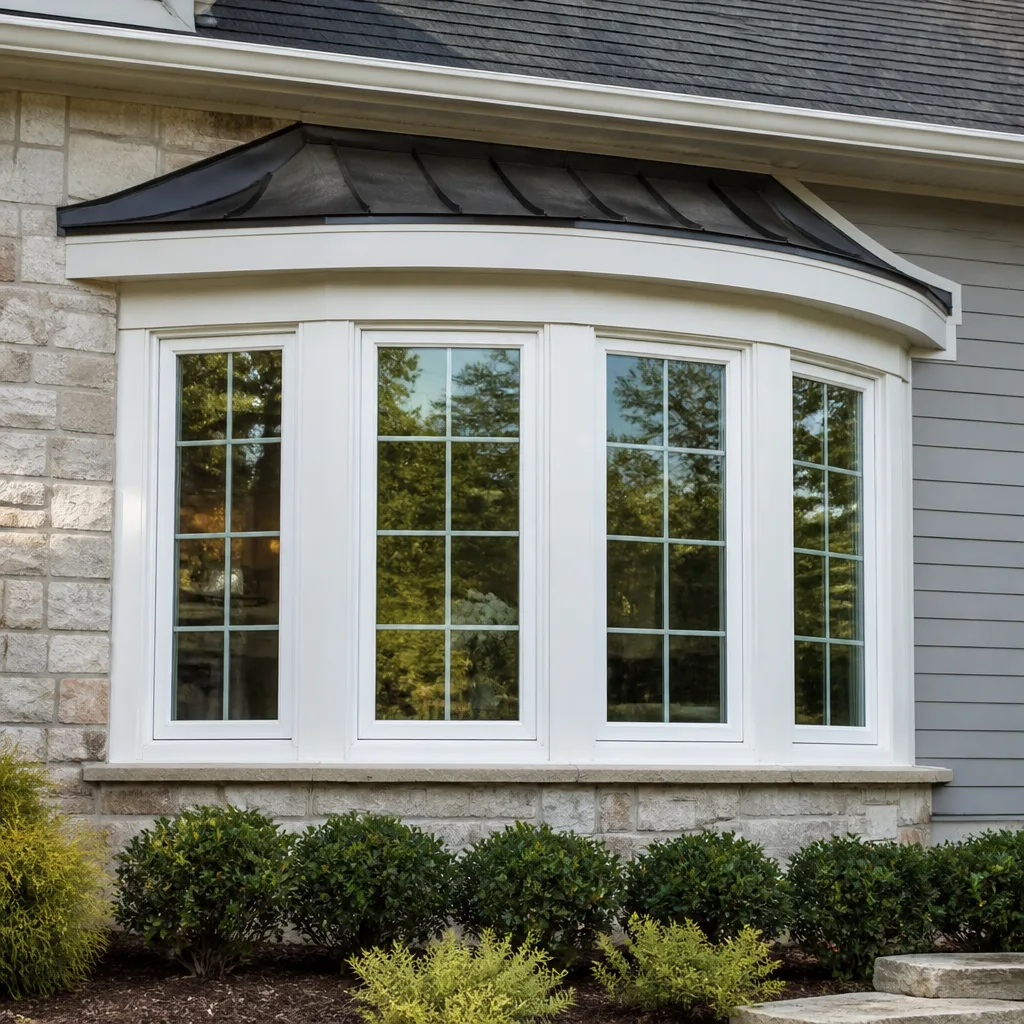 Bay & bow
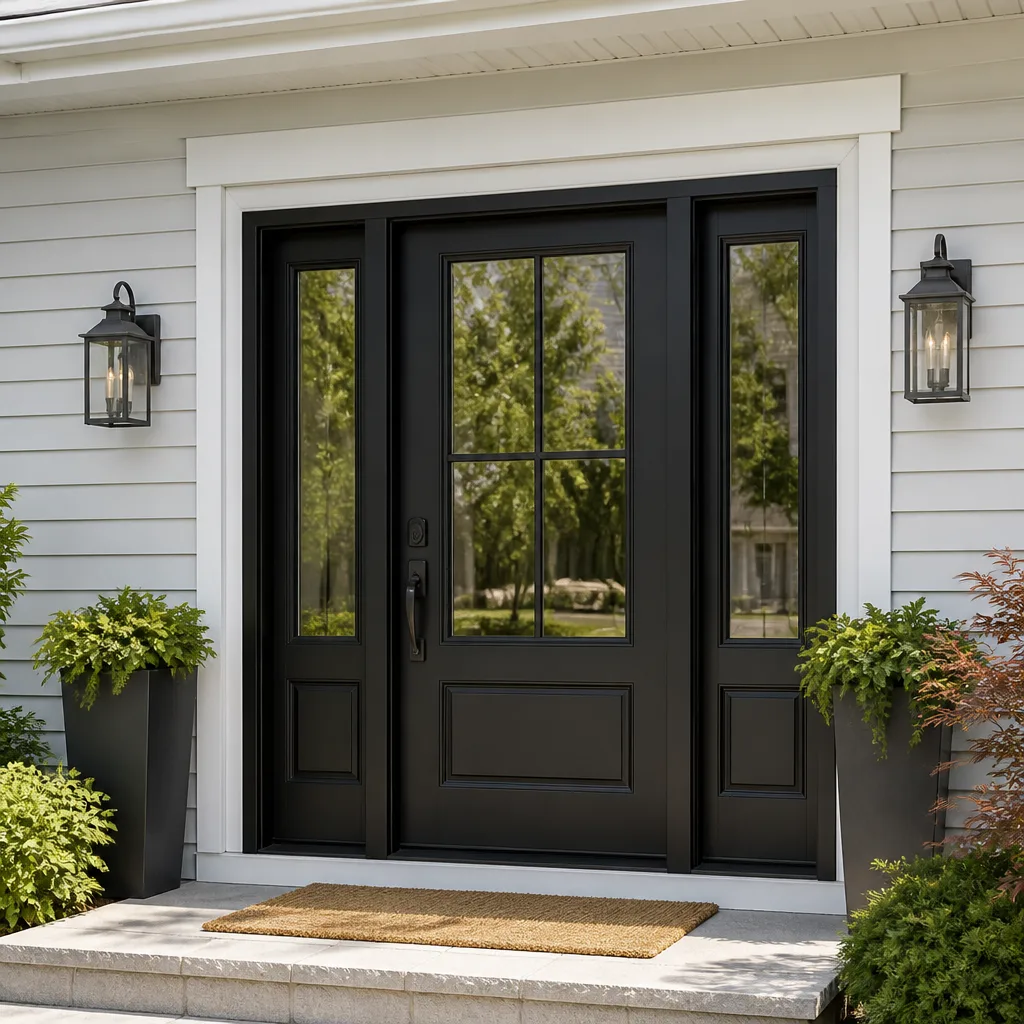 Entry doors
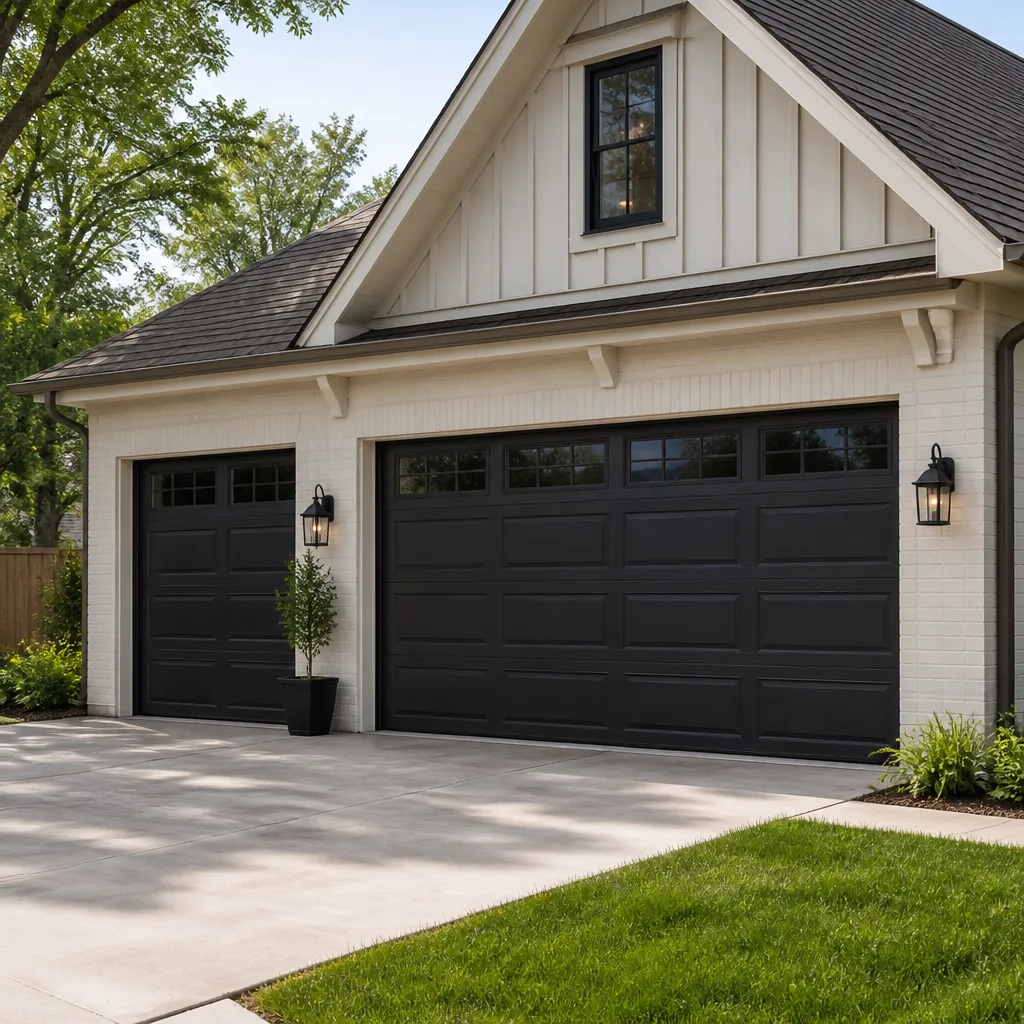 Impact garage doors
 PGT
PGT CGI
CGIFree in-home measure and quote - PGT, CGI and CWS impact lines compared on your actual openings, style by style
Get your free estimateWindows & Doors Permits, Codes & Inspections in CA: What You Need to Know
Ventura County real estate agents will tell you the same story in different houses: a sale stalls in escrow because the seller’s window replacement from eight years ago never had a permit pulled. The new buyer’s lender pauses. The disclosure forms get amended. Sometimes the deal dies over something as simple as a missing signature on a building permit application. The permit isn’t red tape. It’s the paper trail that protects your resale value, your insurance coverage, and your family’s safety. This guide maps exactly what triggers a permit in Ventura, what Title 24 demands from your glass, what an inspector actually looks at, and what to do if the work was never permitted in the first place. For more on windows and doors in our area, see our Complete Guide to Windows & Doors in Ventura.
Quick Answer
In Ventura, most window and door replacements require a building permit unless they qualify for the narrow “repair and replacement” exemption under California Building Code Section 105.2, which applies only when the opening size stays identical and no structural framing is touched. New or enlarged openings always require a permit, engineered details, and at least two inspections. Your new windows must also meet Title 24 energy standards for your specific climate zone: U-factor 0.30 or lower and SHGC 0.25 or lower in coastal Ventura (Zone 6), or U-factor 0.30 and SHGC 0.23 or lower for inland Ventura (Zone 10).
Styles & brands we work with
Table of Contents
- When a Ventura Window or Door Replacement Requires a Permit
- Title 24 Energy Code: The Real Numbers for Ventura’s Climate Zones
- What a Ventura Building Inspector Checks During Rough-In and Final
- HOA Architectural Review vs. City Permit: Who Controls What
- How to Retroactively Permit Unpermitted Window Work in Ventura
- What Documentation Survives in the Public Record (And Why It Matters)
- What Permits Cost and How Long the Process Takes in Ventura
- Common Mistakes to Avoid
- When to Call a Professional
- Frequently Asked Questions
When a Ventura Window or Door Replacement Requires a Permit
California Building Code Section 105.2 exempts certain “repair and replacement” work from permit requirements, but the exemption is far narrower than most homeowners assume. The operative phrase is “like for like.” If the existing rough opening stays exactly the same size, no structural framing is cut or added, and the work does not affect the building’s shear capacity or egress requirements, then a simple window swap might qualify as exempt repair work.
Here is where Ventura homeowners get tripped up. The moment any of the following is true, the permit requirement kicks in:
- You are enlarging the opening to fit a bigger window or a wider door (for example, replacing a 36-inch door with a 48-inch slider)
- You are cutting new openings where none existed before
- You are removing or relocating any wall stud, header, or king stud
- The work changes the egress path or the minimum emergency escape opening requirements for a bedroom
- You are converting a window to a door or a door to a window
- Your home is in a historic overlay district, where even like-for-like replacements often require design review
Sliding glass door replacements deserve special attention. Many Ventura homes built in the 1960s and 1970s feature 5-foot or 6-foot aluminum sliders with single-pane glass. Replacing one of those with a modern dual-pane unit of the same width still triggers a permit because the header condition above the door must be verified. Older headers were sometimes sized under older code provisions, and the inspector will want to confirm the existing beam still meets current deflection standards once the new, heavier door assembly goes in.
We’ve also seen confusion around “direct set” windows, where the glass sits directly in the frame without a sash. Removing and reglazing a direct-set unit in place is typically maintenance. But pulling the entire frame and reinstalling a flush-mount window changes the waterproofing plane, which triggers a permit because the flashing and weather barrier connection gets redone.
The practical takeaway for a Ventura homeowner: if you are unsure, call the Ventura Building Division before the work starts. A 10-minute phone call costs nothing and prevents a much larger problem down the road. For a deeper look at what replacement actually involves, see our Window Replacement in Ventura guide.
Title 24 Energy Code: The Real Numbers for Ventura’s Climate Zones
California’s Title 24, Part 6 Energy Code sets mandatory performance standards for all new and replacement windows and doors. The state divides Ventura County into two climate zones, and the required numbers are different enough that pulling a product spec sheet without checking your zone can mean a failed inspection.
Here are the current prescriptive requirements for replacement windows in Ventura:
| Climate Zone | Location | Maximum U-Factor | Maximum SHGC |
|---|---|---|---|
| Zone 6 | Coastal Ventura, Ventura Keys, Pierpont, Midtown | 0.30 | 0.25 |
| Zone 10 | East Ventura, Saticoy, Foothill, Montalvo | 0.30 | 0.23 |
U-factor measures how much heat passes through the glass and frame. Lower is better. SHGC (Solar Heat Gain Coefficient) measures how much solar radiation gets through. Lower means less heat gain, which matters more inland where summer afternoons push temperatures into the 90s. The Zone 10 requirement of 0.23 SHGC effectively eliminates most standard dual-pane clear glass and pushes you toward low-E coatings specifically rated for heat rejection.
For doors, the requirement is simpler. Swinging doors, including entry doors from brands like Therma-Tru, must have a U-factor of 0.20 or lower when the door includes glass, or the door must be certified under the default table for opaque doors, which most insulated steel and fiberglass doors meet. Sliding glass doors follow the same U-factor and SHGC requirements as windows for their zone.
One point that surprises homeowners: Title 24 compliance is not just about the glass. The code also requires proper air sealing around the rough opening. Inspectors can and do check for visible gaps between the window frame and the rough opening framing. A product that meets the numbers on paper but gets installed with sloppy air sealing can still fail a final inspection because the installed assembly is what gets evaluated, not the manufacturer’s spec sheet.
When we price a window replacement, we hand the homeowner a copy of the product’s Title 24 performance certificate before the work starts. That’s part of the written price. You don’t get a surprise at the end of the job because the wrong glass got ordered. If you want to understand how the whole replacement process works in Ventura, our Window Installation in Ventura page walks through it step by step.
What a Ventura Building Inspector Checks During Rough-In and Final
If your window or door project requires a permit, the Ventura Building Division will schedule at least two inspections. Knowing what the inspector looks for at each stage helps the work pass the first time and avoids re-inspection fees that run around $150 per trip.
Rough-In Inspection (Before Drywall or Trim Is Installed)
The rough-in inspection happens after the new window or door is set into the opening and fastened, but before any interior trim, exterior casing, or drywall covers the gap between the frame and the framing.
- Flashing sequence: The inspector verifies that the weather-resistant barrier (building paper or house wrap) is lapped correctly at the head, jambs, and sill. The sill flashing must go on first, then the jambs, then the head, so water drains outward, never inward. In Ventura’s winter rain months, this detail matters enormously.
- Fastener schedule: The inspector checks that the window or door is fastened to the rough opening per the manufacturer’s installation instructions. Most brands, including PGT and Mr-Glass, publish a required fastener pattern. Missing fasteners at the corners or center mullion is a common correction item.
- Shimming and leveling: The unit must be plumb, level, and square within the manufacturer’s tolerance. A door that’s even 1/8 inch out of level over a 6-foot span will bind on the latch side.
- Header verification: For any opening that changed size, the inspector confirms the header size and bearing condition match what the approved plans show.
- Egress compliance: In bedrooms, the inspector checks that the emergency escape window meets minimum clear opening dimensions: 5.7 square feet total, 24 inches minimum height, 20 inches minimum width, and a sill height no more than 44 inches above the floor.
Final Inspection (After Trim and Completion)
The final inspection happens once the job is fully complete, including interior trim, exterior casing, caulking, and painting.
- Operational check: The inspector opens and closes every operable sash and door, checking for binding, excessive force, and proper locking. Sliding doors must roll smoothly on their tracks without lifting or jumping.
- Glazing and dampproofing: The inspector verifies that exterior caulking is continuous at all four sides and that any weep holes at the sill are clear and functional.
- Safety glazing: Any glass within 24 inches of a door edge, within 60 inches of a bathtub or shower edge, or in certain stair-adjacent locations must be tempered. The permanent etched marking on the glass corner confirms this, and the inspector will look for it.
- Title 24 documentation: The inspector may ask for the product’s Title 24 compliance certificate to verify the installed glass matches the approved plans.
- Field tag removal: The inspector signs off the permit card, and the permit becomes part of the permanent building record for your property.
In our experience, the most common final inspection failure in Ventura is missing or painted-over weep holes at the bottom of window frames. When paint or stucco patch covers those small drainage slots, water accumulates inside the frame track and eventually migrates into the wall. The inspector will flag it, and the fix means carefully reopening the weep channels without damaging the frame.
HOA Architectural Review vs. City Permit: Who Controls What
Ventura has a significant number of planned developments and condo associations with architectural review committees, and homeowners often assume the HOA approval is the only permission they need. That assumption is wrong, and it can cost real money.
An HOA architectural review covers aesthetics: window frame color, grid pattern, door style, whether the product looks consistent with neighboring homes. An HOA has no authority to waive a building permit, and a building permit does not satisfy an HOA’s architectural review requirement. The two processes run in parallel, and both must be complete before work starts.
Here is the practical sequence for a Ventura homeowner in an HOA-governed community:
- Obtain the HOA’s architectural application form and their published design standards for windows and doors. Most committees want a product cut sheet showing frame color, material, grid details, and a photo of the existing elevation.
- Submit the HOA application and wait for written approval. Many Ventura HOAs have a 30-to-45-day review window, which is often longer than the city’s permit turnaround.
- Once the HOA approves, submit the building permit application to the Ventura Building Division with the HOA approval letter attached. The city does not require HOA approval to issue a permit, but attaching it creates a clean record.
- Schedule the work. The installation cannot begin until both approvals are in hand.
Where this gets messy: a homeowner skips the HOA review, installs a new front door in a color the committee doesn’t like, and then receives a letter demanding the door be replaced or repainted. The city permit was satisfied, the inspection passed, and yet the homeowner is now spending more money because the aesthetic layer never got cleared. Replacing a door twice is not a rare outcome in a strict HOA. We’ve seen it happen on Therma-Tru door installations where the homeowner assumed the HOA would not notice a change from a raised panel to a glass insert door. They noticed.
The reverse also happens. A homeowner gets HOA approval for a PGT sliding door in bronze, then discovers the city requires a permit because the original was a French door, not a slider. The homeowner starts the job because the HOA said yes, and now has an active violation with the city because the permit never got pulled.
Bottom line: two separate approvals, two separate authorities. Neither replaces the other.
How to Retroactively Permit Unpermitted Window Work in Ventura
This is the section we wish more homeowners read before they buy a Ventura home. Unpermitted window work is common, usually because a previous owner replaced windows 10 or 15 years ago under the mistaken belief that “replacement windows don’t need permits.” Now the current owner is selling, refinancing, or filing an insurance claim, and the missing permit surfaces.
Ventura County does allow retroactive permitting for work that was completed without a permit. The process is called an “as-built” permit review, and it’s more than just paying a fee and getting a stamp. Here is what it looks like in practice:
- File an application with the Ventura Building Division. You’ll describe the work, when it was done (to the best of your knowledge), and the approximate scope. Honesty matters here. An inspector who finds additional unpermitted work during the review will note it, and you’ll be responsible for addressing it.
- Open a wall or ceiling as directed by the inspector. Since the work is already finished, the inspector cannot see the framing, flashing, or header condition without some invasive access. Usually the inspector will require one window or door to be exposed at the head and one jamb to verify the flashing and fastening. Drywall repair is your responsibility.
- Address any code deficiencies the inspector finds. If the original installer used the wrong header or omitted the sill flashing, you’ll fix it now, even though the window has been in place for a decade. This is where the cost can grow.
- Pay the permit fee, including any penalty multipliers. Ventura’s retroactive permit fee is typically 1.5 to 2 times the standard fee, reflecting the cost of the additional plan review and inspection time.
- Pass the inspection and get the permit finalized. Once signed off, the work becomes part of the legal building record.
Realistically, a retroactive permit for a handful of replacement windows in Ventura costs between $400 and $900 all-in, including the penalty multiplier, the inspection time, and your own drywall repair. The timeline runs 2 to 6 weeks, depending on inspectors’ schedules and whether corrections are required.
The alternative to retroactive permitting is disclosure at sale. Some sellers choose to simply disclose the unpermitted work and adjust the price. That works, but it almost always costs more than the permit would have. Buyers discount unpermitted work more than the cost to legalize it, because the buyer inherits the risk of unknown code deficiencies and the hassle of the retrofit process.
What Documentation Survives in the Public Record (And Why It Matters)
When you pull a permit for window or door replacement in Ventura, you are not just getting permission to do the work. You are creating a permanent public record that follows the property. This record is searchable by address through the Ventura Building Division and is one of the first things a buyer’s agent checks during due diligence.
What gets recorded:
- The permit application, showing the scope of work, the contractor (if any), and the estimated value of the work
- The approved plan set or product approval documents, including Title 24 compliance certificates for the specific windows or doors installed
- The inspection record, showing which inspections were performed, when, and whether they passed
- Any correction notices or re-inspection records
- The final sign-off, which closes the permit
This is why we tell homeowners to keep the Title 24 certificate that comes with their new windows. A decade from now, when a buyer’s inspector asks whether the dual-pane low-E glass in the living room actually meets current code, that certificate is the answer. Without it, the buyer has to take the seller’s word, and escrow gets wobbly.
There’s a second layer to this: the National Fenestration Rating Council (NFRC) label that comes on every new window. That label contains the U-factor, SHGC, and visible transmittance for that exact product. It’s a small sticker, easily peeled off and thrown away. We tell our installation crews to leave the NFRC label on the window until the final inspection is complete, and we give the homeowner a copy of the documentation before the crew leaves. That’s part of the written price, and it’s part of what comes with every job.
What Permits Cost and How Long the Process Takes in Ventura
Permit fees in Ventura are based on the declared project valuation, which is the total cost of the window or door replacement, including materials and labor. The city’s building permit fee schedule is publicly available, but here are working numbers based on typical Ventura projects:
- Standard replacement window permit (3-5 windows, like-for-like): $180 to $400, depending on declared valuation
- New opening or enlarged opening (structural review required): $400 to $900, plus any required engineering review
- Sliding door replacement with header verification: $250 to $550
- Retroactive permit (unpermitted prior work): 1.5 to 2 times the standard fee, typically $400 to $900 total
- Re-inspection fee: varies, often around $150 per trip
These are permit fees only and do not include the cost of the windows, doors, or installation labor. On a typical whole-home window replacement for a 1,600-square-foot Ventura home, you’re looking at roughly $15,000 to $35,000 for the products and installation depending on brand and glass package, with the permit fee representing a small fraction of that total. It’s worth noting that brands like ViewLux and ES Windows sit at the higher end of the material range, while CWS and ECO Window Systems offer strong value at the lower end.
Timeline-wise, a straightforward like-for-like window permit in Ventura typically issues within 1 to 2 weeks. A project requiring plan check for a new opening or structural modification takes longer, usually 3 to 6 weeks, because the plans must route through plan review before the permit issues. HOA review adds its own parallel timeline, often 30 to 45 days.
For homeowners deciding between a full replacement project and a simpler installation, the Lightwell Windows Ventura home page lays out what each service includes and how the process runs from first call to final inspection.
Common Mistakes to Avoid
- Assuming “replacement” always means “exempt.” Many Ventura homeowners believe any replacement window is permit-exempt. Section 105.2 only exempts like-for-like with no framing changes. Enlarge the opening or change the header, and you need a permit. The assumption becomes a real problem at resale.
- Skipping the HOA review because the city permit was issued. The city does not enforce HOA design standards. The HOA can and will require a door or window to be changed after installation if the aesthetic rules were ignored.
- Choosing glass by brand reputation instead of Title 24 zone ratings. A premium PGT window with the wrong SHGC for inland Ventura can fail final inspection even though it’s a high-quality product. Match the glass to the climate zone, not the marketing.
- Letting the installer peel the NFRC labels before the final inspection. The inspector may want to verify the installed product matches the approved documentation. Once the label is gone, you’re chasing a manufacturer’s certificate to satisfy the inspector.
- Covering or painting over weep holes. This is the single most common final inspection correction in Ventura. Weep holes exist for a reason, and paint crews often fill them without realizing the consequence.
- Treating a retroactive permit as a simple administrative fix. It is not just a filing. The inspector will require invasive access to verify the work, and if the original installation was flawed, you will be paying to fix a problem you didn’t create.
When to Call a Professional
This guide is meant to give you a working understanding of the permit and inspection landscape for windows and doors in Ventura. But some situations genuinely require a trained hand. If your project involves enlarging an opening, adding a new window where none existed, replacing a load-bearing header, or correcting unpermitted work from a previous owner, the structural implications are real. A mistake in header sizing or shear panel installation can create a hazard that doesn’t show itself until the next earthquake or heavy rain. The work should be done by someone who has navigated Ventura’s permit process before and knows what the inspector will check.
Lightwell Windows Ventura offers free estimates for window and door projects in Ventura. We carry products from PGT, Mr-Glass, Therma-Tru, ViewLux, ES Windows, ECO Window Systems, and CWS, and we put every price in writing before any work starts. Call (559) 257-2350 to schedule your free estimate, and we’ll walk through the permit requirements for your specific project together.
Frequently Asked Questions
In most cases, yes. The repair and replacement exemption under California Building Code Section 105.2 applies only when the rough opening size stays identical and no structural framing is modified. New or enlarged openings always require a permit, as does any change that affects egress requirements or shear capacity. When in doubt, call the Ventura Building Division before the work starts. Call (559) 257-2350 for a free estimate that includes a permit review for your specific project.
A standard like-for-like window replacement permit in Ventura typically costs $180 to $400, depending on the declared project value. Projects involving structural changes or new openings run $400 to $900 or more. Retroactive permits for previously unpermitted work usually carry a 1.5 to 2 times fee multiplier. For an exact quote on your project, call (559) 257-2350.
Coastal Ventura falls in Title 24 Climate Zone 6, which requires a maximum U-factor of 0.30 and a maximum SHGC of 0.25 for replacement windows. These numbers are verified at final inspection against the product’s NFRC label or Title 24 compliance certificate.
No. An HOA architectural review covers aesthetic concerns like frame color and grid pattern. A building permit covers structural integrity, safety, and energy code compliance. Both are required when they apply, and neither substitutes for the other. The HOA does not have the authority to waive a city permit requirement.
Ventura allows retroactive permitting through an as-built review process. You file an application, the inspector requires invasive access at one or more windows to verify flashing and fastening, any code deficiencies must be corrected, and the fee is typically 1.5 to 2 times the standard rate. The process usually takes 2 to 6 weeks and costs $400 to $900 all-in.
Not necessarily, but it complicates the sale. You must disclose unpermitted work on the seller’s disclosure forms, and many buyers will discount the price by more than the cost of legalizing the work. Some lenders will flag unpermitted structural work and require it to be retroactively permitted before funding. Getting the permit sorted before listing is almost always cheaper than dealing with it during escrow.
The Bottom Line
Window and door permits in Ventura are not optional paperwork. They are the record that protects your home’s value, your buyer’s confidence, and your family’s safety. The California Building Code exemption is narrow, Title 24 has real numbers that vary by climate zone, and inspections catch details that matter during the next rainstorm. If you are planning a window or door project, start with the permit question, not the product catalog. If you inherited unpermitted work, legalize it before you list. And if you want a written price and a crew that leaves the floors clean, call Lightwell Windows Ventura at (559) 257-2350.
Written by Keith Yamada, Owner at Lightwell Windows Ventura, serving Ventura since 2010. Explore more guides & resources from our team.
See the difference
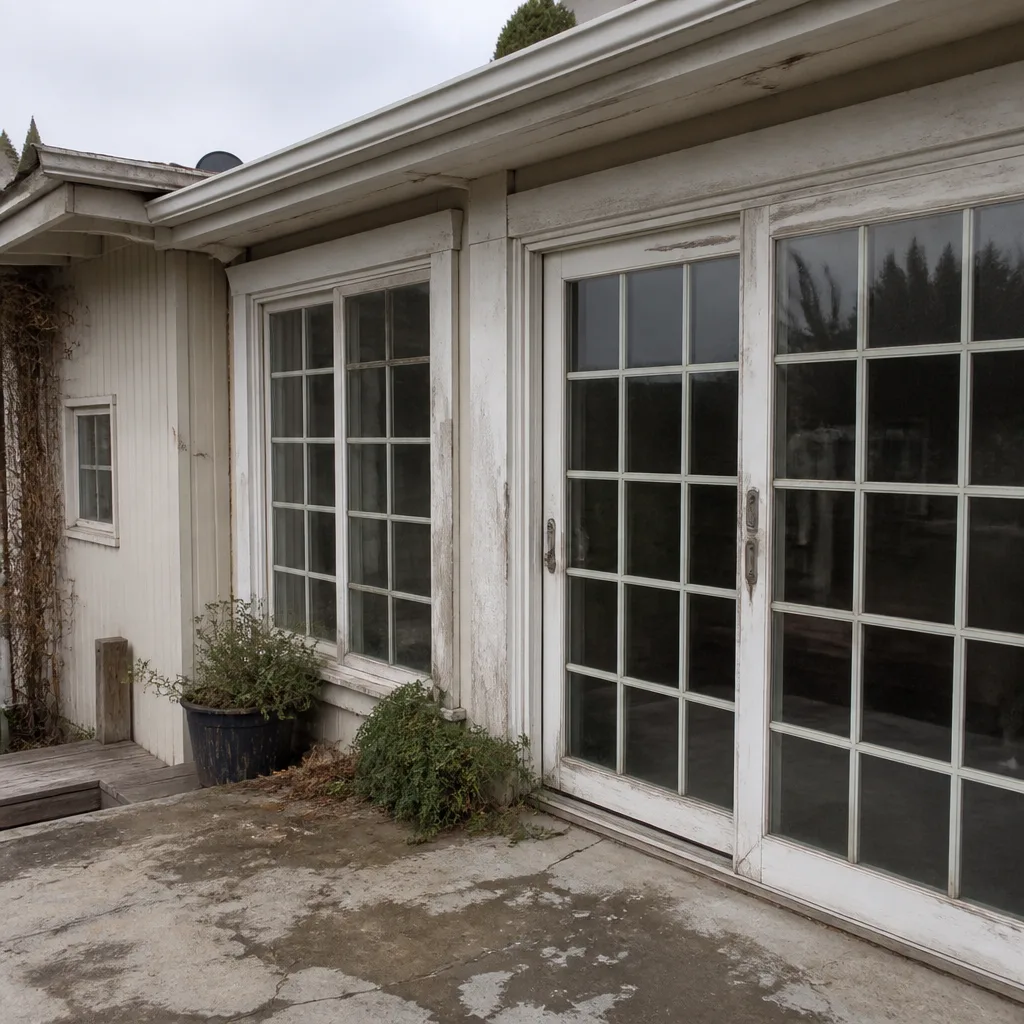 Before
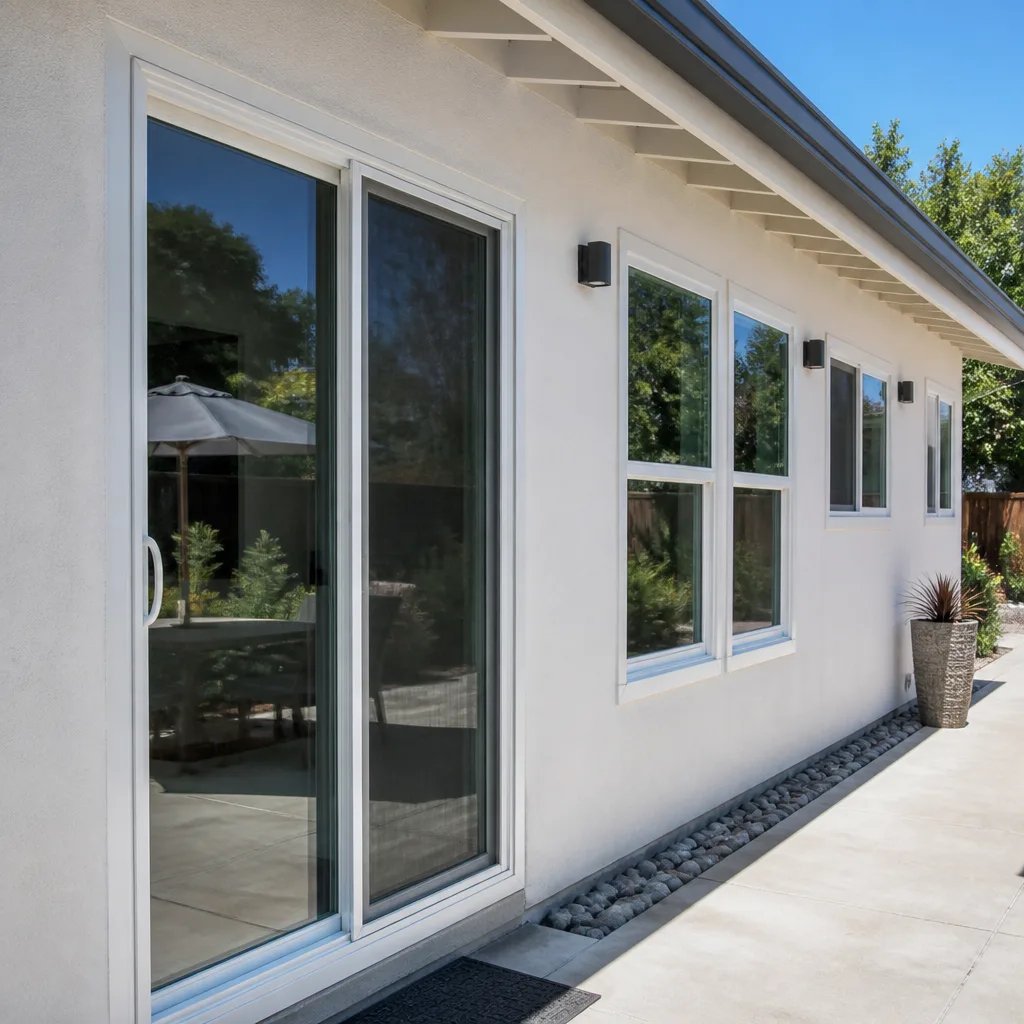 After
After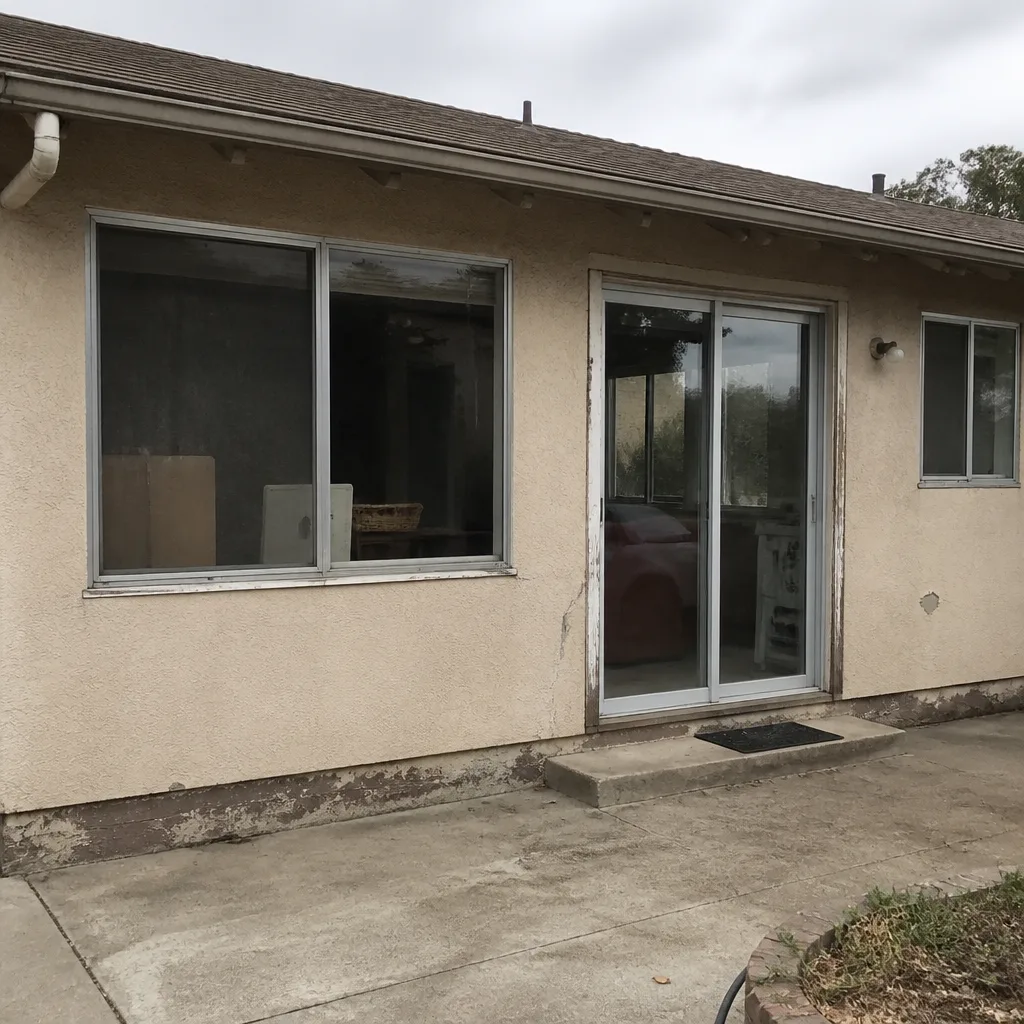 Before
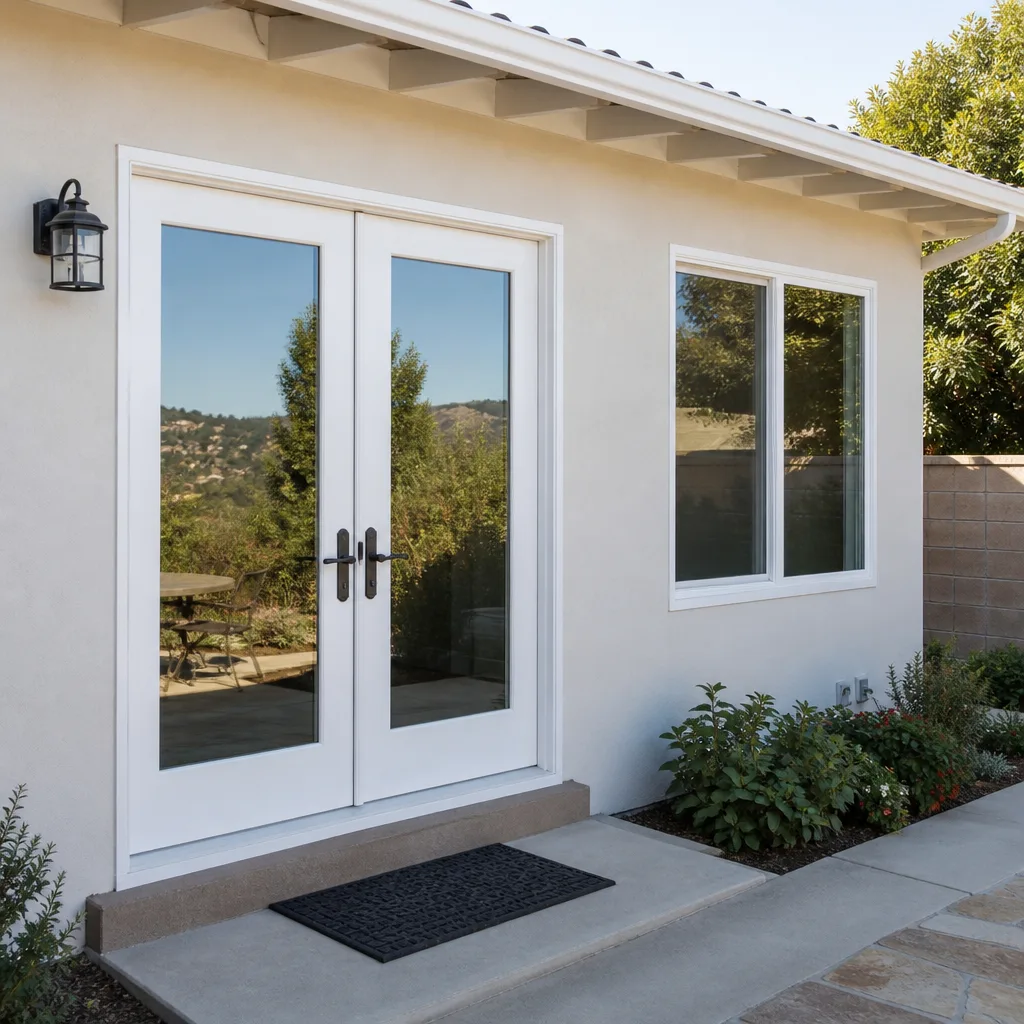 After
After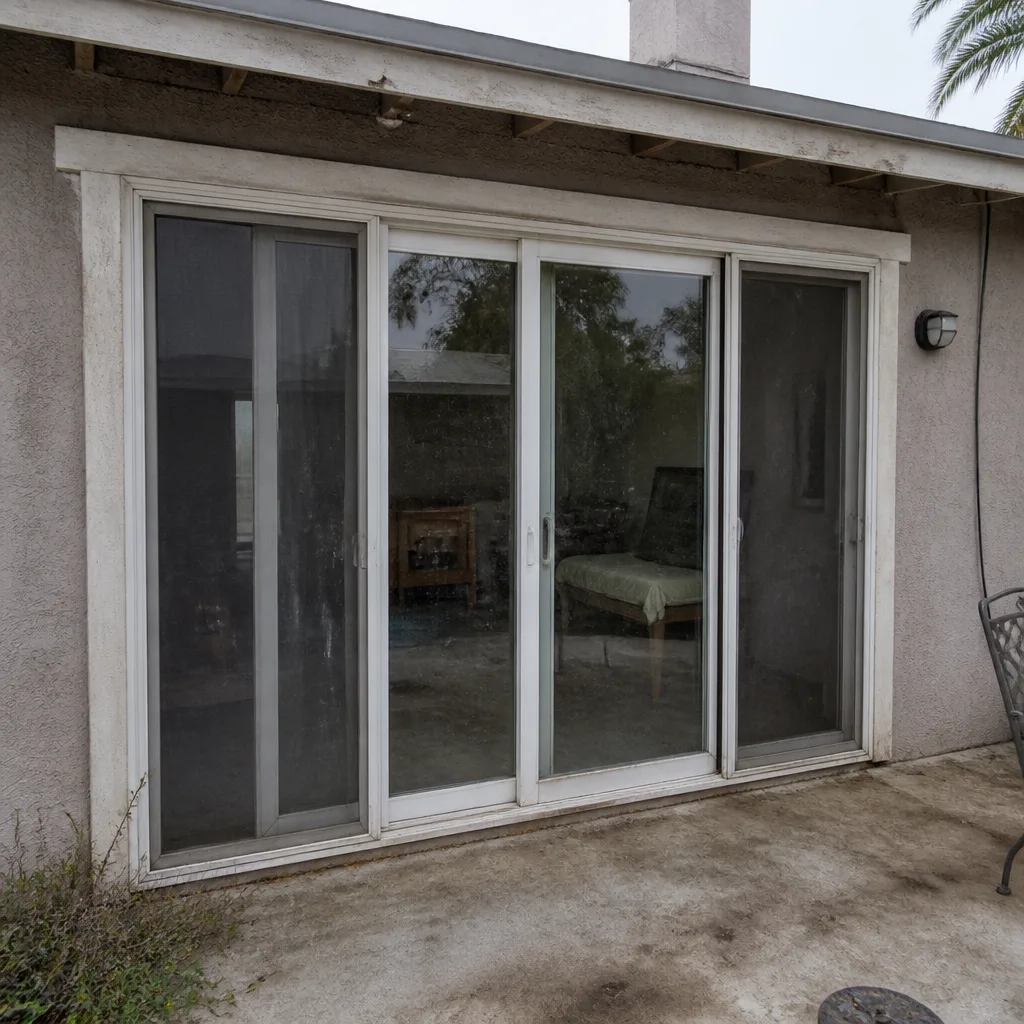 Before
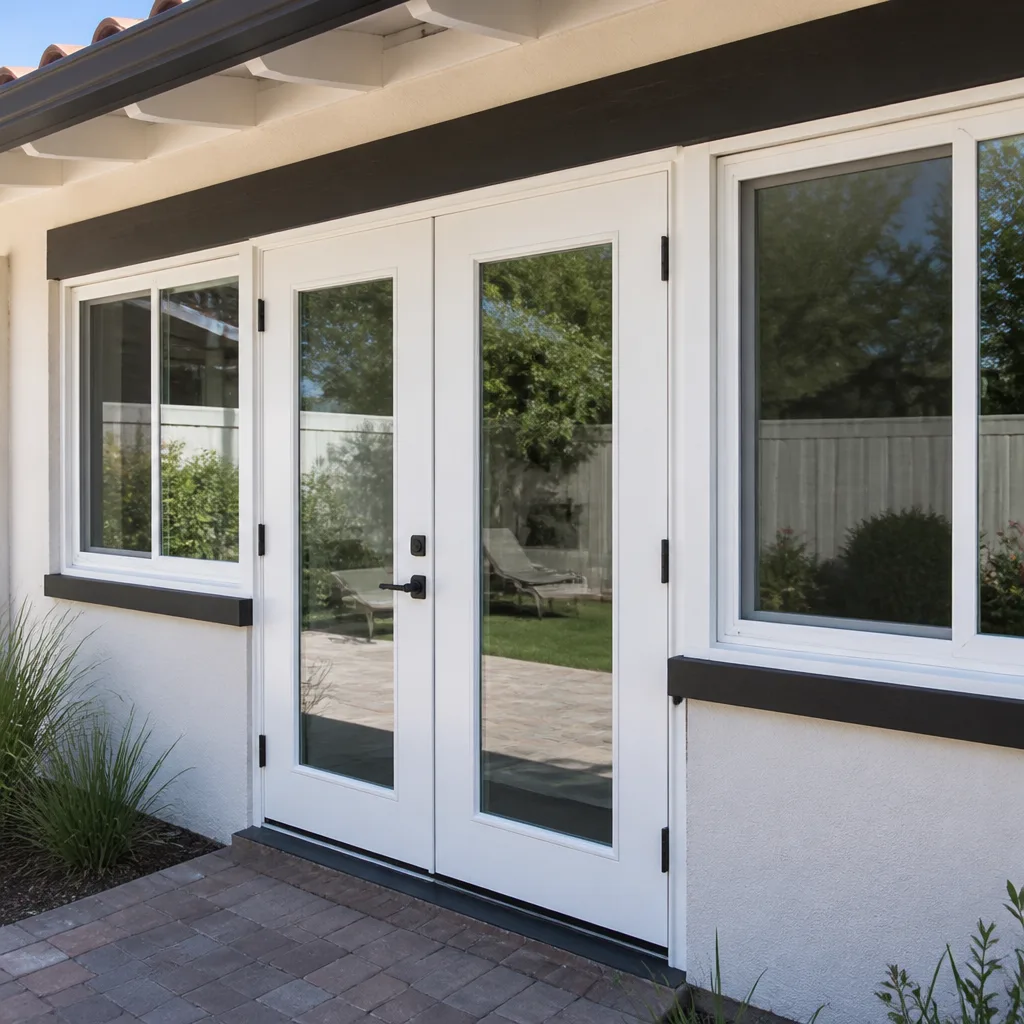 After
AfterSix Reasons Homeowners Choose Lightwell Windows Ventura
Laminated glass and reinforced frames hold up to wind-driven rain, hail and flying debris, so your openings stay sealed when the weather turns.
Low-E insulated impact glass from our manufacturer lines commonly cuts monthly cooling bills 20-30%.
Laminated impact glass shuts out up to 40% of outside noise - traffic, neighbors, weather.
Monitoring services run $30-90 a month. Laminated impact glass resists forced entry around the clock, with no subscription.
Tighter seals and insulated glass even out hot and cold rooms and stop the drafts at the frame.
A full impact package upgrades curb appeal, buyer confidence and appraised value in one project.