
Last updated October 17, 2026
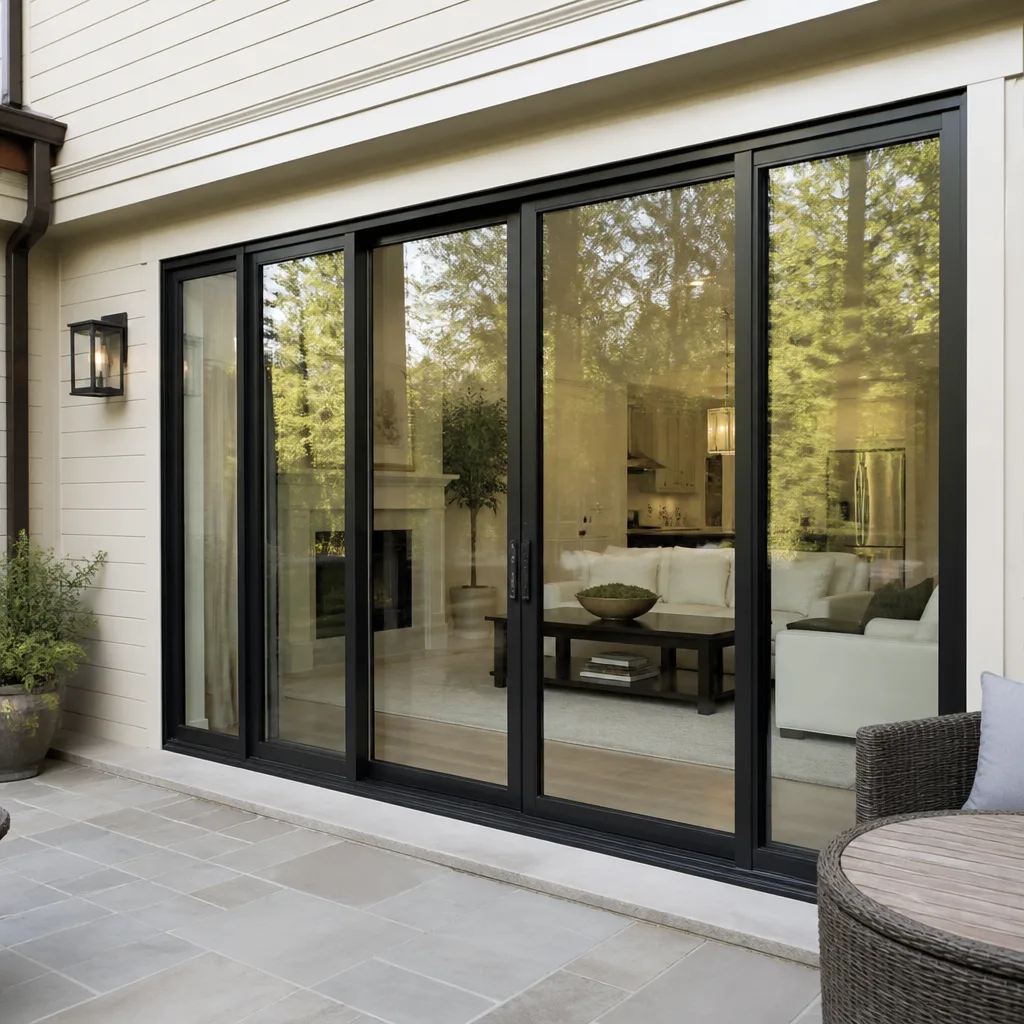 Sliding glass doors
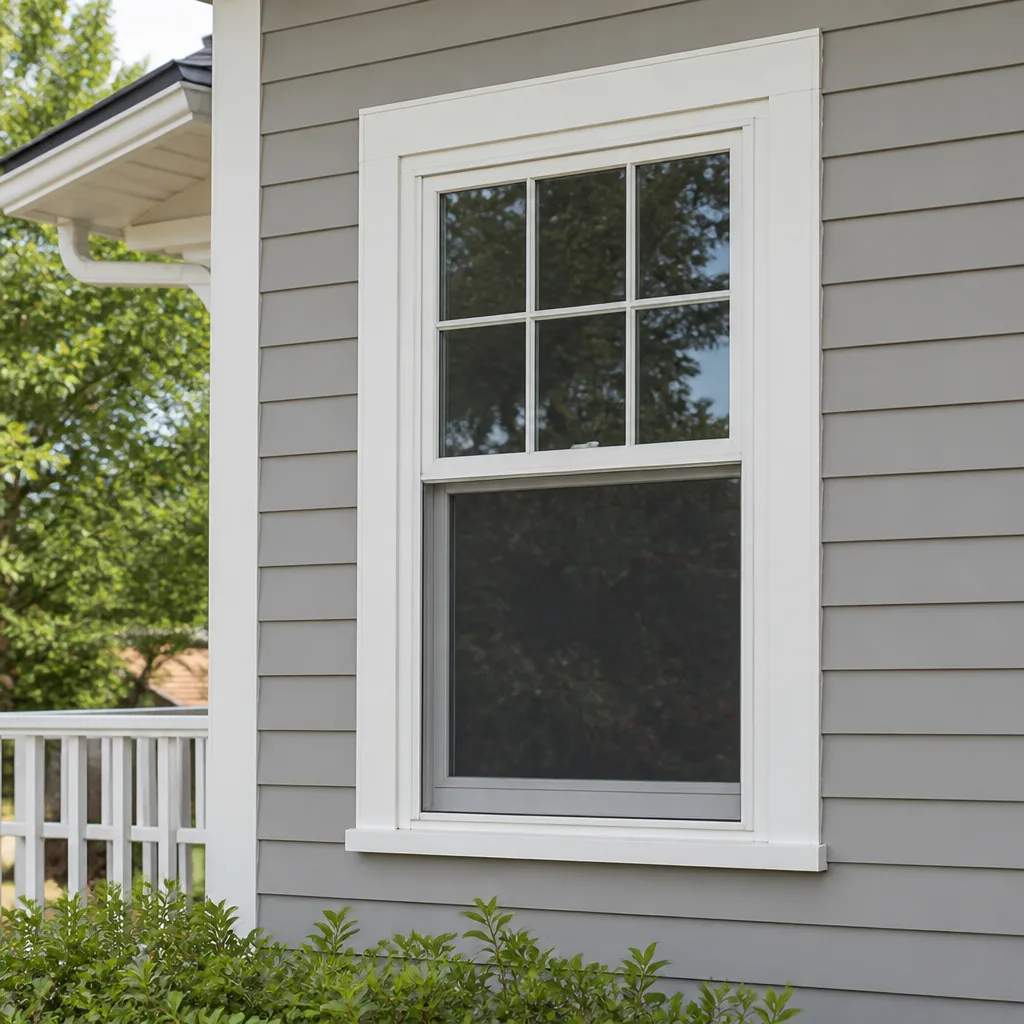 Single hung
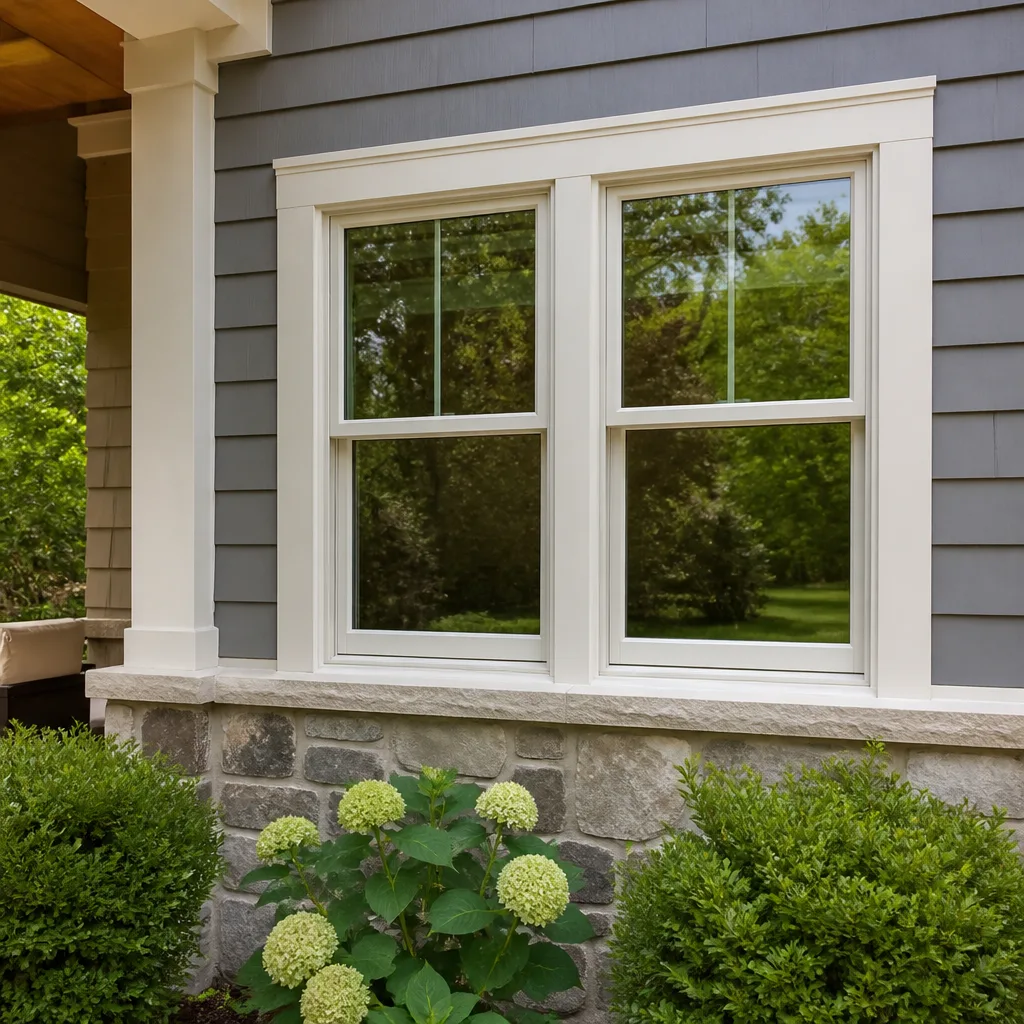 Double hung
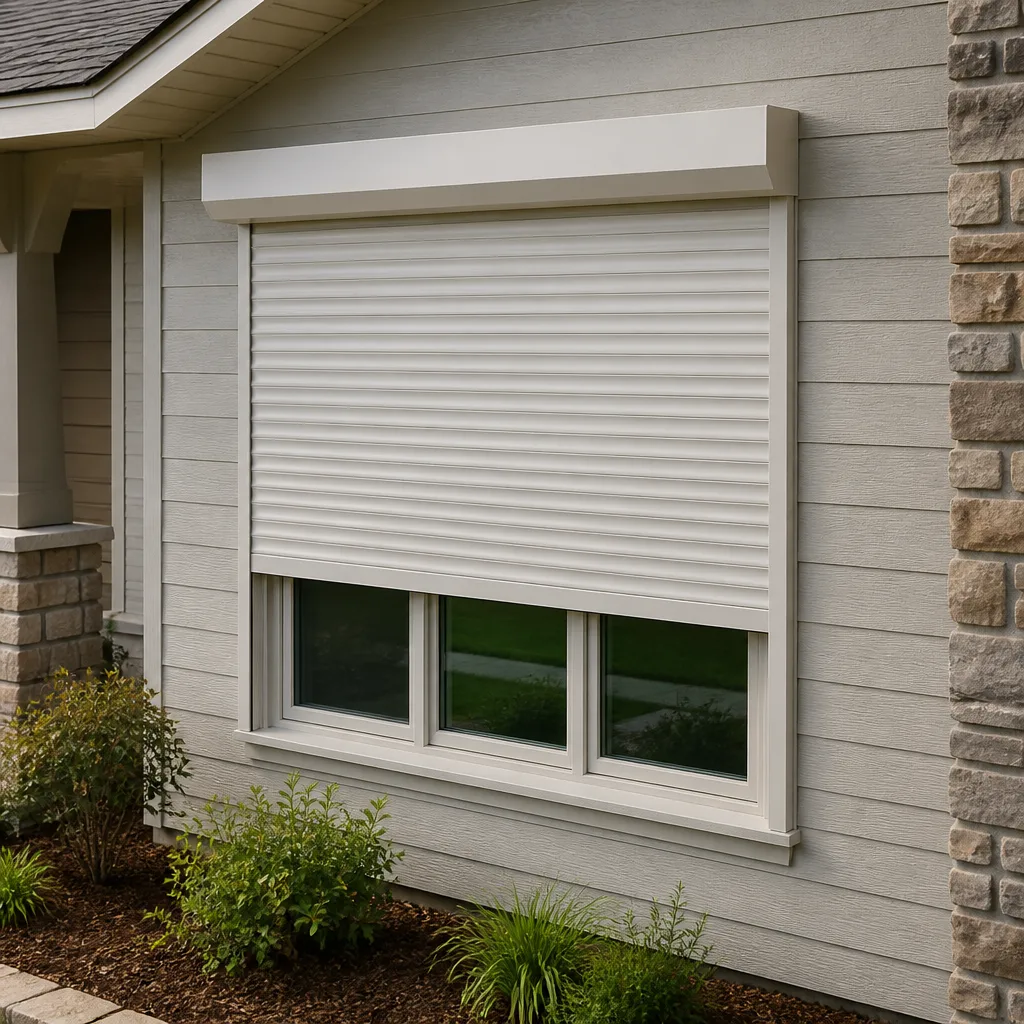 Horizontal roller
 Casement
 Bay & bow
 Entry doors
 Impact garage doors
 PGT
PGT CGI
CGIFree in-home measure and quote - PGT, CGI and CWS impact lines compared on your actual openings, style by style
Get your free estimateWindows & Doors Warning Signs: A Ventura Homeowner’s Reference Guide
Here is the counterintuitive truth we see again and again in Ventura: the window that “just felt a little drafty” last winter is the same window that, eighteen months later, has rotted the framing behind the stucco and left a family staring at a five-figure repair. The gap between a small symptom and a serious failure is measured in months, not years. And in Ventura’s marine-layer environment, with its fog cycles, salt air, and seasonal moisture, that gap closes faster than it does in drier inland climates because every ounce of humidity has somewhere to go. This guide names each warning sign precisely, explains what is actually failing inside the assembly, and tells you when a sign is a Saturday fix versus a call to a professional, as covered in our How to Hire a Windows & Doors Contractor in Ventura: A Step-by-Step Guide.
Quick Answer
Most window and door failures in Ventura announce themselves months before they become urgent through specific, recognizable signs: condensation trapped between glass panes, interior paint bubbling or peeling near the sill, doors that refuse to latch, sash frames that stick or sag, and visible daylight at frame edges. Caught early, many of these are lower-cost repairs or targeted replacements. Ignored, they progress into water intrusion, mold, and structural rot that costs three to five times more to remediate. The single most useful rule is this: any sign involving water or a door that will not secure is a same-week priority; most other signs can be scheduled within a month.
Styles & brands we work with
Table of Contents
- Why Ventura’s Climate Accelerates Window and Door Failures
- The Seven Silent Signs: What They Look Like and What They Mean
- Three Signs That Mean Stop Using That Door or Window Today
- Salt Air and Hardware: Distinguishing Coastal Corrosion From Normal Wear
- Stucco, Flashing, and Hidden Water: Reading Interior Clues for Exterior Problems
- Urgency Reference Table: When to Act
- DIY Fixes Versus Contractor Calls: A Practical Line
- What a Professional Investigation Actually Looks Like
Why Ventura’s Climate Accelerates Window and Door Failures
Ventura sits in a narrow band of California coastline where three environmental pressures meet: persistent marine-layer moisture, salt-laden air from the Pacific, and seasonal temperature swings between the foggy June mornings and the hot Santa Ana afternoons. Each pressure attacks your windows and doors through a different mechanism.
Marine-layer fog condenses on glass and metal surfaces overnight. That condensation sits at the exact junction where window sashes meet frames, where door thresholds meet side jambs, and where exterior trim meets stucco. Over repeated cycles, that moisture wicks into micro-cracks, softens wood fibers, and accelerates rust on hardware. Salt air does something similar but chemically. The airborne salt particles settle onto hinges, locks, spring balances, and aluminum cladding, where they attract and hold moisture against the metal for longer than rainfall would. And the seasonal temperature swings cause materials to expand and contract at different rates: aluminum frames move differently than glass, vinyl moves differently than wood, and caulk joints flex until they crack.
The result is that a window or door in Ventura can look fine from the curb while carrying significant hidden wear. In our experience walking through homes in the Pierpont and Midtown areas, we have found windows less than eight years old with failing seals simply because the fog cycles were so consistent on that particular elevation of the house. Understanding the mechanism behind each warning sign makes the sign itself easier to recognize.
The Seven Silent Signs: What They Look Like and What They Mean
These are the warnings that homeowners most often dismiss as “normal aging.” Each one points to a specific failure inside the window or door assembly, and each one behaves differently.
1. Condensation Between Double Panes
When you see fog or moisture trapped between the two panes of glass, the insulated glass unit (IGU) seal has failed. The desiccant inside the spacer bar, which is the material that absorbs residual moisture during manufacturing, has become saturated. Once saturated, it cannot dry out. The window still opens and closes, but its insulating value is gone. In Ventura, where nighttime marine air pushes against glass surfaces, a failed IGU is not merely cosmetic; it is a thermal hole in the building envelope. Depending on the window brand and age, the IGU may be replaceable without replacing the full frame. We see this most often on west-facing and south-facing elevations where all-day sun heats the glass and stresses the edge seal.
2. Interior Paint Peeling, Bubbling, or Discoloring at the Sill
Paint failure at the interior sill, especially in a patch that reappears after repainting, almost always signals moisture moving through the window assembly. The moisture may be condensation running down the glass and pooling at the sill, or it may be exterior water finding a path through failed flashing. The location tells you which. If the peeling is spread evenly across the sill, think condensation. If it concentrates in one corner or along one edge, think exterior intrusion. Either way, the paint is acting as an early-warning sensor. Peeling paint on an interior sill is one of the quietest, most reliable indicators that a window assembly is not managing water correctly.
3. A Door That Will Not Latch (or Latches Only With a Shoulder Bump)
An entry door that no longer latches cleanly is telling you something about the frame, not just the strike plate. Wood doors expand with seasonal moisture uptake. Foundation settling, even minor movement common in some Ventura hillside neighborhoods, can rack a door frame out of square. The door itself may be fine, but if the frame has moved or the door has warped, the security of that opening is compromised. A door that will not latch is a door that will not secure. Beyond the frustration, it is a real security concern and a sign that the frame-to-wall connection may need attention.
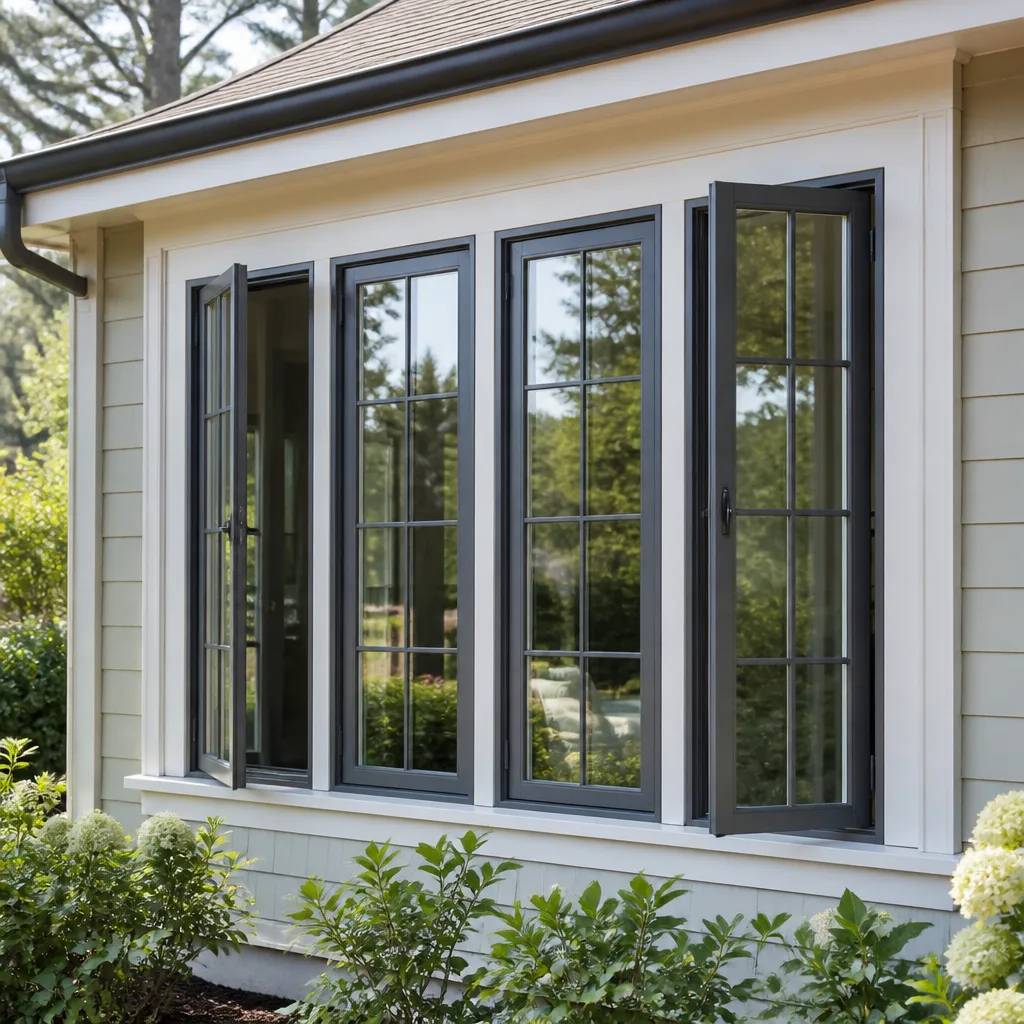
4. Casement or Awning Windows That Stick Mid-Operation
A casement window operates on a crank mechanism connected to a hinge system. When the sash begins to stick, bind, or scrape against the frame during operation, one of three things is happening: the hinge hardware is corroding and losing smooth travel, the sash has become misaligned due to wear or settling, or the frame itself has warped. In coastal Ventura, hinge corrosion is the most common culprit because the operating hardware sits in direct contact with the marine environment. A sticking casement is not just annoying; it puts additional stress on the crank gears, which can strip and leave the window stuck open or stuck shut.
5. Visible Daylight at the Frame Edge
Stand inside the house on a bright day with the lights off and look at the perimeter of each window and door. If you can see light leaking at the edge where the sash meets the frame, or where the frame meets the wall, the weatherstripping or the exterior seal has failed. Light leaks and air leaks are the same hole in different forms. In Ventura’s marine layer, that air leak is also a moisture vector. Smoke from nearby wildfires will also follow that same path, so a light leak is also a signal that the home is not sealing out particulate matter.
6. Sash That Sags or Drops When Opened
A double-hung or single-hung window that starts to slide down on its own, or that feels heavy and drops with a thud, has a failing balance system. Older windows use spring balances or weight-and-pulley systems; newer ones use constant-force coil balances or block-and-tackle systems. When the balance wears out, the sash’s full weight is no longer counterbalanced. The user compensates by pushing harder or holding the sash up, which accelerates wear on the frame and weatherstripping. A sagging sash is a repairable condition in many cases, but it should not be ignored because the additional stress accelerates wear on other components.
7. Exterior Trim Separating From the Wall or Frame
Walk around the exterior of the house and look at the caulk joints where window and door trim meets stucco or siding. Caulk that has pulled away, cracked, or shrunk creates an entry path for water. In Ventura’s stucco-heavy housing stock, that small crack is often the first visible sign of a much larger hidden issue, because stucco can hide water intrusion behind its surface for months or years. A separated trim joint is a low-cost immediate fix if caught early, but a structural problem if left through one wet season.
If you are in the beginning stages of figuring out whether to repair or replace, take a look at our detailed breakdown of Window Replacement in Ventura for cost ranges and the decision path we recommend to local homeowners.
Three Signs That Mean Stop Using That Door or Window Today
Most warning signs allow you to keep using the window or door while you schedule a visit. There are three exceptions. These are the ones where continued use creates a safety hazard or accelerates the damage.
- A door that will not fully close or lock. This is a security issue first and a weather-sealing issue second. If the deadbolt will not engage, the home is not secure. Stop using that door as the primary entry and call a professional. In a home with children or pets, a door that swings open unexpectedly is also a boundary failure: it no longer reliably keeps anyone in or out.
- A window that has dropped hard and now will not raise, or that is stuck open. A double-hung window with a failed balance can slam shut without warning. The force of a full sash dropping is enough to break fingers, particularly for a child. If the window is stuck open, it is letting in everything: marine moisture, pests, and in wildfire season, embers and smoke. This is a same-week replacement or repair.
- Any visible mold growth on an interior frame, sill, or adjacent drywall. Visible mold means the moisture problem has been active long enough to support spore growth. The mold itself is a health concern, especially in homes with children, and the underlying moisture is still moving. Stop using that window area, do not disturb the mold, and call a professional who can isolate the water path before remediation.
If you are seeing any of these three, the priority is to get a professional assessment quickly. This is the moment to call Lightwell Windows Ventura home at (559) 257-2350 and describe exactly what you are seeing; someone on the other end of that line will tell you whether it sounds urgent or whether it can wait a few weeks.
Salt Air and Hardware: Distinguishing Coastal Corrosion From Normal Wear
One of the most common questions we hear from Ventura homeowners is some version of: “Is this rust on my window hardware normal, or is the salt air eating it?” The answer depends on where the corrosion appears and what it looks like.
Surface discoloration on metal hardware, a dulling of the finish, or light pitting on exposed surfaces is normal coastal wear. It affects aesthetics more than function. Deeper corrosion that eats into the metal, produces flaking, or causes the mechanism to bind is structural. Here is how to distinguish the two on the three most vulnerable hardware components:
- Hinge pins. Open the door or window and look at the pin itself. Polish-like discoloration is cosmetic. Pitting, rough texture, or a pin that no longer slides smoothly in the barrel is functional corrosion. Test the operation: if the door swings with a grinding feel, the hinge has begun to degrade structurally.
- Lock mechanisms. Try the lock slowly. A healthy lock moves with clean detents; a corroding lock feels gritty, sticks midway, or requires jiggling. Interior locks on doors with little exposure should not corrode at all. If an interior lock is sticking, the cause is more likely alignment or house settling than salt air.
- Sash balances. On double-hung windows, the balance system is usually hidden inside the frame, which shelters it somewhat. But on coastal homes within a mile or so of the water, salt deposits can accumulate inside the frame channels. The symptom is a window that moves unevenly or catches at the same point every time. That catching point is often a corrosion node on the balance spring.
Homes closer to the water in the Pierpont Beach and Marina Park areas will show hardware wear faster than homes in the east Ventura hills, where the marine layer burns off earlier and salt deposition is lighter. If you are replacing hardware on a coastal window, choose stainless or marine-grade coated hardware. And if you are replacing the window entirely, Window Installation in Ventura is where we walk through what hardware and frame material choices hold up best in different parts of the city.
Stucco, Flashing, and Hidden Water: Reading Interior Clues for Exterior Problems
Ventura’s housing stock is dominated by stucco exteriors, particularly in the neighborhoods built from the 1960s through the 1990s. Stucco is a wonderful cladding for this climate, but it has one characteristic that complicates window and door diagnostics: it hides what is happening behind it. A flashing failure at the window head can run water behind the stucco plane for years before any exterior sign appears. By the time the stucco shows a crack, a stain, or efflorescence, the framing behind it has been wet through many cycles.
The good news is that water intrusion through window and door flashing leaves interior signatures. Here are the four interior signs that indicate an exterior flashing failure rather than a simple seal leak:
- Baseboard discoloration or buckling below a window wall. When water enters at the window head and travels down inside the wall, it pools at the bottom plate, which is exactly where the baseboard sits. Discoloration that appears low on the wall, far from the window itself, points to water traveling down from above.
- Drywall soft spots that form a vertical line below a window corner. Trace a soft spot with your finger. If the weakness follows a downward path from one corner of the window toward the floor, that is the path of water running down the inside of the wall.
- Paint bubbling on a ceiling near an exterior wall that has a window or door above it on the second story. Second-story windows are more exposed to wind-driven rain in Ventura than first-story windows, and their flashing failures show up on the ceiling below.
- A persistent musty smell in one room that does not resolve with cleaning. Odor is a legitimate diagnostic tool. It indicates moisture has been present long enough to support microbial growth somewhere in the wall cavity, even if the visible surfaces look fine.
If you are seeing any of these, the water path needs to be traced before any cosmetic repair is attempted. Re-caulking the exterior is not enough; the flashing itself must be examined. This is also a moment to consider whether the existing window frame has a drainage system built into it. Some vinyl and aluminum frames from the 1980s and 1990s present in Ventura homes lack an integrated drainage plane, and in a marine-layer climate, that absence is a slow-motion leak waiting to express itself.
Urgency Reference Table: When to Act
To keep the decision simple, we organize the warning signs by their urgency. Same-week issues are the ones that present an active security, safety, or water-intrusion risk. Within-30-days issues are progressing in the background and should be scheduled before the next seasonal shift. Next-seasonal-check issues are ones to note and monitor, but they do not threaten the home in the short term.
Same Week
- Door that will not latch or lock
- Window stuck open or sash that drops hard
- Visible mold on any interior window or door surface
- Interior drywall soft spots or baseboard buckling indicating active water travel
Within 30 Days
- Condensation between panes (seal failure progressing)
- Interior sill paint bubbling or peeling in a concentrated pattern
- Visible daylight at frame edges
- Exterior caulk or trim separation at the window or door perimeter
- Casement crank binding or sticking
Next Seasonal Check
- Cosmetic surface rust on hardware
- Slow-opening double hung with slightly sagging sash but no drop
- Faded or worn weatherstripping that is still sealing
- Minor trim paint issues not associated with moisture
The reason this table matters is that most Ventura homeowners are not making window and door decisions under emergency conditions. They are noticing small signs during ordinary days: opening a window for the sea breeze and feeling it catch, closing a door and noticing the latch does not quite seat. Sorting those small signs into urgency categories lets you plan instead of react.
DIY Fixes Versus Contractor Calls: A Practical Line
There is a small set of window and door maintenance tasks that a careful homeowner can handle with basic tools and no specialized training. There is a much larger set that requires a professional, a distinction we explore fully in our DIY vs Professional Windows & Doors: The Ventura Homeowner’s Decision Guide. Drawing that line clearly saves you from expensive mistakes in both directions: paying someone for a five-minute fix, or attempting a two-hour repair that turns into a three-day structural project.
Reasonable DIY fixes: Replacing worn exterior caulk at trim joints, lubricating a sticking latch that is mechanically sound, tightening loose hinge screws, cleaning and lubricating sliding window tracks, and replacing simple weatherstripping on a door that is otherwise square and operating cleanly. These are wear items. They require no structural knowledge, and a mistake is visible and easily corrected.
Contractor territory: Replacing an insulated glass unit, evaluating or repairing flashing, straightening or re-hanging a door that is out of square, repairing or replacing a sash balance system, replacing a window frame that shows any sign of rot or water damage, and anything involving high-tension spring hardware on older windows. The spring tension in some window balance systems is significant enough to cause serious injury if released incorrectly. If you are not certain about the mechanism you are opening, leave it closed and call someone who is.
For door replacement decisions, including when a door can be salvaged versus when the frame needs to be pulled, our Door Installation in Ventura guide walks through the distinctions in detail.
What a Professional Investigation Actually Looks Like
When you call a professional to look at a window or door concern, you should expect more than a person pointing at the problem and quoting a number. A real assessment involves a sequence of checks. Here is what we do for a Ventura home, in order, so you know what questions to ask of any contractor:
- Perimeter inspection from the exterior. We walk the outside and examine the caulk joints, trim-to-stucco transitions, and flashing at the head of every window and door on that elevation. This identifies the water path, if one exists.
- Interior air-infiltration check. On a bright day, with lights off, we inspect every frame edge for light penetration. We also feel with the back of the hand for air movement, which often detects drafts that light does not reveal.
- Operational testing. Every sash, crank, lock, and hinge gets a full open-and-close cycle. We are listening for grinding, binding, and uneven travel.
- Moisture and soft-spot probing. Where paint or drywall shows signs of moisture, we probe gently with a moisture meter at the suspected intrusion points. On wood frames, a soft probe near the sill tells us whether rot is present before any finish is disturbed.
- Glass seal evaluation. For double-pane units, we look for condensation, mineral deposits on the interior glass surface, or a visible shift in the spacer bar, all of which indicate seal failure.
- Written findings and a written price. The assessment ends with a documented list of what we found, what we recommend, and what it costs, before any work starts.
That last step is the one that separates a careful contractor from a careless one. It is also the one that determines whether you as the homeowner are making an informed decision or just reacting to a quote. If someone will not put it in writing before work begins, keep looking.
Common Mistakes to Avoid
- Treating window condensation between panes as a cleaning issue. No amount of glass cleaner resolves a failed IGU seal. The fog is inside the sealed unit and will return every time the temperature changes. Delay means years of lost insulating value in a home that already works against marine-layer temperature swings.
- Repainting over bubbling interior sill paint without investigating the moisture source. The paint will fail again in the same spot. The new coat simply hides the moisture signature that was telling you exactly where the problem lives.
- Assuming a sticking door is always settling and never warping. Settlement causes a consistent, unchanging misalignment. Warping changes with humidity: the door latches fine in dry months and sticks during the foggy season. Watch for the pattern.
- Replacing the handle or lock on a door without checking the frame alignment. If the frame is out of square, a new lock is a bandage. The door still will not seat properly, and the new hardware will wear faster under the same misalignment forces.
- Using interior caulk on exterior window joints. Interior caulk is not formulated for UV exposure, salt air, or the expansion cycles of exterior stucco. It fails quickly, and the water path reopens.
- Waiting until a window is visibly dripping water before taking action. The signs we described above, peeling sill paint, baseboard discoloration, persistent mustiness, are the early warnings. By the time water is visibly running, the wall cavity has been wet for a long time.
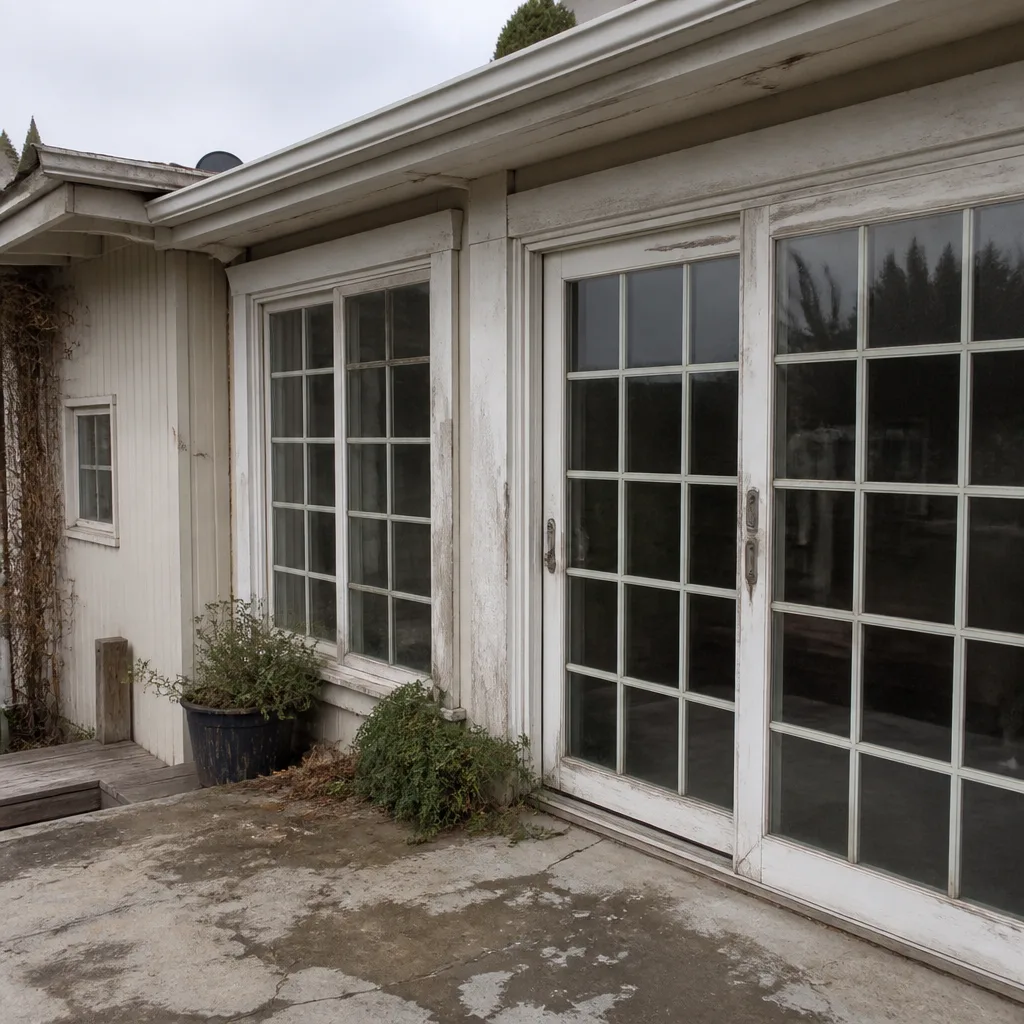
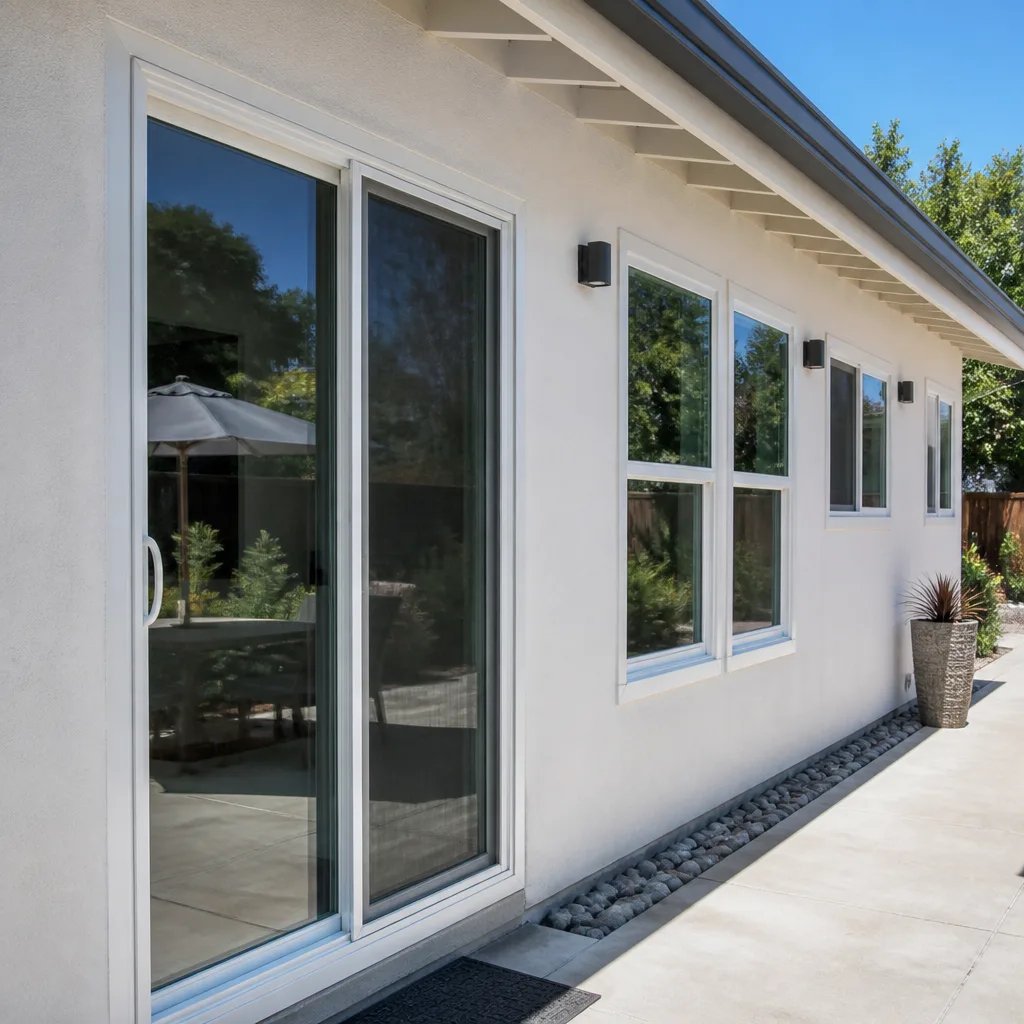
See the difference
 Before
 After
After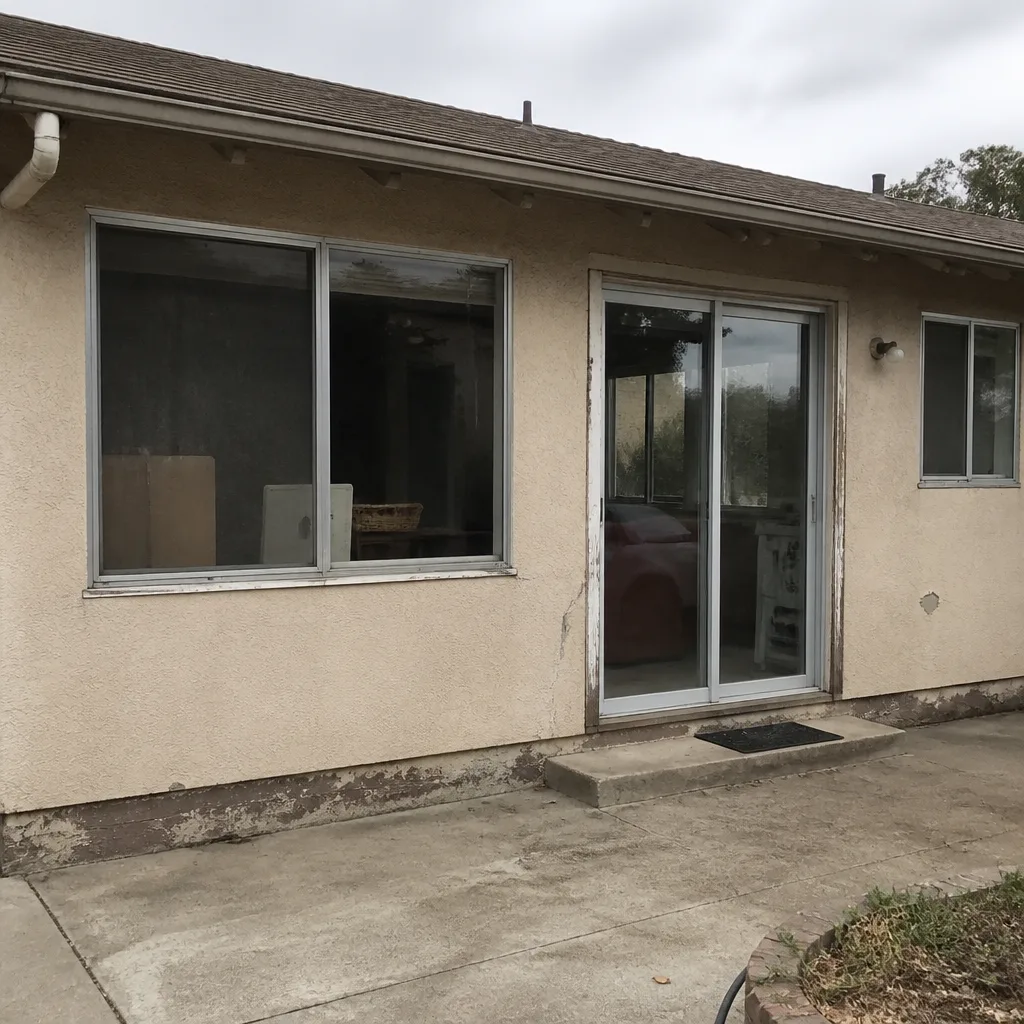 Before
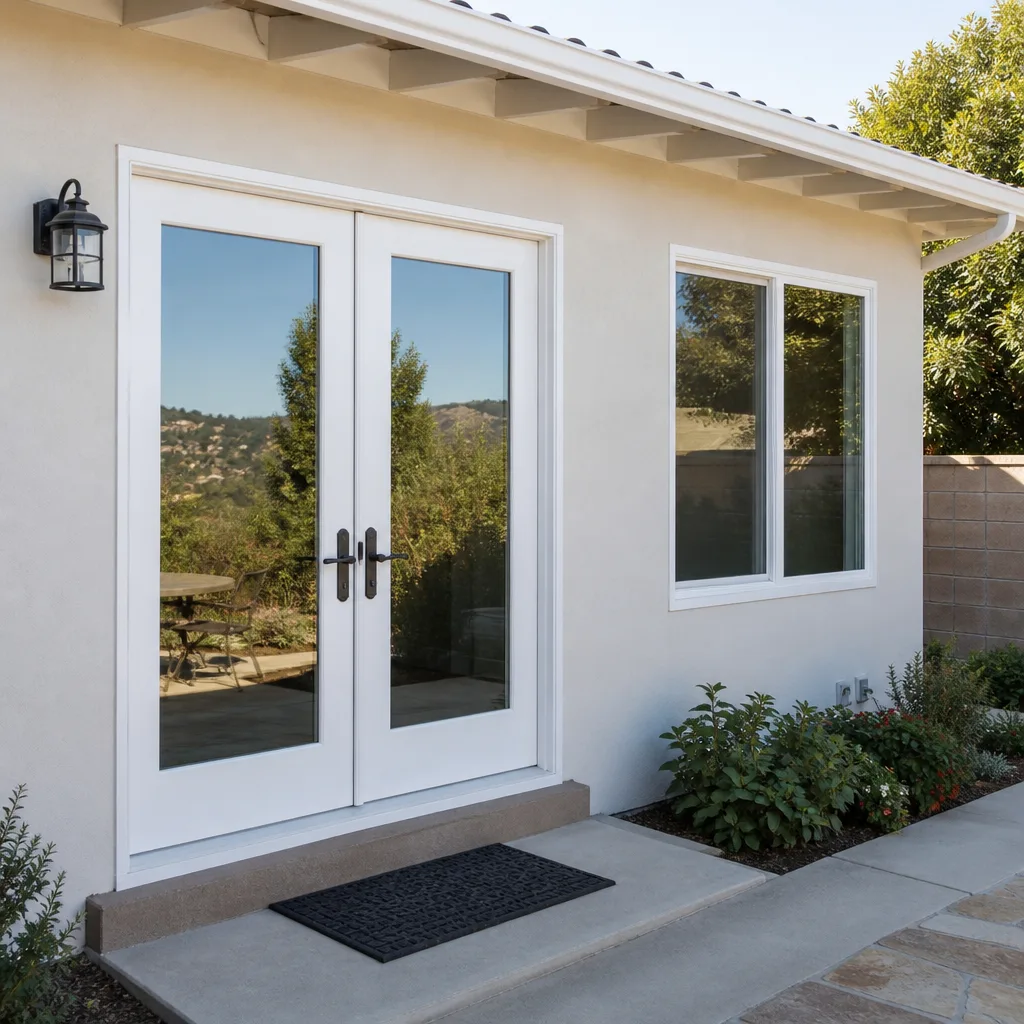 After
After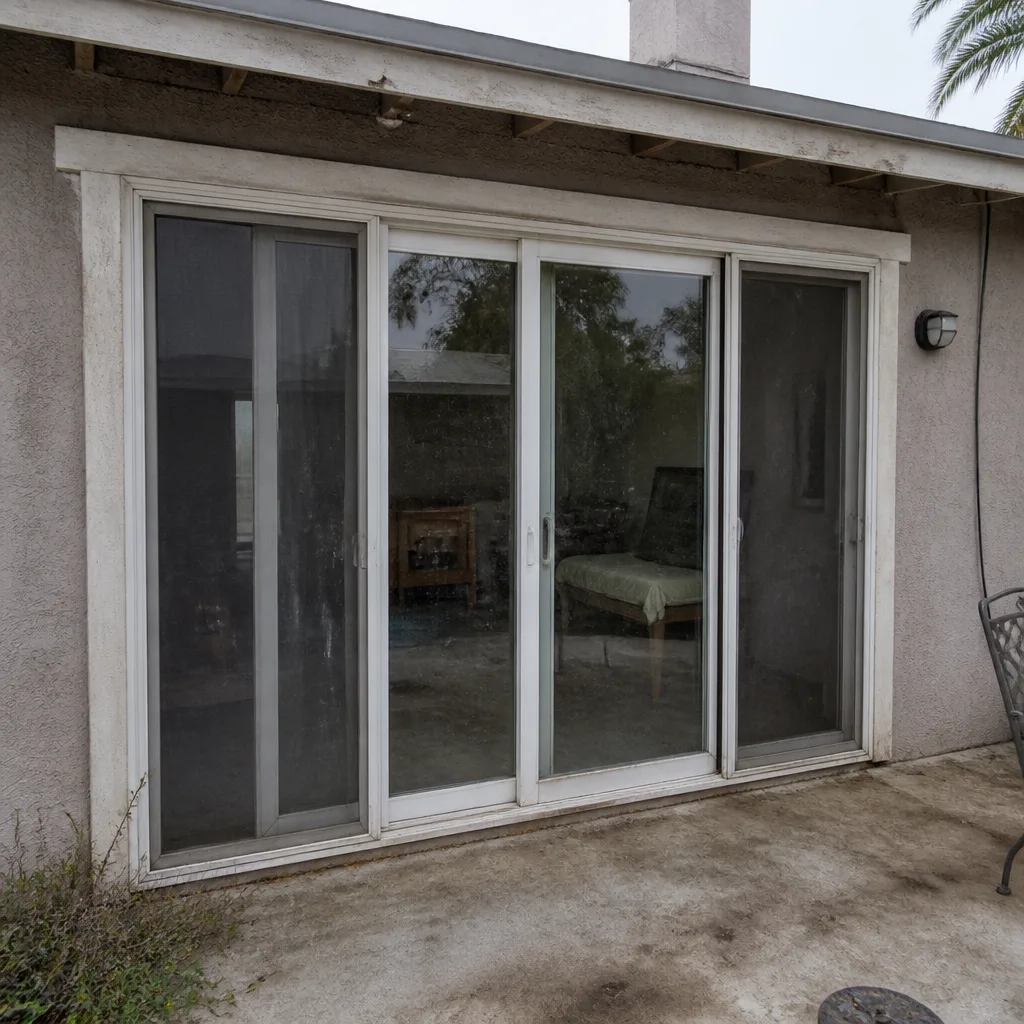 Before
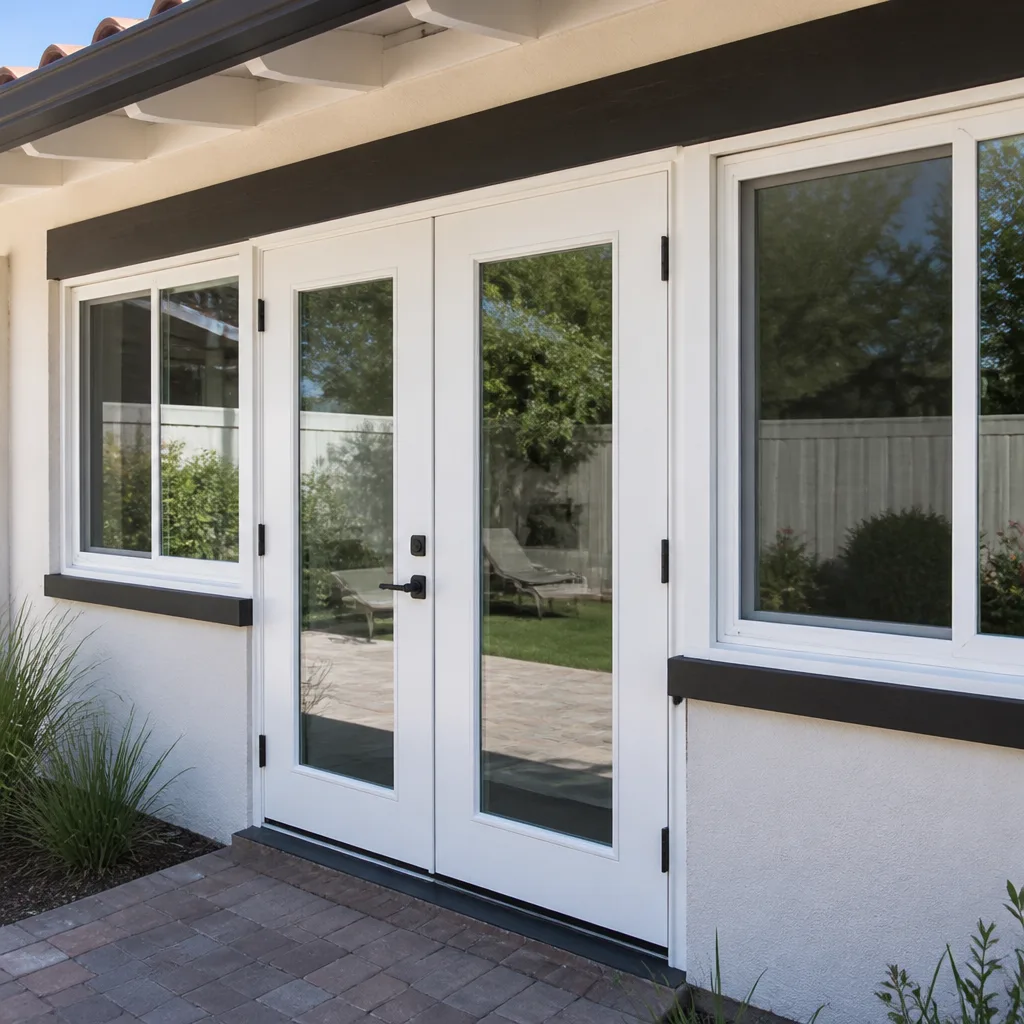 After
AfterWhen to Call a Professional
You should call a professional when you see any same-week sign: a door that will not lock, a window stuck open or dropping hard, visible mold, or interior drywall soft spots indicating active water travel. You should also call when a within-30-days sign has persisted through two seasons, when you cannot determine whether the cause is cosmetic or structural, or when any window or door is over 20 years old and showing multiple signs at once. Old assemblies rarely fail one component at a time; they fail in clusters. Lightwell Windows Ventura offers free estimates to Ventura homeowners, with a written price before any work starts, so you know what the fix costs before you commit to it. Call (559) 257-2350 to schedule an assessment.
Frequently Asked Questions
Drafty window repairs in Ventura typically run between $80 and $350 per window when the fix is weatherstripping, caulking, or a simple balance adjustment. If the draft is caused by a failed insulated glass unit or frame damage, the cost climbs to $350 to $900 per window, and full replacement falls between $700 and $1,800 per opening depending on the brand and frame material. The written estimate you receive should spell out exactly which of those situations you are in. Call (559) 257-2350 for an exact quote; estimates are free.
No. At Lightwell Windows Ventura, the price you approve before the work begins is the price you pay when the crew leaves. If we find additional issues behind the wall during the job, we stop work and bring you a written change order for approval before proceeding. That is the standing operating rule, not a courtesy.
Yes. When the scope of work in Ventura requires a permit, we handle the permit application, the inspections, and the documentation. The homeowner never needs to navigate the Ventura building department process alone. Every inspection is passed before the job is considered complete.
For most single-opening window replacements, the on-site work takes one day. Multi-window projects typically run two to five days depending on the number of openings, the frame condition, and whether any stucco repair is needed around the new windows. We protect floors and furniture with drop cloths on every visit, and we leave the site clean before we go.
In Ventura’s coastal zones, particularly homes within a mile of the water, we recommend marine-grade hardware, frames with integrated drainage planes, and, where the budget allows, impact-rated glass from manufacturers like PGT or CGI for the added protection against wind-driven debris and salt exposure. Homes further inland can use a broader range of products including ViewLux and Therma-Tru doors, where the primary concern shifts from salt load to thermal performance and noise reduction.
Window warranties vary widely by manufacturer and by the original installation. The failure of a glass seal is sometimes covered by the glass manufacturer for up to 20 years, while frame and hardware warranties run shorter. The installation workmanship, the flashing, the caulking, the fitment into the opening, is separate and is only as good as the installer’s own warranty. We can review your existing windows and tell you honestly whether a warranty claim is worth pursuing before you pay for a repair.
The Bottom Line
Your windows and doors speak clearly, but only if you know what to listen for. Condensation between panes, peeling sill paint, a latch that will not seat, a sash that sags, daylight at the frame edge: each sign maps to a specific failure and a specific timeline. In Ventura’s marine-layer climate, the timeline is shorter than in drier cities, so the discipline of checking is worth more. Sort the signs by urgency, fix the same-week issues immediately, schedule the within-30-days issues before the next season, and note the rest. A light well is what brings daylight deep into a building; a well-installed window should do the same for your home without letting the weather in behind it. If you are unsure where a sign falls on the urgency table, see our The Complete Guide to Windows & Doors in Ventura or call Lightwell Windows Ventura at (559) 257-2350 and describe it. A real person answers, any hour, and we will tell you straight whether it needs attention now or can wait.
Written by Keith Yamada, Owner at Lightwell Windows Ventura, serving Ventura since 2010.
Six Reasons Homeowners Choose Lightwell Windows Ventura
Laminated glass and reinforced frames hold up to wind-driven rain, hail and flying debris, so your openings stay sealed when the weather turns.
Low-E insulated impact glass from our manufacturer lines commonly cuts monthly cooling bills 20-30%.
Laminated impact glass shuts out up to 40% of outside noise - traffic, neighbors, weather.
Monitoring services run $30-90 a month. Laminated impact glass resists forced entry around the clock, with no subscription.
Tighter seals and insulated glass even out hot and cold rooms and stop the drafts at the frame.
A full impact package upgrades curb appeal, buyer confidence and appraised value in one project.